

The Wilder Institute supports the restoration of one of Canada’s rarest ecosystems – Newfoundland’s Limestone Barrens – and the endangered plant species that depend on it. We collaborate with researchers, the recovery team, and local communities to conserve this unique landscape.

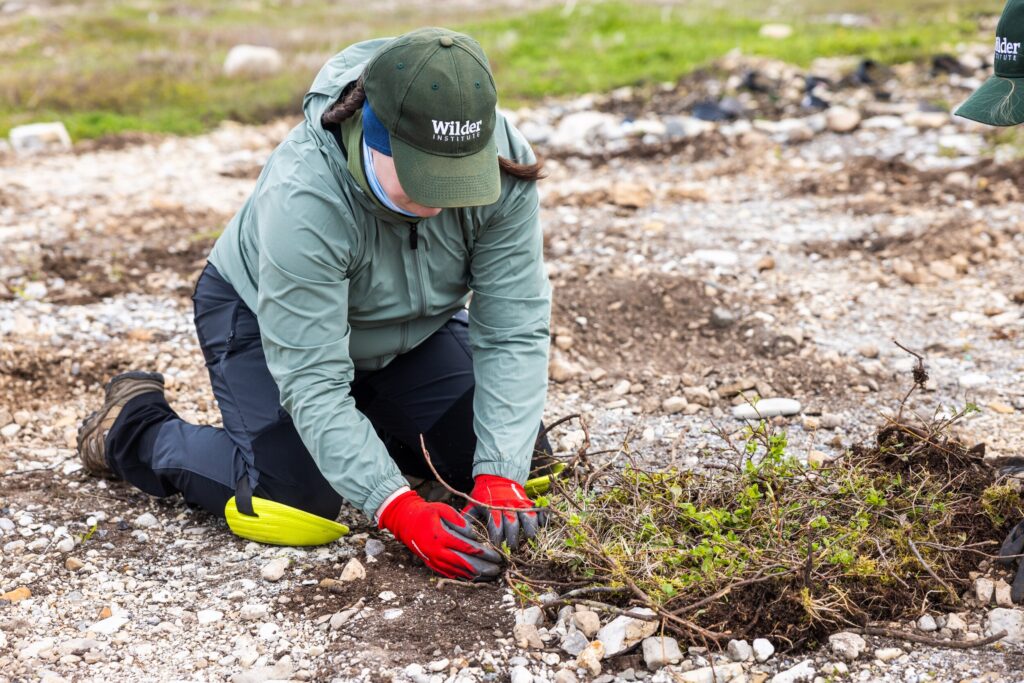
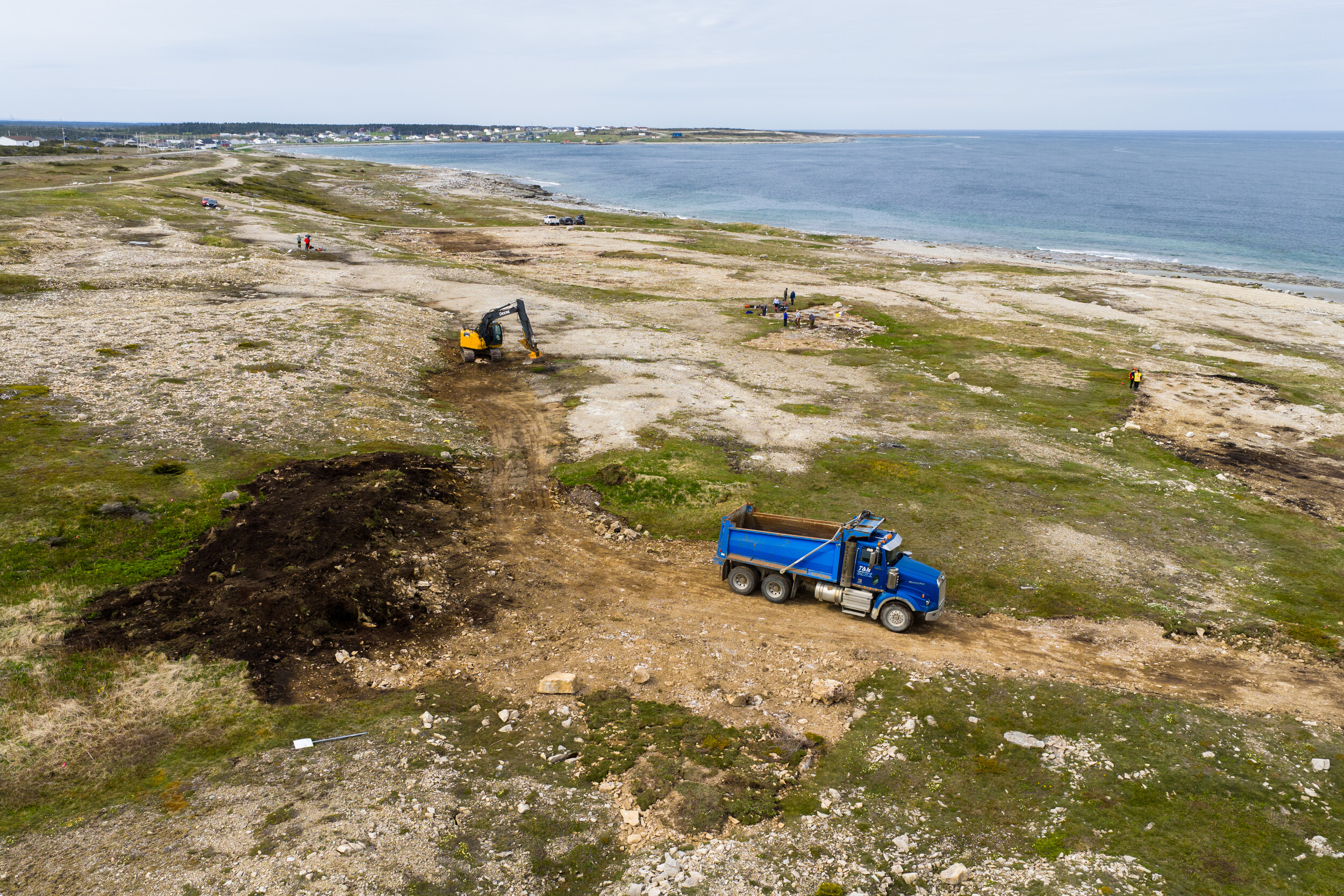
The Wilder Institute, in collaboration with Memorial University of Newfoundland, the Limestone Barrens Species at Risk Recovery Team and other key collaborators, supports habitat restoration at a damaged limestone barrens site and research to guide the successful reintroduction of this ecosystem’s endangered arctic-alpine plant species. In 2024 and 2025, our work focused on site preparation and landscape reshaping a former quarry site for native plant reintroduction. In 2026, we will be planting seeds of native species to re-establish the plant community at the newly restored site with our partners.
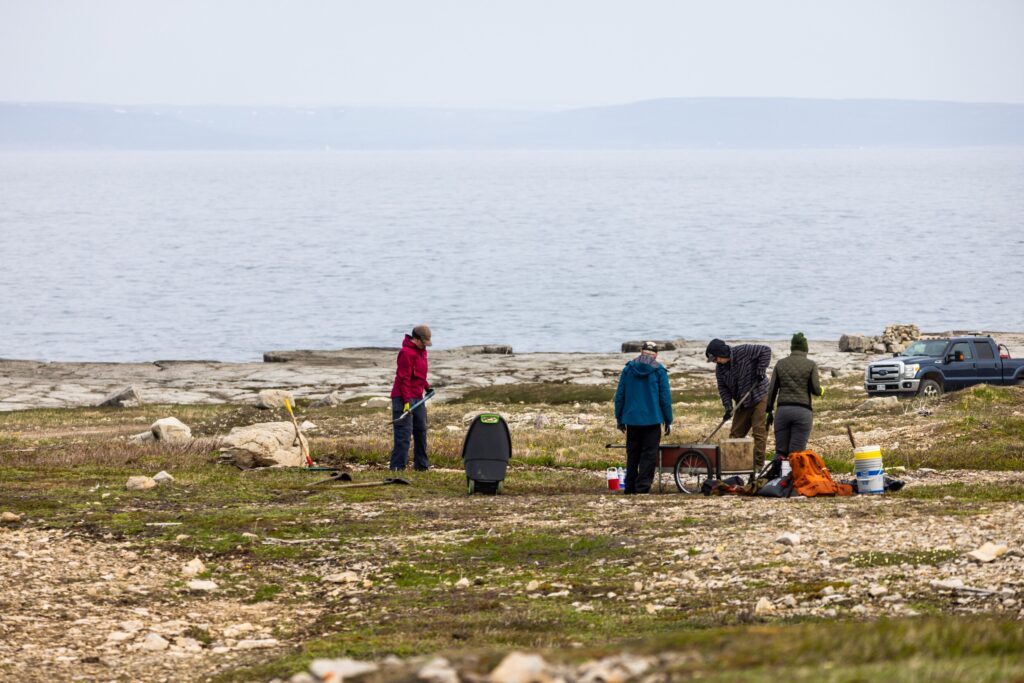
The program is focused on the Limestone Barrens of Newfoundland’s Great Northern Peninsula. The Limestone Landscapes Priority Place initiative has supported a collaborative network that has been foundational to our program and involvement in habitat and species recovery in Newfoundland.
This program’s goal is to restore damaged limestone barrens habitat, reintroduce endangered native plant species, and support community partnerships needed for long-term conservation in this region. Beyond protecting endangered plant species, the program contributes to the ecological integrity and climate resilience of a landscape that holds deep value for local communities.

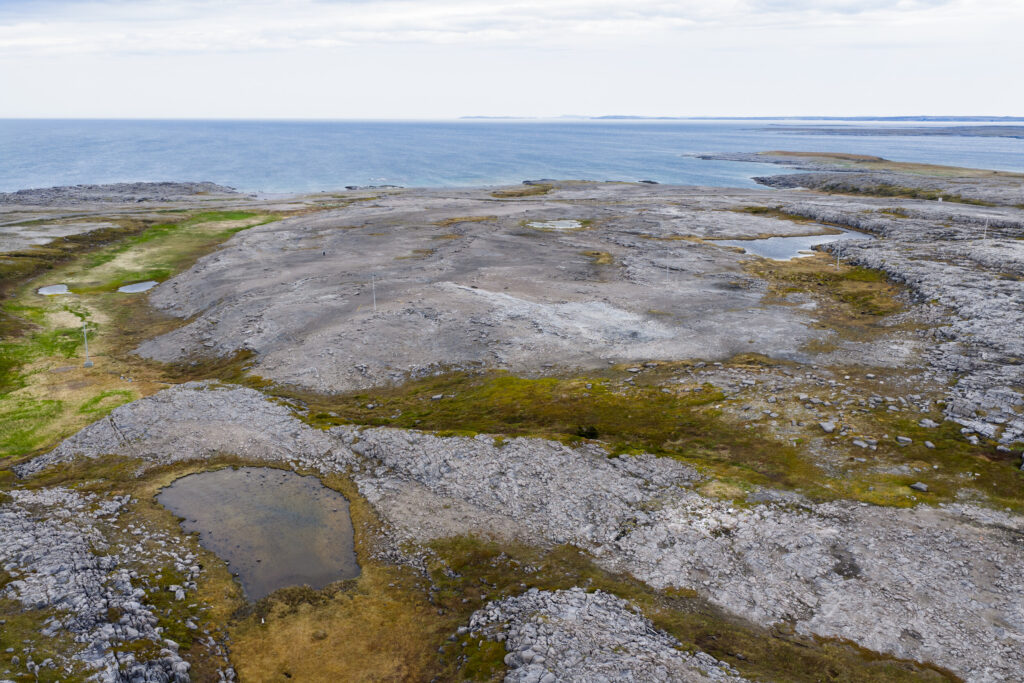
Newfoundland’s Limestone Barrens cover less than one percent of the island and have been significantly degraded by quarrying, construction, and other human development. Offroad vehicle use, invasive insects, fungal pathogens, and climate change continue to threaten the frost-shaped, calcium-rich habitat that three endangered plant species depend on: the Long’s Braya (Braya longii), Fernald’s Braya (Braya fernaldii), and Barrens Willow (Salix jejuna).
Fernald’s Braya has 16 known populations spanning approximately 150 kilometres of coastline along Newfoundland’s Great Northern Peninsula. This area represents its entire global range.
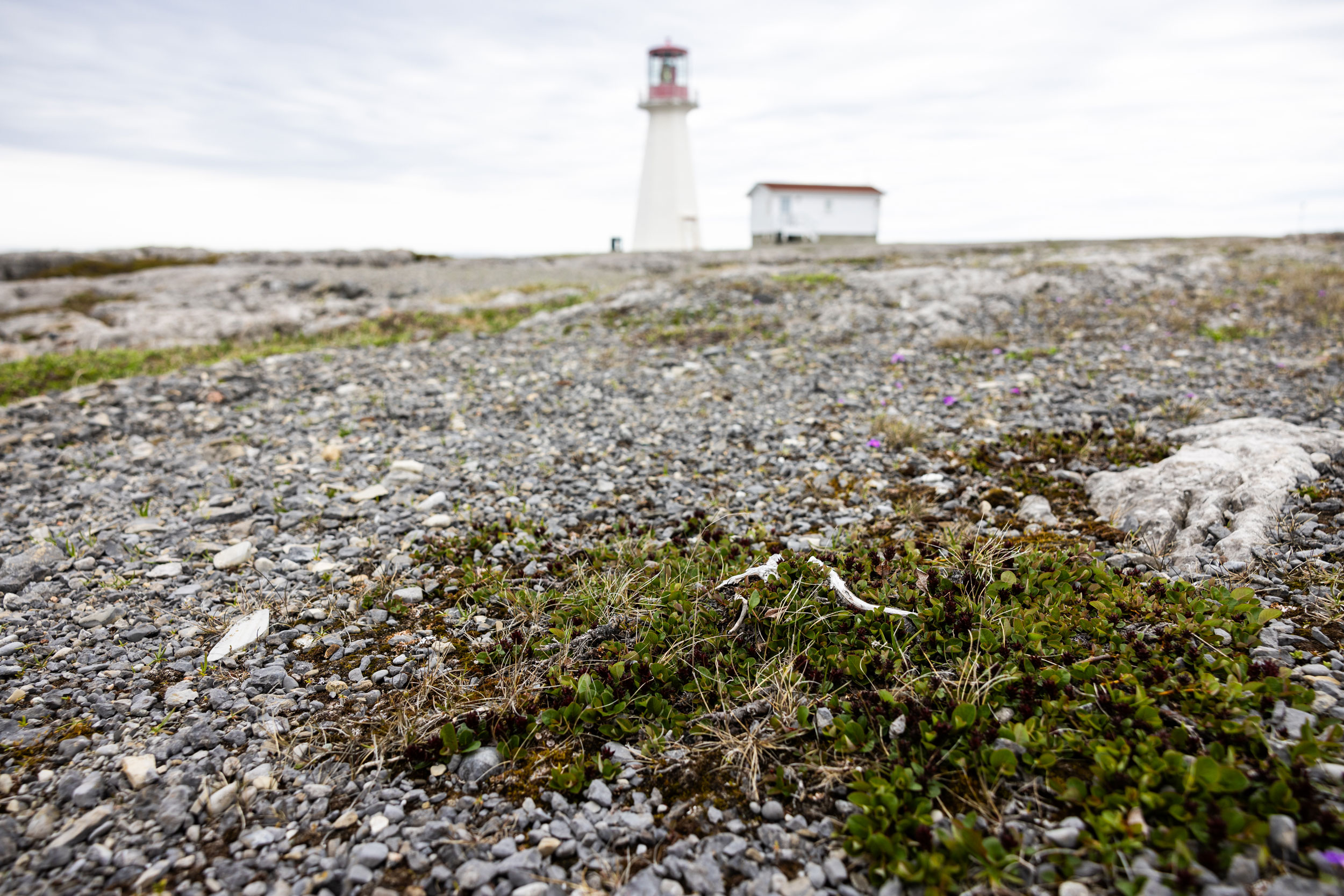
Fernald’s Braya grows in the exposed, calcium-rich limestone barrens of Newfoundland’s Great Northern Peninsula. This is a tundra-like landscape of windswept gravel, shallow soils, and frost-shaped terrain where few other plants can survive. It thrives in open, rocky areas where competition from other plants is low.
Long’s Braya entire global range exists only in a narrow range along the Strait of Belle Isle. All known populations are within a small stretch of coastline between Yankee Point and Sandy Cove.
Long’s Braya grows in the exposed, calcium-rich limestone barrens of Newfoundland’s Great Northern Peninsula. This is a tundra-like landscape of windswept gravel, shallow soils, and frost-shaped terrain where few other plants can survive. It thrives in recently-disturbed gravels and open, rocky areas where competition from other plants is low.
This plant species is found only along the Strait of Belle Isle on the Great Northern Peninsula of Newfoundland. It’s one of the most range-restricted plant species in Canada.
Barrens willow grows in exposed coastal limestone barrens where vegetation is sparse and conditions are extreme. Frost, winds, and shallow soils between rocks define the environment where this plant has adapted to survive.
The Wilder Institute combines hands-on habitat restoration based on formal research by other organizations, ensuring that reintroduction efforts are guided by evidence. By reshaping degraded sites, monitoring what conditions best support plant establishment, and working alongside communities and recovery partners, we’re creating a long-term conservation model.
Restoring a habitat as rare and fragile as the limestone barrens requires care and attention, from site assessment and preparation to eventual plant reintroduction and long-term monitoring. Every step is guided by research and shaped by the knowledge of the community members who know the landscape best.
The reintroduction of native plant species is planned for the coming years, beginning in 2026, informed by ongoing site preparation and restoration at a former quarry site on the Great Northern Peninsula.
Monitoring conducted alongside habitat restoration is generating the data needed to understand what site conditions best support the reestablishment of endangered limestone barrens plants.
Working with the Limestone Barrens Species at Risk Recovery Team, conservation partners, and community partners, the program is working toward the reintroduction of native plant species into restored habitat, with the goal of establishing self-sustaining populations.
Limestone barrens restoration is a collaborative effort across government agencies and community networks. The Limestone Landscapes Priority Place initiative has fostered the partnerships and shared knowledge base that make recovery in this landscape possible.
Learn more about how we’re building One Wild Future.
Rare plant species that depend on this unique ecosystem need sustained support.
Fund the habitat restoration and research protecting the plant species found nowhere else.
Partner with us to protect rare ecosystems and the irreplaceable species that call them home.