Our work combines science, collaboration, and long-term action to create measurable conservation outcomes around the world. 40 years of effort has produced real results, from recovering wild populations to strengthening local communities.
+662
Over 662 species are at risk in Canada
~300
Nearly 300 require targeted conservation action
+40%
Over 40% already depend on translocation strategies
Our Impact Areas
Conservation is most successful when science, community, and long-term commitment come together. Here’s how our work is creating meaningful change.
Species Recovery
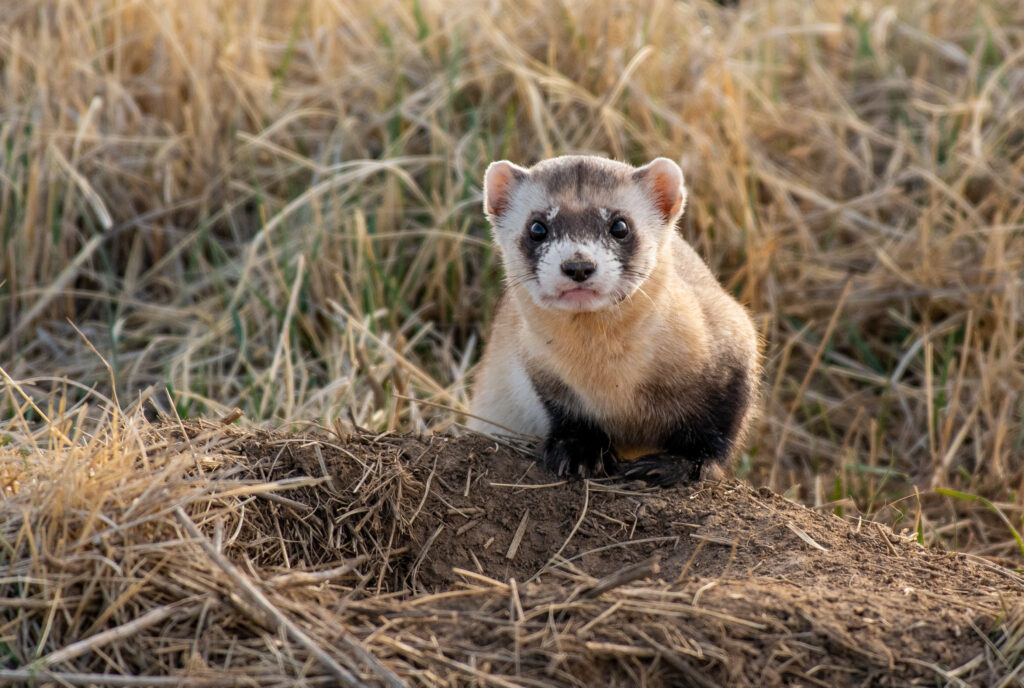
From conservation breeding to carefully managed reintroductions, we’re giving endangered species the best possible chance to survive – and thrive – in the wild.
Lasting conservation only works when both local communities and wildlife benefit from it. We partner with communities to build livelihoods, share knowledge, and foster local stewardship.
No organization can recover a species alone. We train fellow conservation practitioners, advise government agencies, and build networks that make recovery at scale possible.
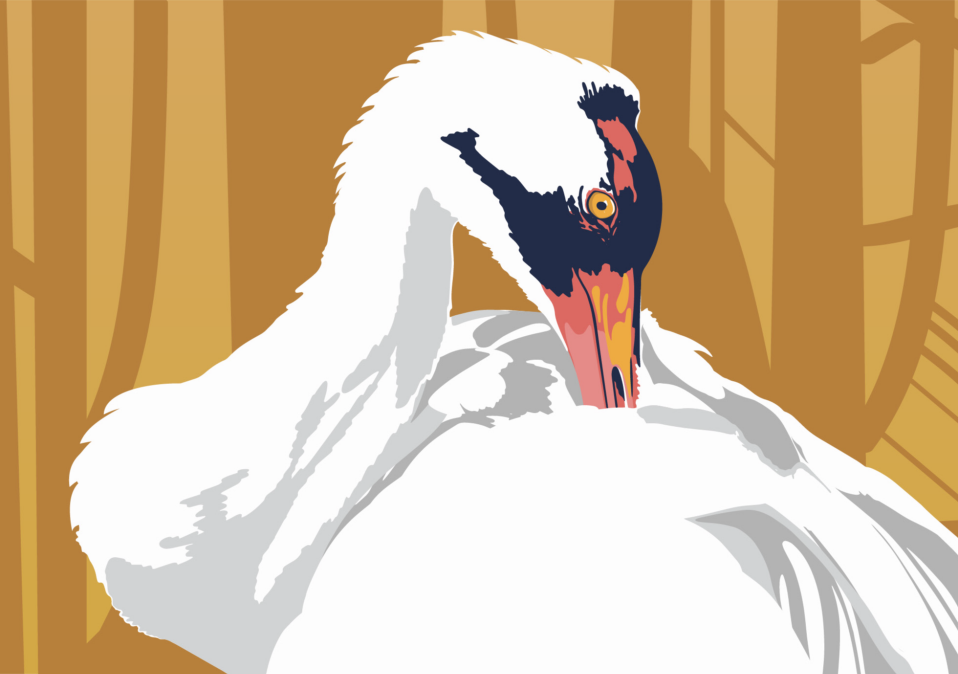
Our conservation breeding and reintroduction programs have helped bring species back from the edge of extinction. From Vancouver Island marmots to northern leopard frogs to whooping cranes, the Wilder Institute has had a hand in all of them.
When communities thrive, ecosystems do, too. From a beekeeping cooperative in Kenya to a community-managed hippo sanctuary in Ghana, our community conservation programs create real economic benefits for the people who live alongside wildlife.
The findings from our work are applied beyond our own programs. The Wilder Institute’s researchers publish in peer-reviewed journals and advise government agencies, including contributing to the United Kingdom’s national code for conservation translocations.
Behind every metric is a decision made in the field, a community that took a chance on conservation, and a species that got another chance at survival.
On Saturday, February 7, people around the world are coming together for Reverse the Red Day, a global movement driving urgent action for endangered and threatened species. Join us as we shine a spotlight on conservation efforts and the incredible work being done to protect wildlife for generations to come.
Advancing Our Whooping Crane Species Pledge: 2026 Update
On Saturday, February 7, people around the world are coming together for Reverse the Red Day, a global movement driving urgent action for endangered and threatened species. Join us as we shine a spotlight on conservation efforts and the incredible work being done to protect wildlife for generations to come. Last year, on Reverse the Red […]
Linking the Health and Livelihoods of People with the Conservation of Wild Species At your Wilder Institute, we understand that protecting biodiversity means addressing the needs of all living things — including people. Humans are inextricably linked to the survival of wildlife, and the meaningful integration of human health, gender equality, rights-based conservation, and […]
From Alberta’s native prairie grasslands to Kenya’s mountain forests, our programs span ecosystems, borders, and communities, all connected by a shared commitment to One Wild Future.
Partners & Collaborators
Collaboration is essential to our work, here at home and around the world. Our partnerships span Indigenous communities, governments, universities, and local landowners across Canada and around the world.
Alberta Environment and Parks
Amphibian Survival Alliance
Avu Lagoon Crema
Biodiversity & Family Planning Task Force
British Columbia Northern Leopard Frog Recovery Team
Burrowing Owl Alliance
Canadian Forces Base Suffield
Canadian Wildlife Service
Centre for Coastal Management
Columbia Valley Local Conservation Fund with the support of the Regional District of East Kootenay
We believe that accountability is an essential part of conservation. Our annual reports, financial statements, and governance structure are available for anyone who wants to understand how we work and where every dollar goes.