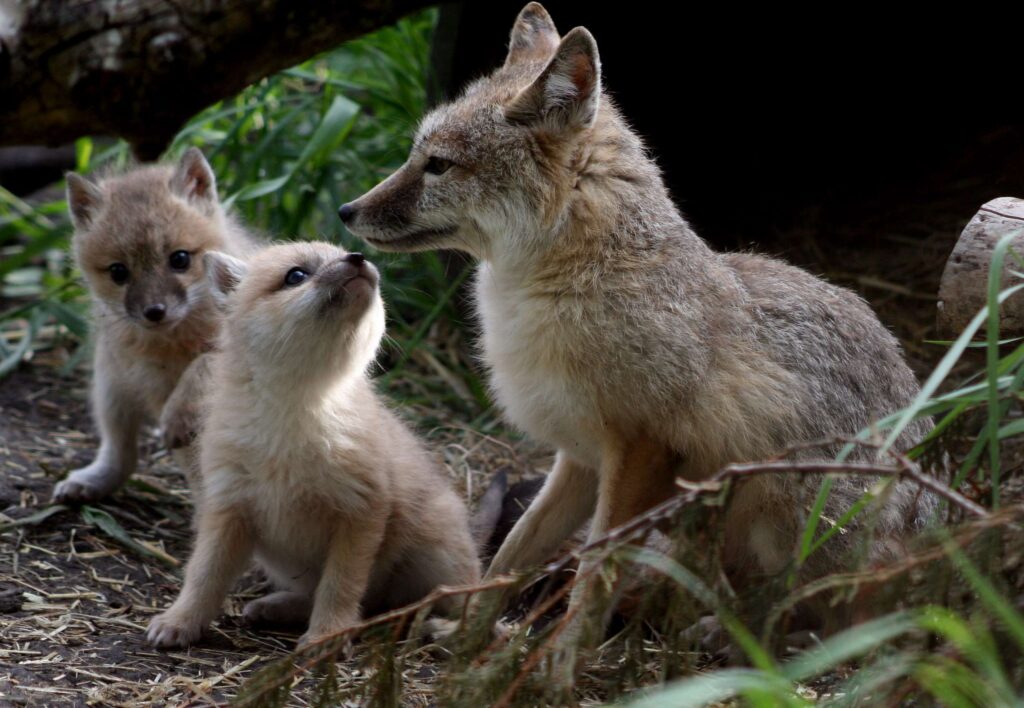
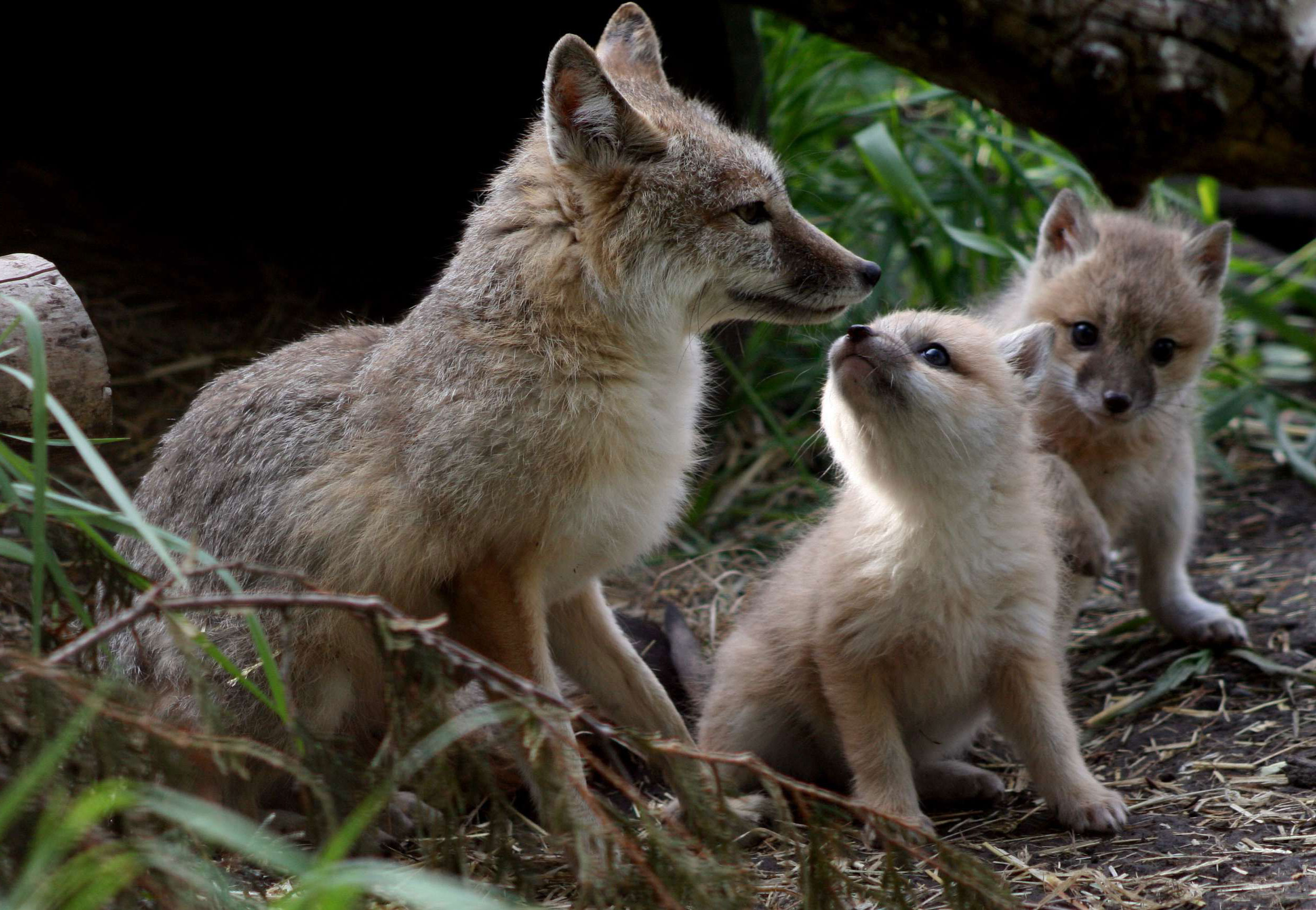
The swift fox disappeared from Canada by 1938. Decades of collaborative reintroduction, monitoring, and genetics research have brought the swift fox back to the northern part of their range in Alberta, Saskatchewan and Montana. It’s a conservation success story that the Wilder Institute was proud to be apart of.

The Wilder Institute contributed to swift fox recovery in Canada and Montana through long-term population monitoring, genetics research, reintroduction support, and advocacy for protecting at-risk populations. The data we collected allowed governments and conservation authorities to make important decisions for the species and their habitats.
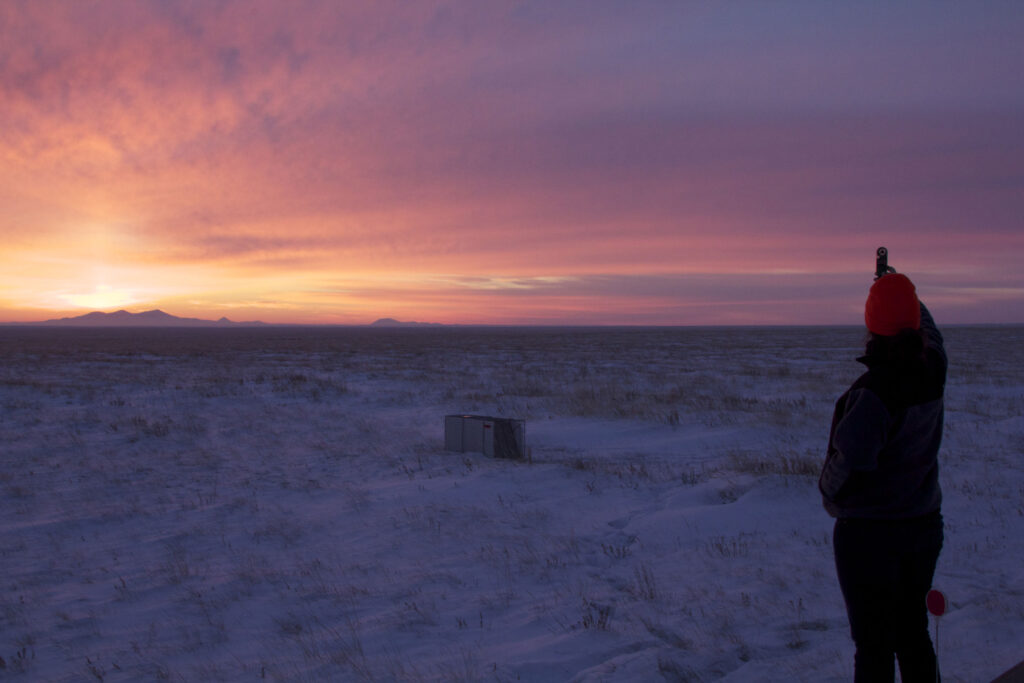
The program operated across the southern Canadian prairies in Alberta and Saskatchewan, into northern Montana.. Monitoring and research spanned grassland ecosystems across this region.
This program aimed to support the continued recovery of swift fox populations in Canada and Montana, contributing to population data, genetic insights, and field expertise to the broader recovery effort.
Intense habitat loss and persecution drove the swift fox to extirpation in Canada by 1938. Reintroduction efforts starting in 1983 brought the species back to Alberta and Saskatchewan, but today the swift fox remains listed as Threatened under Canada’s Species At Risk Act. Continued habitat loss and fragmentation across the southern prairies means their long-term recovery is still at risk.
The swift fox was once abundant across the southern Canadian prairies, but intense habitat loss and persecution in the early 1900s led to the extirpation of the swift fox in 1938. Consequently, Montana’s northern population suffered a similar fate. Thanks to a reintroduction program, today these foxes are found in southern Alberta and Saskatchewan, including areas in and around Grasslands National Park.
Swift foxes live in short and mixed-grass prairie ecosystems with open terrain and sparse vegetation. They prefer relatively dry homogeneous areas and avoid cultivated croplands and fragmented landscapes, relying heavily on grasslands for hunting, denning, raising young, and avoiding predators.
Swift fox recovery has required sustained effort across multiple fronts since 1983. The Wilder Institute contributed to the long-term monitoring and genetics research that guided population management across Canada and Montana.
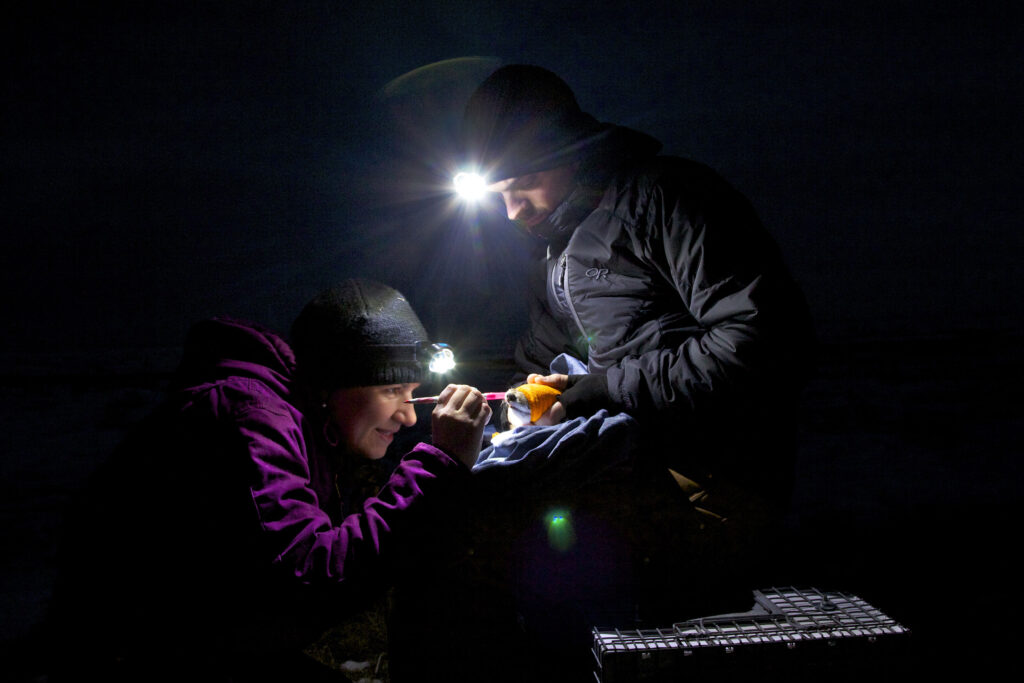
Long-term population monitoring was one of the Wilder Institute’s core contributions. This survey data allowed governments and conservation authorities to track population trends and make informed management decisions for the species going forward.
Genetic studies provided glimpses into the movement of individuals throughout their prairie habitat range and helped clarify the connections between populations across Canada and the United States.
We contributed to determining the best translocation strategies to ensure a sustainable and connected swift fox population across Canada and the U.S.
We engaged federal and provincial agencies to integrate scientific findings into the policies of non-government and government organizations for habitat protection.
Swift fox recovery spanned two countries and dozens of organizations. The breadth of this partnership network reflected the scale of the challenge and collective commitment that kept this fox species moving towards recovery.
Learn more about how we’re building One Wild Future.
Be a part of the next conservation comeback story.
Partner with us to protect the prairies that species like the swift fox rely on.