

As speedy, elusive, and nocturnal carnivores the size of a small cat, swift foxes are important to the biodiversity and health of the grassland ecosystem. Once completely wiped out in Canada, reintroductions allowed them to make a remarkable comeback, though they remain listed as Threatened under Canada’s Species At Risk Act.
Despite significant headway in the Canadian recovery effort, the swift fox population is still fragile. Conservation efforts have helped restore populations across the northern part of their range in Alberta,Saskatchewan and Montana, ongoing environmental pressures continue to threaten the species’ long-term recovery.
Swift foxes live in short and mixed-grass prairie ecosystems with open terrain and sparse vegetation. They prefer relatively dry homogeneous areas and avoid cultivated croplands and fragmented landscapes, relying heavily on grasslands for hunting, denning, raising young, and avoiding predators.
The swift fox was once abundant across the southern Canadian prairies, but intense habitat loss and persecution in the early 1900s led to the extirpation of the swift fox in 1938. Consequently, Montana’s northern population suffered a similar fate. Thanks to a reintroduction program, today these foxes are found in southern Alberta and Saskatchewan, including areas in and around Grasslands National Park.
Habitat loss and fragmentation continue to threaten their recovery across the prairies.
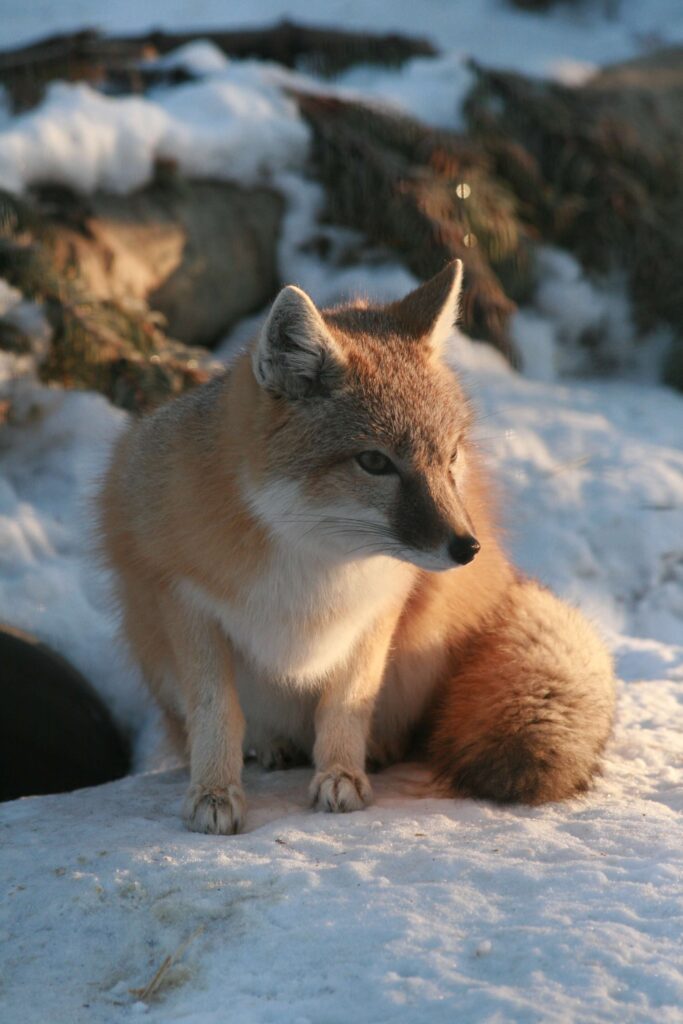
Swift foxes are an important part of prairie ecosystems and a reminder that species recovery is possible. Their return to Canada reflects decades of collaborative conservation efforts, research, monitoring, and community partnerships.
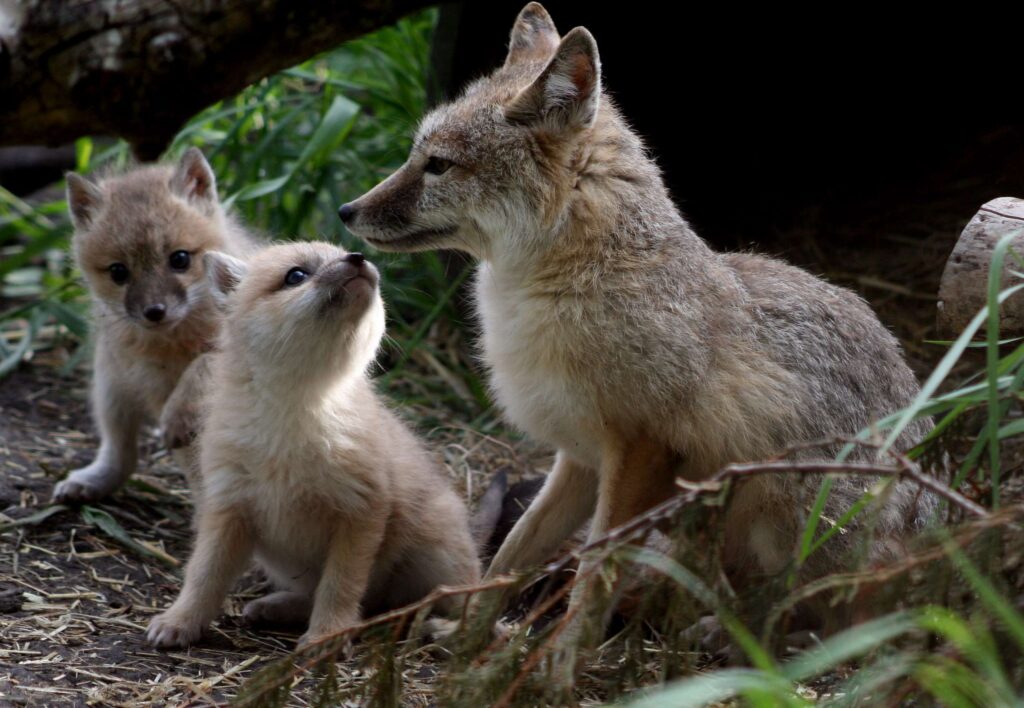
The swift fox is one of North America’s smallest wild canids and among its fastest mammals, capable of running more than 60 kilometres per hour. This nocturnal mesocarnivore is an opportunistic forager that eats mammals, birds, insects, plants, and carrion.
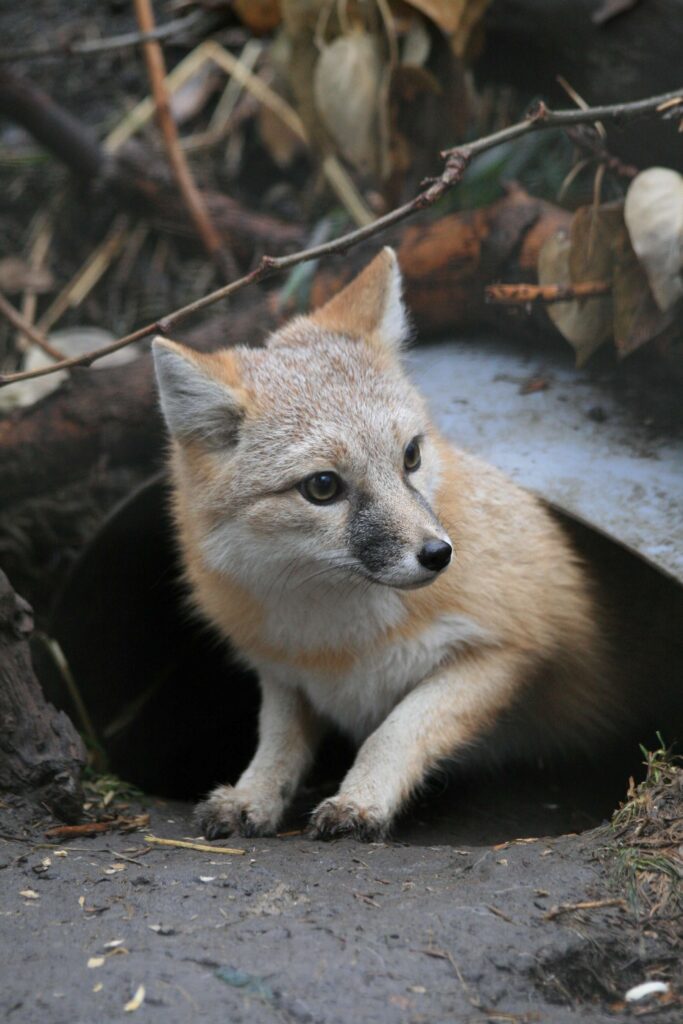
Historically, they ranged from from the Pembina Hills in Manitoba, across southern Saskatchewan, and west to the foothills of the Rocky Mountains in Alberta. Today, swift foxes inhabit native grasslands across parts of southern Alberta and Saskatchewan, favouring open prairie landscapes.
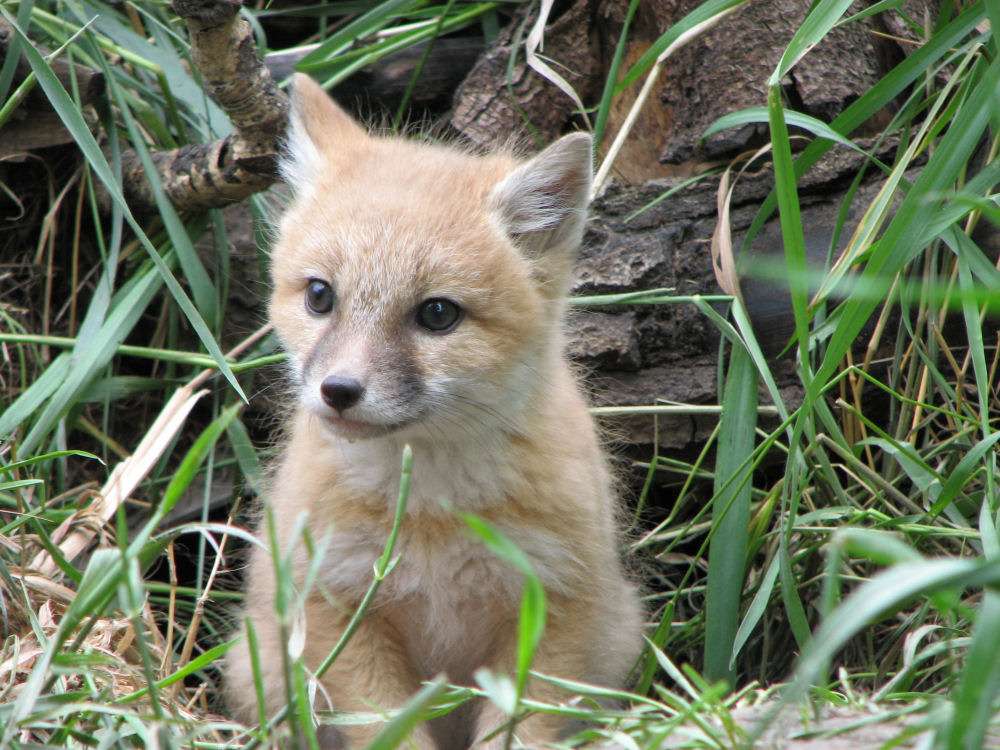
Swift foxes have buff-grey fur, orange-tan sides and legs, and a lightweight body built for speed and agility. They’re highly dependent on underground dens, either digging their own or modifying burrows created by other species like badgers and ground squirrels.
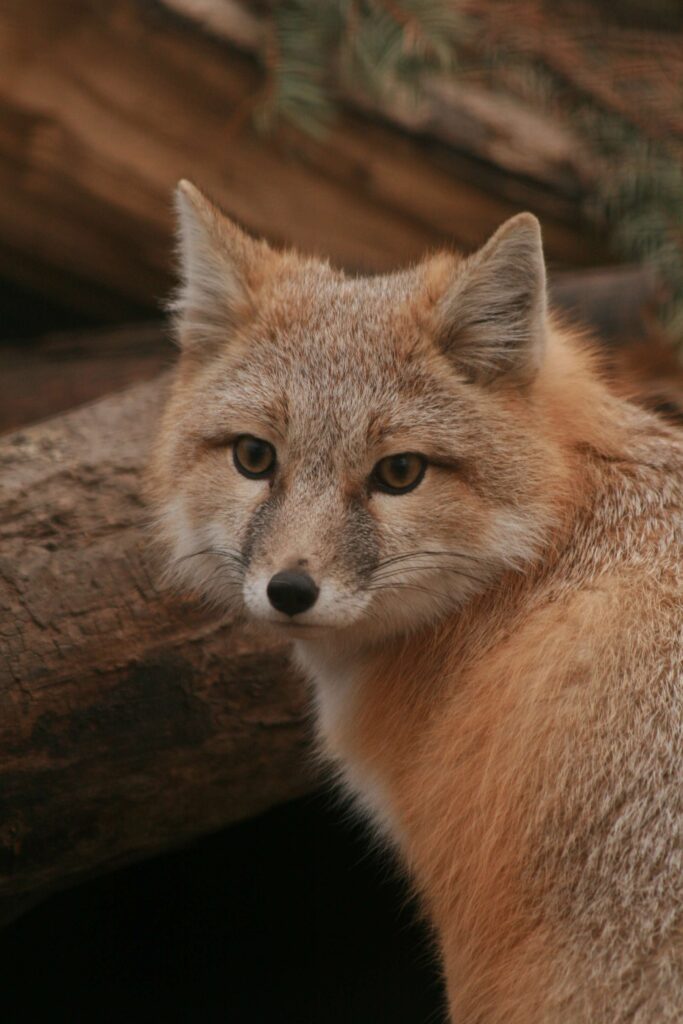
The swift fox is considered one of Canada’s most notable conservation comeback stories after disappearing from the country in the 1930s. They’re also one of the most burrow-dependent canids, using burrows year-round for protection from predators, raising pups, and surviving harsh prairie weather conditions.
As grassland specialists, swift foxes are an important indicator of a healthy prairie ecosystem. They also carry strong spiritual and cultural significance for the Niitsitapi (Blackfoot Confederacy) and specifically for the Kainai (Blood) Tribe in Alberta, Canada. Protecting their habitat supports many other prairie species while helping maintain ecological connections between wildlife, working landscapes, and the communities that depend on them.
Conversion of the prairies for agricultural purposes dramatically reduced the swift fox’s habitat across North America. Today, habitat fragmentation, accidental poisoning from the misuse of toxicants like rodenticides, road mortality from collision with vehicles, and competition for resources withcoyotes continues to challenge recovery efforts.
For more than 30 years, working alongside communities, governments, researchers and landowners, the Wilder Institute supported swift fox recovery in Alberta and Montana through population monitoring, genetics research, collaborative releases, and habitat protection efforts.
Between 1983 and 1997, more than 900 foxes were released in Alberta and Saskatchewan through collaborative reintroduction and wild-to-wild translocation efforts.
Protecting native prairie habitat helps support swift foxes while benefiting broader grassland biodiversity across western Canada.
Recovery efforts depend on collaboration between conservation organizations, researchers, governments, and local landowners working together across the prairies.
Our conservation programs are helping restore and protect threatened grassland species.
The Wilder Institute contributed to swift fox recovery in Canada and Montana through long-term population monitoring, genetics research, reintroduction support, and advocacy for protecting at-risk populations. The data we collected allowed governments and conservation authorities to make important decisions for the species and their habitats.
The program operated across the southern Canadian prairies in Alberta and Saskatchewan, into northern Montana.. Monitoring and research spanned grassland ecosystems across this region.
Swift foxes historically ranged across North American prairie grasslands.
Support collaborative conservation helping wildlife and people thrive together.
Help fund prairie conservation, habitat protection, and recovery efforts for threatened species like the swift fox.
Strengthen conservation through advocacy, awareness, and community action that supports healthy prairie ecosystems and wildlife.
Explore additional ways to contribute to our work through corporate partnerships, monthly giving, and community initiatives supporting conservation.