

For thousands of years, black-footed ferrets evolved alongside prairie dogs in the grasslands of North America’s Great Plains. Since the 1800s, grassland conversion, disease, and eradication efforts have devastated prairie dog dog populations, pushing ferrets to the brink of extinction and triggering the decline of an entire ecosystem.

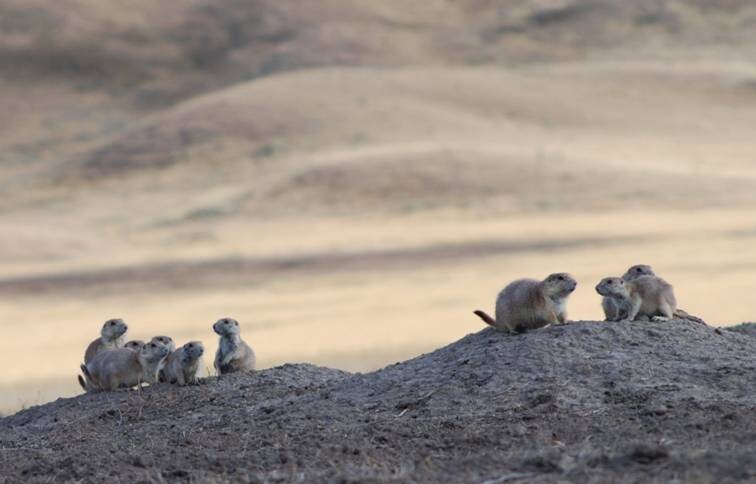
The Wilder Institute’s Prairie Dog Ecosystem Program works with partners of the Black-Footed Ferret Recovery Implementation Team to support ferret recovery, prairie dog conservation, and grassland restoration in the Northern Great Plains. The program began in 2010 supporting Canada’s black-footed ferret recovery efforts led by Grasslands National Park, leading research and monitoring alongside partners for over a decade.. In 2023, it expanded to collaborate with U.S. partners in Montana to support their ferret, prairie dog and grasslands restoration efforts.
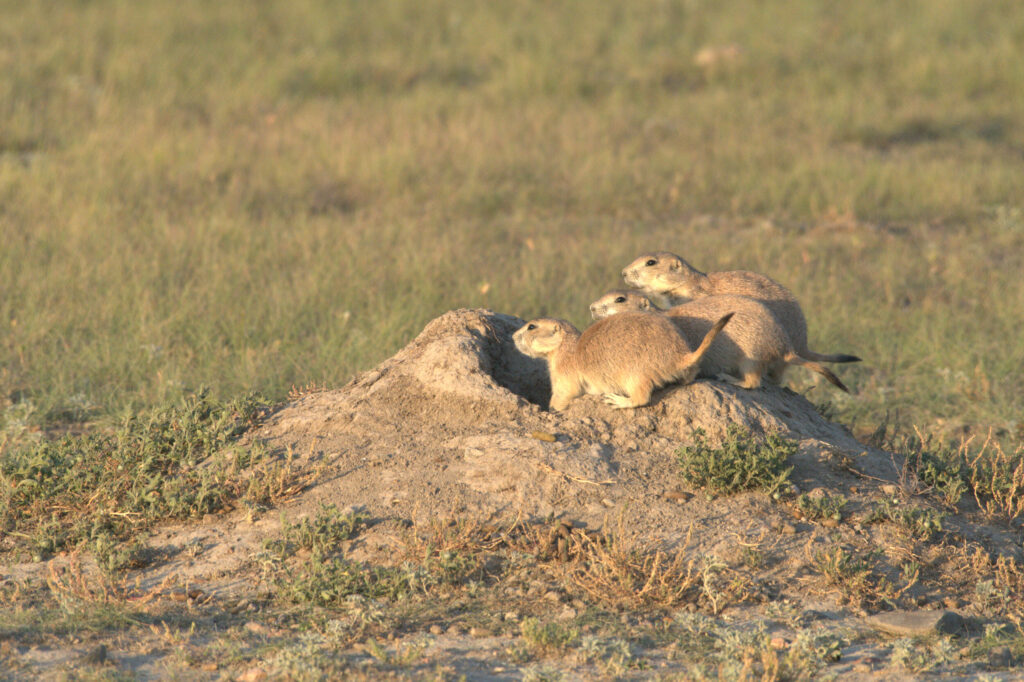
The program is based at the northern edge of the historic range of both the black-tailed prairie dog and the black-footed ferret – from southern Saskatchewan, home of the northernmost black-tailed prairie dog population to partnering sites just across the border in Montana.
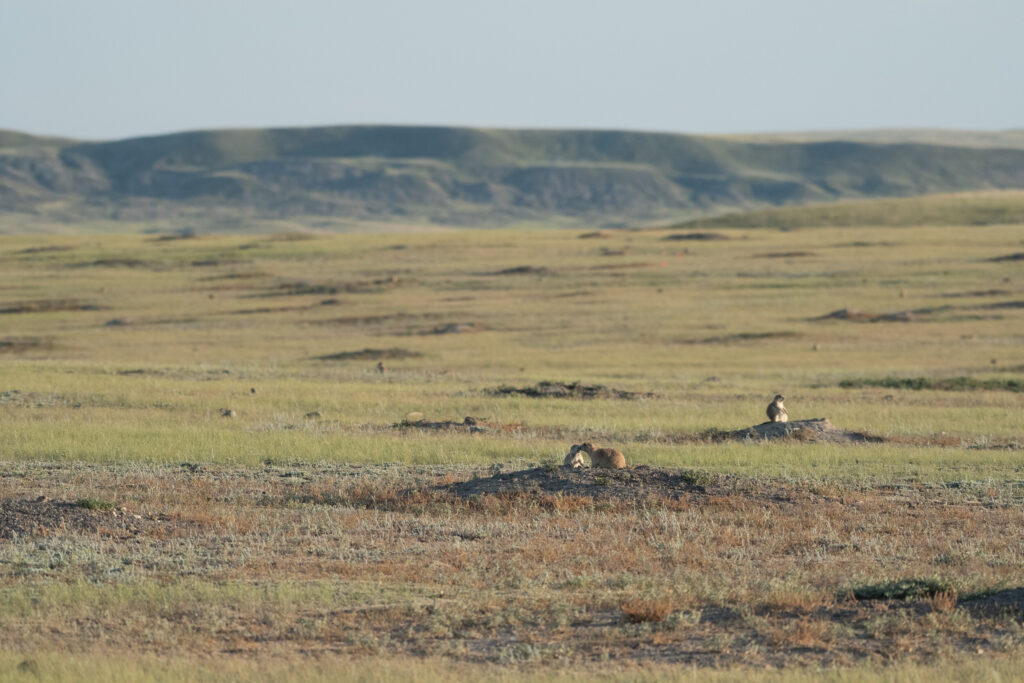
By working closely with partners, the program aims to support long-term capacity for on-the-ground conservation actions for healthy native grasslands, thriving prairie dog populations, and the recovery of black-footed ferrets alongside the people and communities who share this landscape.

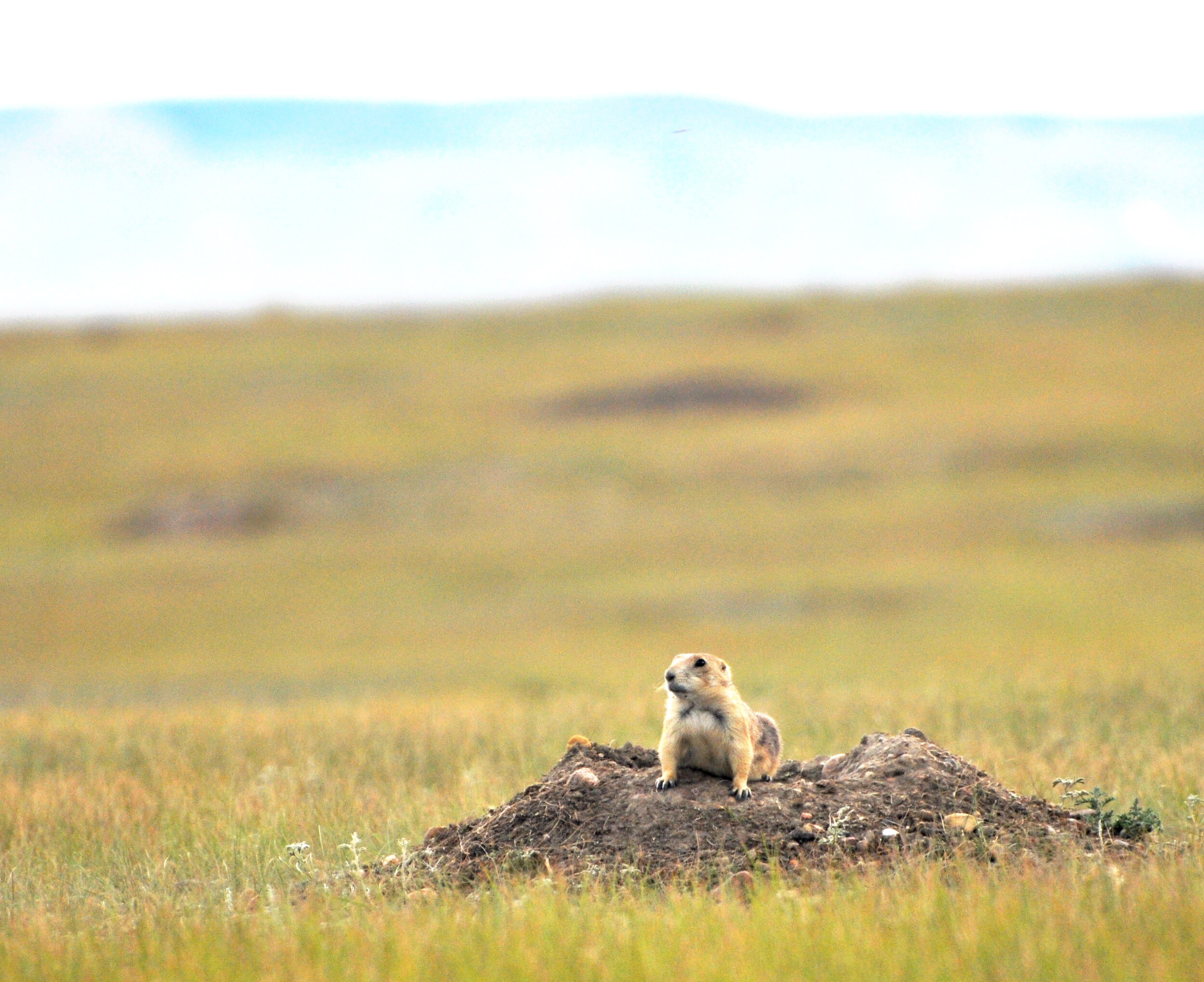
Up to 80% of North America’s Great Plains have been lost since settlers arrived, and what remains continues to face pressure from land conversion, invasive species, fire suppression, and climate change. As grasslands disappear, so do native wildlife, healthy ecosystem functions, and vital cultural connections and lifeways for Indigenous Nations.
Prairie dogs are a keystone species and ecosystem engineer of the grasslands they inhabit. Habitat loss, disease, eradication efforts, and climate change have caused their populations to plummet across the Great Plains. As these prairie dogs disappear, the entire ecosystem suffers, including the black-footed ferret, which depends almost entirely on prairie dogs for food and shelter, making them especially vulnerable to prairie dog declines. These relationships and interconnected challenges highlight the need to continue an ‘ecosystem approach’ to conservation, one that supports healthy native grasslands, thriving prairie dog populations and the recovery of black-footed ferrets alongside the people and communities who share this landscape.
Historically, black-tailed prairie dogs ranged throughout the Great Plains from southern Saskatchewan to northern Mexico – but today occupy less than 2% of their original habitat. The historic range of the black-footed ferret followed that of prairie dogs. Today they are found in a handful of reintroduction sites in the United States but are currently extirpated in Canada and Mexico.
Both species depend on short- and mixed-grass prairie ecosystems. Black-tailed prairie dogs live in large colonies where they feed on plants and dig extensive interconnected burrow systems – often called ‘towns’. Black-footed ferrets rely on prairie dogs for up to 90% of their diet and depend on their burrows for shelter – making prairie dog colonies critical habitat for ferret survival.
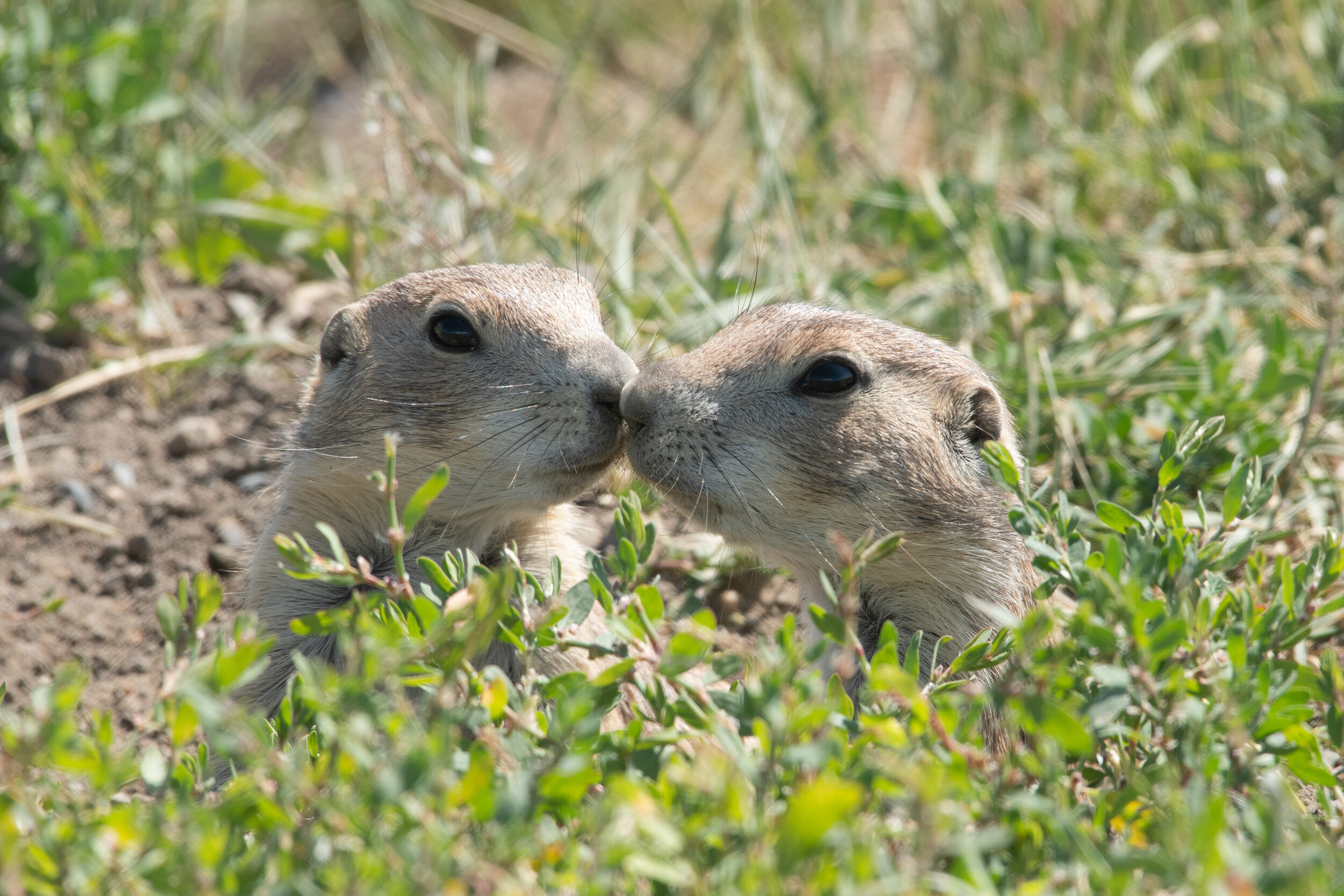
The Prairie Dog Ecosystem Program takes a truly collaborative, ecosystem-based approach to conservation – one shaped by the close connection between prairie dogs, ferrets,grasslands, and the shared challenges they face.This program is about more than recovering species. It’s about restoring healthy grasslands and supporting the people and communities who have long stewarded these landscapes. By working together, we are strengthening the relationships between people, wildlife, and the land to help ensure these iconic species and ecosystems thrive for generations to come.
Today, the black-footed ferret recovery program is one of the world’s most iconic reintroduction efforts. Led by the U.S. Fish and Wildlife Service, an extensive network of collaborators – the Black-Footed Ferret Recovery Implementation Team – are working together to recover ferrets, conserve prairie dogs, and restore their grassland ecosystems. While significant progress has been made, major challenges remain, underscoring the importance of continuing to take an ecosystem-based approach in our conservation actions.
This program takes an inclusive conservation approach to support partners in decision making and conservation actions by contributing to research, long-term monitoring and access to equipment, resources and training.
The Prairie Dog Ecosystem Program collaborates with government agencies, conservation organization, universities and local communities from both sides of the Canada-USA border.
Learn more about how we’re building One Wild Future.
Get involved in making Canada’s prairie ecosystem a wilder place.
Your support funds research and fieldwork protecting Canada’s vulnerable grassland species.
Partner with us to protect the prairie ecosystems that wildlife and communities depend on.
Get updates on the latest conservation outcomes both here at home and around the world.