

In the early 1900s, over-trapping and habitat loss had pushed fishers out of Washington state. By the 1990s, the species was formally declared extirpated.The Wilder Institute partnered with conservation organizations and government agencies to help with their return, translocating 89 fishers from Alberta’s healthy population to Washington.

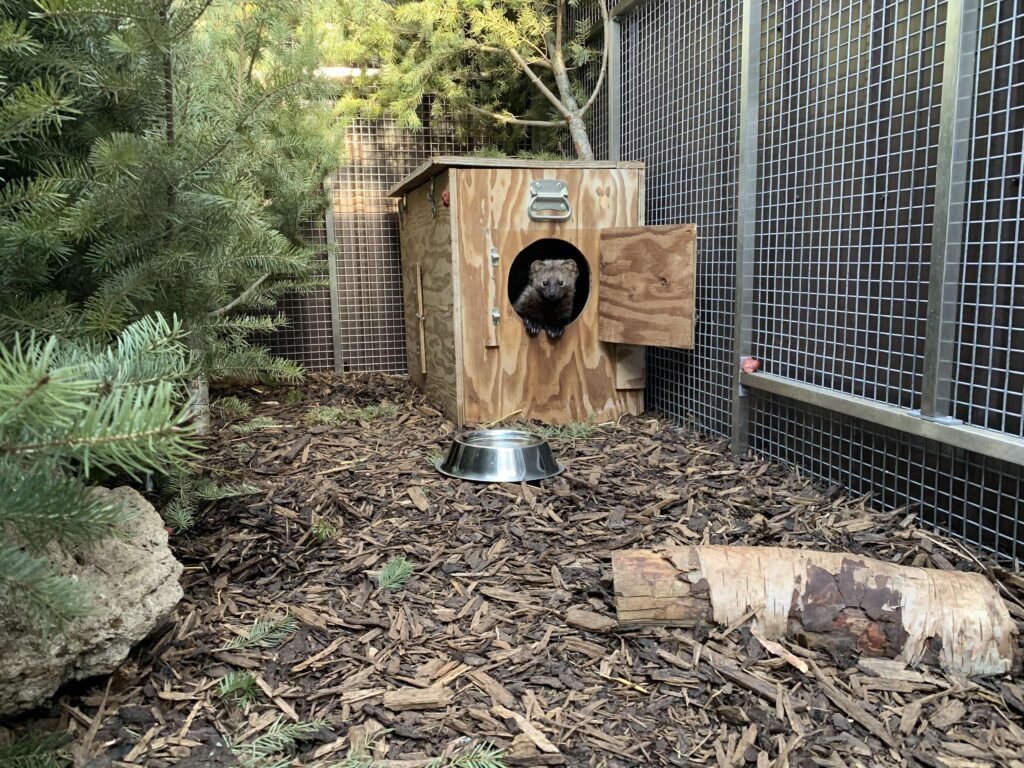
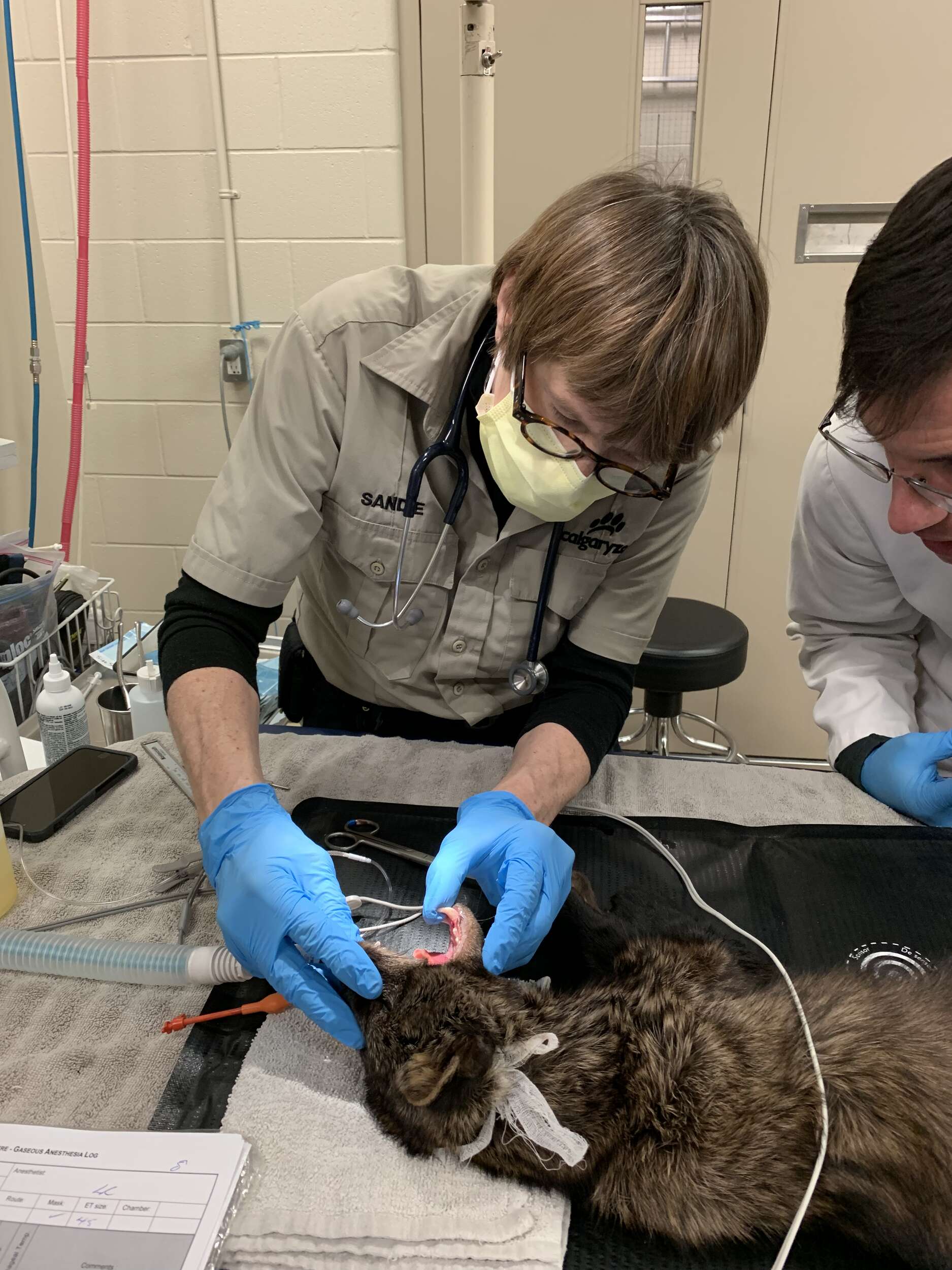
The Wilder Institute worked with partners to capture, and translocate fishers from Alberta to Washington. While fishers were in our care, the veterinary team conducted health exams and fitted them with transmitters, and researchers collected physical and behavioural data to understand how individual characteristics impacted post-release survival.
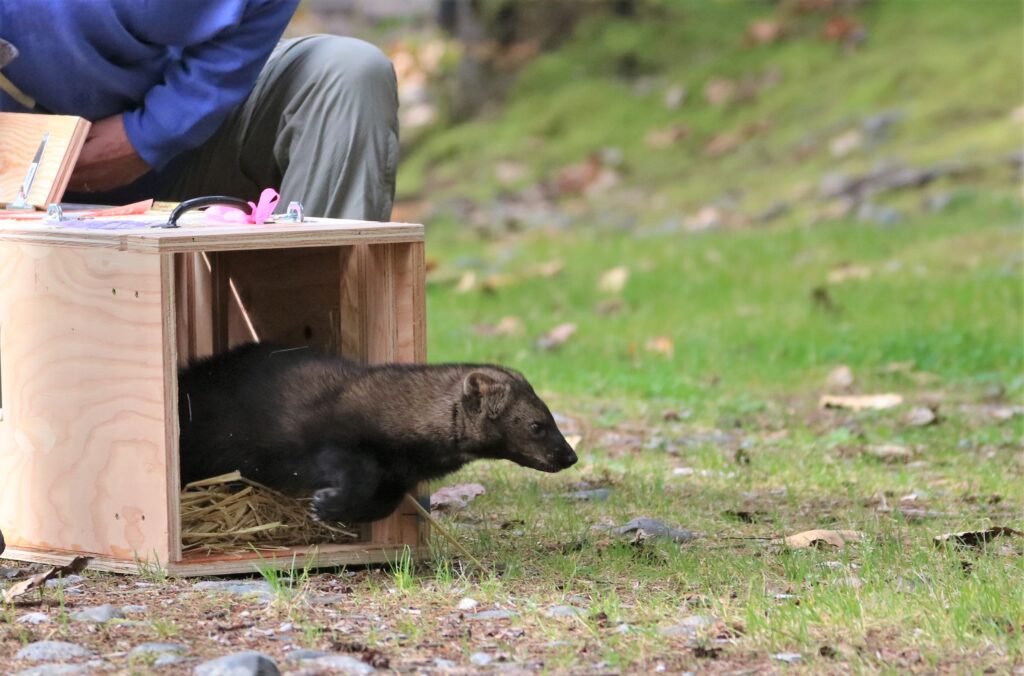
Fishers were humanely captured by local trappers in Alberta and transported to the Wilder Institute for health assessments and preparation before translocation. Release sites were located in the fisher’s historic range: the Cascade Mountain Range in Washington state.
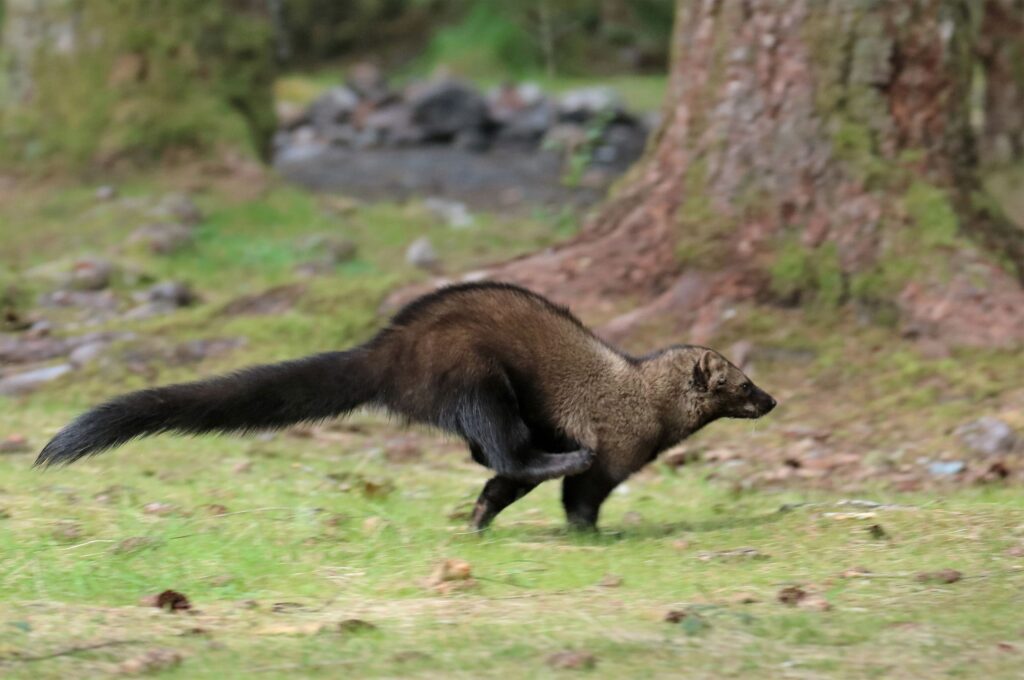
The program aimed to re-establish a self-sustaining fisher population in Washington state, filling a niche that had been empty for decades while restoring balance to the ecosystem. Alongside reintroduction, the continuing research on post-release outcomes build lt a knowledge base to inform future conservation translocations for the fisher and other at-risk species.

By the mid-1900s, a combination of habitat loss and over-trapping had pushed fishers out of Washington state, leaving the Cascade Mountain Range and Olympic Peninsula without the species for generations.While fisher populations in Canada, particularly Alberta, remained healthy and abundant, Washington’s extirpation was formally documented in the 1990s.
Fishers live across Canada’s boreal forest regions, from British Columbia to eastern Canada. The Wilder Institute’s conservation efforts focus on restoring the fisher populations in Washington state.
Fishers rely on dense forest habitats with large trees, strong canopy cover, and coarse wooden debris for making dens to raise their young. Female fishers prefer mature trees with cavities as their denning sites.
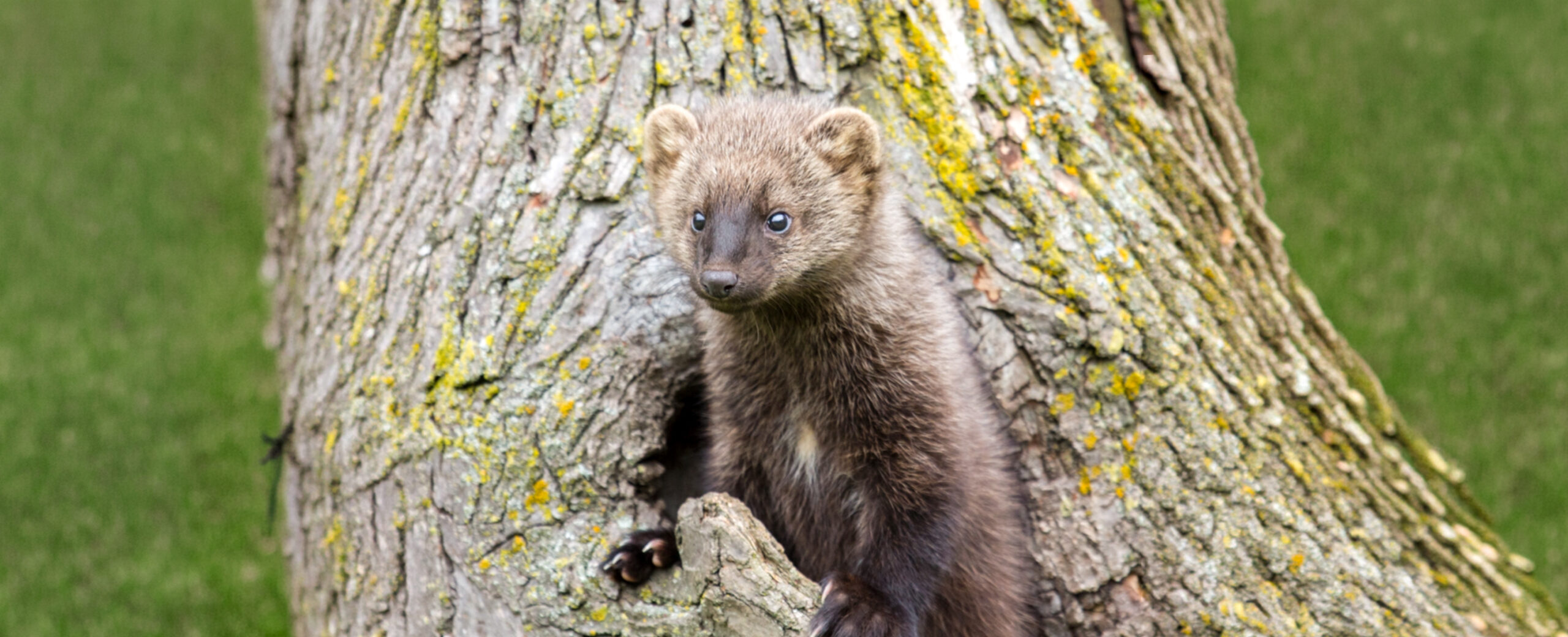
The Wilder Institute’s role combined veterinary expertise with scientific research. Fishers captured by Alberta trappers were transported to the Wilder Institute, where the veterinary team conducted thorough health assessments and equipped the fishers with transmitters. The research team collected data on their physical and behavioural conditions such as tooth wear, age, blood chemistry, body weight, stress response and personality traits before release to understand how these characteristics impact the survival, dispersal, and reproduction of translocated fishers in the wild.
The reintroduction of fishers to Washington state is helping to restore biodiversity in old growth forest habitats and return an important mesocarnivore that had been largely absent from the forests for a half century or more. The translocation of fishers from Alberta has also helped to increase the genetic diversity of the reintroduced population in the Cascade Range. The Wilder Institute’s research contribution will help inform future conservation efforts for other at-risk species in Canada and around the world.
Evidence suggests populations continue to reproduce today, though a current population count is not yet confirmed.
3,050
Approximately 3,050 hours of recorded surveillance video were collected to assess fishers’ exploratory behaviour compared with data from the wild.
32
Communities showed support for fisher reintroduction, with around 900 people attending 32 release events, including schools and youth groups – and children released almost every fisher.
1st
In April 2021, a female fisher was captured on a motion-sensor camera moving four kits from her den in the North Cascades – the first wild-born fishers in the region in nearly a half century.
The program’s methodology was designed to maximize the value of every translocation. We weren’t just moving animals from place to place – we collected and analyzed the data needed to understand what makes reintroductions succeed.
Fishers were captured by local Alberta trappers and transported to the Wilder Institute, where each animal’s health and characteristics were assessed.
After their health assessment, our researchers equipped fishers with a transmitter before they were transported to reintroduction sites in Washington state.
Transmitters allowed partners to track fisher survival and dispersal across reintroduction sites, generating the post-release data needed to evaluate and refine the program.
Fishers were released into landscapes within the species’ historic range where over-trapping and habitat loss had left the ecosystem largely without this predator for decades.
Fisher reintroduction was a cross-border collaboration with trappers, conservation organizations, national parks, and government wildlife agencies, all united around a shared goal of species recovery.
Learn more about how we’re building One Wild Future.
Get involved in helping other at-risk species.