

Who We Work With
The Wilder Institute collaborates with organizations and communities across every scale of conservation, from international governing bodies to local landowners. With recognized expertise in conservation translocations and species recovery, we bring a depth of knowledge to our collaborations. If your work touches wildlife and wild places, there’s a role for partnership.
Governments
We work with federal, provincial, and local governments across Canada and internationally, advising on policy, lending our expertise in conservation translocation, contributing to national recovery strategies, and helping governments meet their biodiversity commitments through evidence-based conservation action.
NGOs
From large international conservation organizations to regional nonprofits, we collaborate with NGOs to share expertise, co-develop programs, and extend the reach of conservation work that neither of us could do alone.
Local communities
Communities living alongside at-risk species are essential conservation partners. We work with local and Indigenous communities to integrate traditional knowledge, strengthen capacity, and ensure conservation delivers tangible benefits for the people closest to the land.
Global institutions
We collaborate with internationally recognized bodies including the International Union for Conservation of Nature (IUCN) Species Survival Commission, the U.S. Fish and Wildlife Service, and the Zoological Society of London. These collaborations allow us to apply our expertise and increase the reach of conservation programs globally.
How We Help
The Wilder Institute brings scientific expertise, field experience, and long-term conservation commitment to our partnerships, helping organizations do more, reach further, and achieve better outcomes for species at risk.
Program collaboration
We co-develop and co-lead conservation programs with partners around the world. We contribute our conservation translocation expertise, applied research, and decades of hands-on species recovery to initiatives that no single organization could achieve alone.
Scientific advisory
Our conservation scientists provide expert guidance on species recovery planning, translocation methodology, and other best practices. This helps partner organizations make evidence-based decisions that improve outcomes for the species and ecosystems they work with.
Best practices
We share the research, tools, and methods we’ve developed over decades of conservation work, connecting partners with the latest scientific findings and helping them apply proven approaches to their own programs.
Problem-solving
When organizations face complex conservation challenges, we offer experienced problem-solving consultation. We draw on the knowledge of our conservation biologists to identify practical, science-informed solutions that can be adapted to local conditions and needs.
Why the Wilder Institute
A global network and four decades of field experience.
Global Reach
We work across North America, Africa, and beyond, with relationships that support conservation programs where they’re needed most.
Proven Expertise
From whooping crane recovery to community-led conservation in Kenya and Ghana, our track record spans species, ecosystems, and continents.
Science-backed Approach
Every program we lead or advise on is grounded in rigorous research, long-term monitoring, and adaptive management that delivers measurable outcomes.
Collaboration Stories
These collaborations show what’s possible when the right organizations find each other. Each one is unique – different species, different geography, different challenges – but they’re all built on the same foundation of trust and shared purpose.
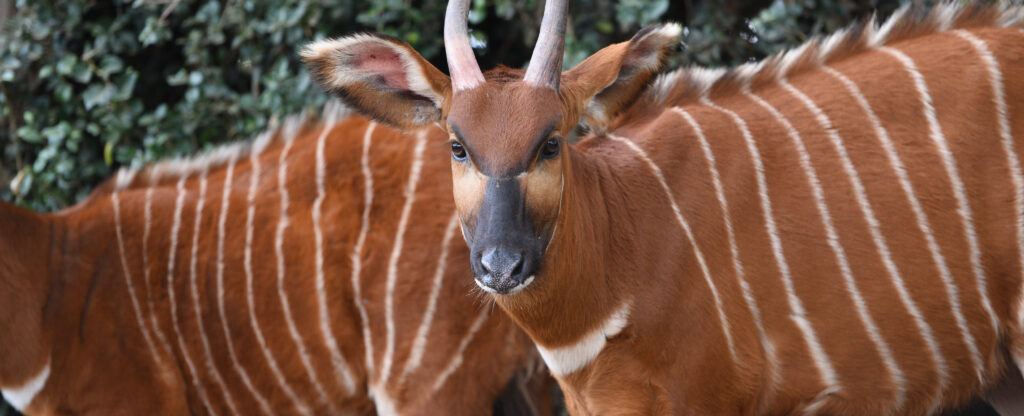
Kenya Mountain Bongo
In Kenya’s mountain forests, we work with Rhino Ark Charitable Trust, local communities, and government agencies to protect one of Africa’s most critically endangered antelopes. This collaboration braids Western science with traditional and local ecological knowledge to drive recovery.
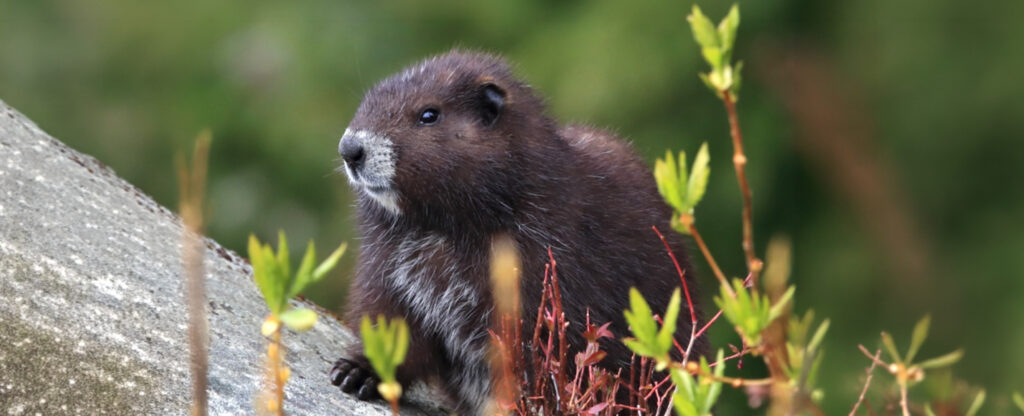
Vancouver Island Marmot
Increasing Canada’s most endangered species from 30 individuals required working closely with partners including the Marmot Recovery Foundation and The Toronto Zoo. Our Vancouver Island marmot program shows what collaborative innovation looks like in practice.
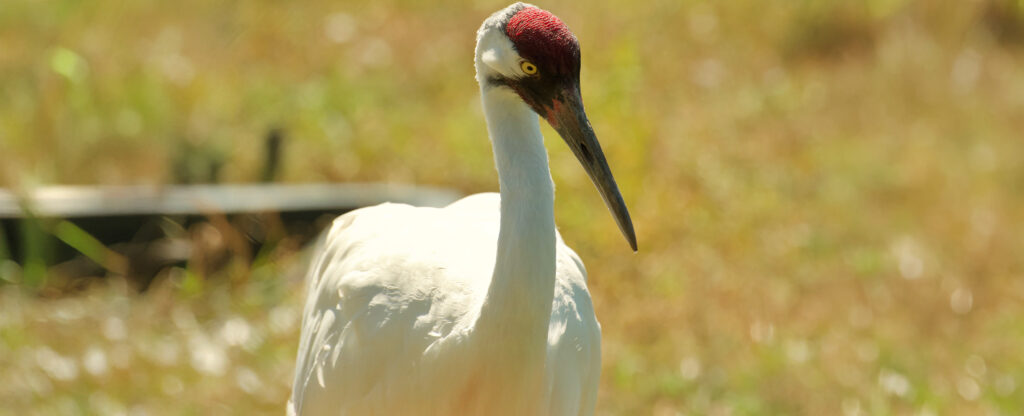
Whooping Crane
Recovering one of North America’s rarest birds takes two countries, dozens of organizations, and deep relationships with First Nations and Métis communities. Working with partners such as the International Crane Foundation and Forth Smith’s local communities, this recovery story is a blueprint for what cross-border, cross-sector conservation can achieve.
Current Collaborators
A global network of organizations united by a shared commitment to wildlife and wild places.
Conservation doesn’t stop at borders
If you’re working to protect wildlife, we want to hear from you.