

Built for Species Recovery
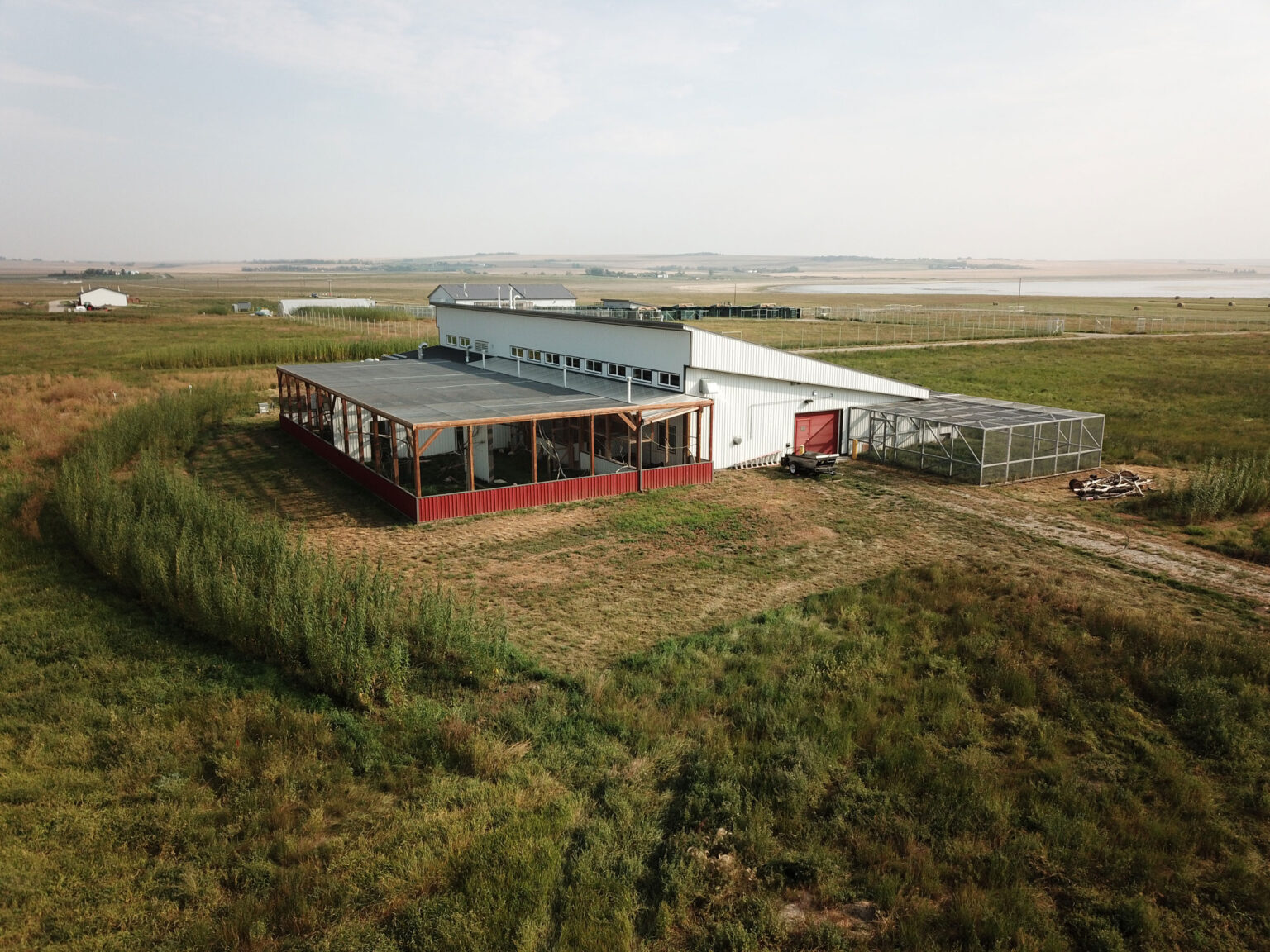
The Wilder Institute’s Archibald Biodiversity Centre is a specialized breeding and research facility dedicated to helping endangered species recover. Built in response to increasing conservation demand, the Centre provides the seclusion, space, and infrastructure needed for applied research, veterinary care, and reintroduction preparation. The work done here gives endangered species a stronger chance of recovery in the wild.
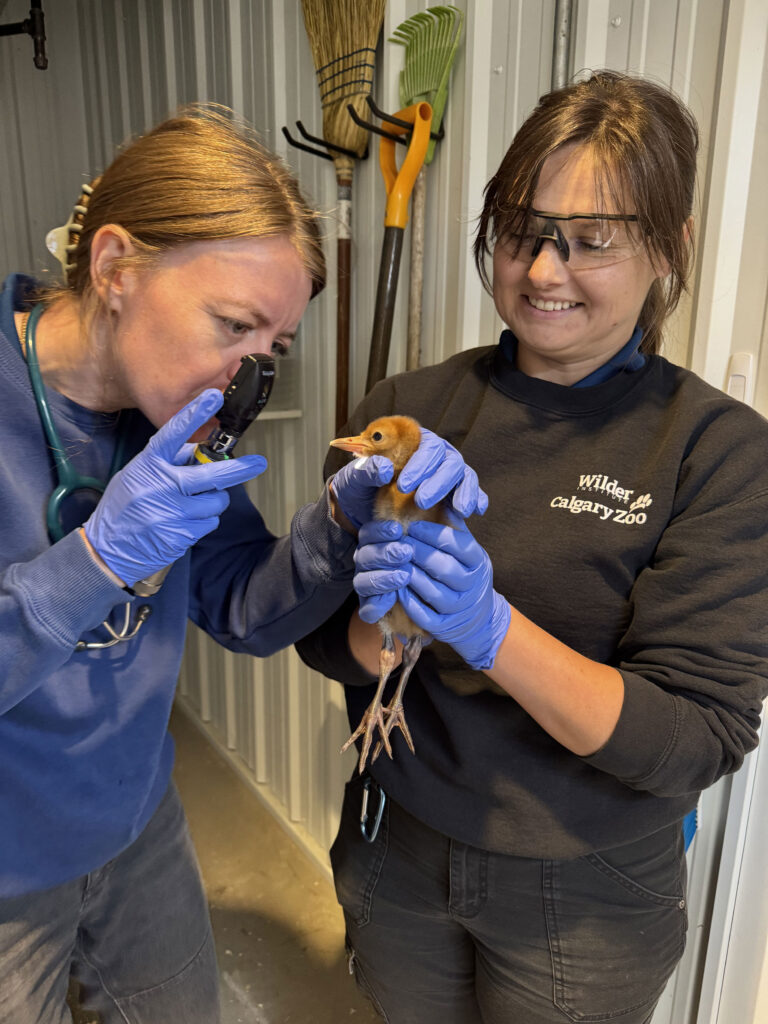
Science and Animal Care
Research and veterinary expertise along with animal welfare and wellbeing help strengthen conservation efforts.
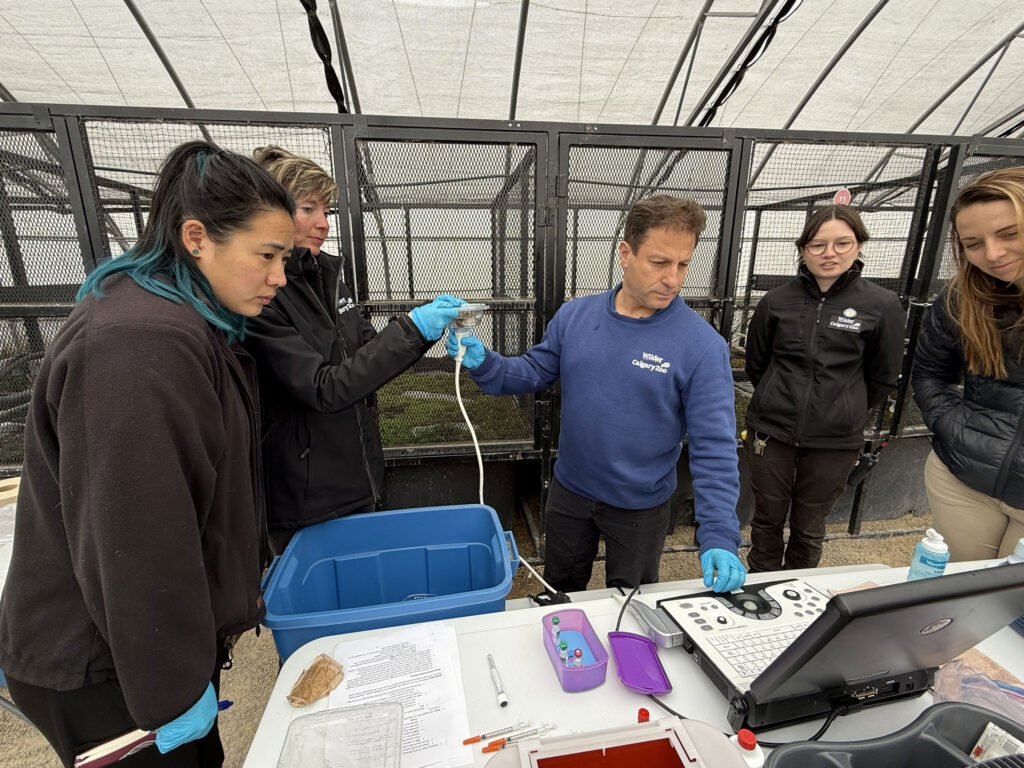
Purpose-Built for Recovery
This one-of-a-kind facility located on 333 acres of land in Wheatland County, represents the best of what conservation charities are capable of. This secluded, protected environment supports sensitive breeding and species recovery. It also serves an important support role to the Wilder Institute’s Calgary Zoo operations as a temporary home for many animals.
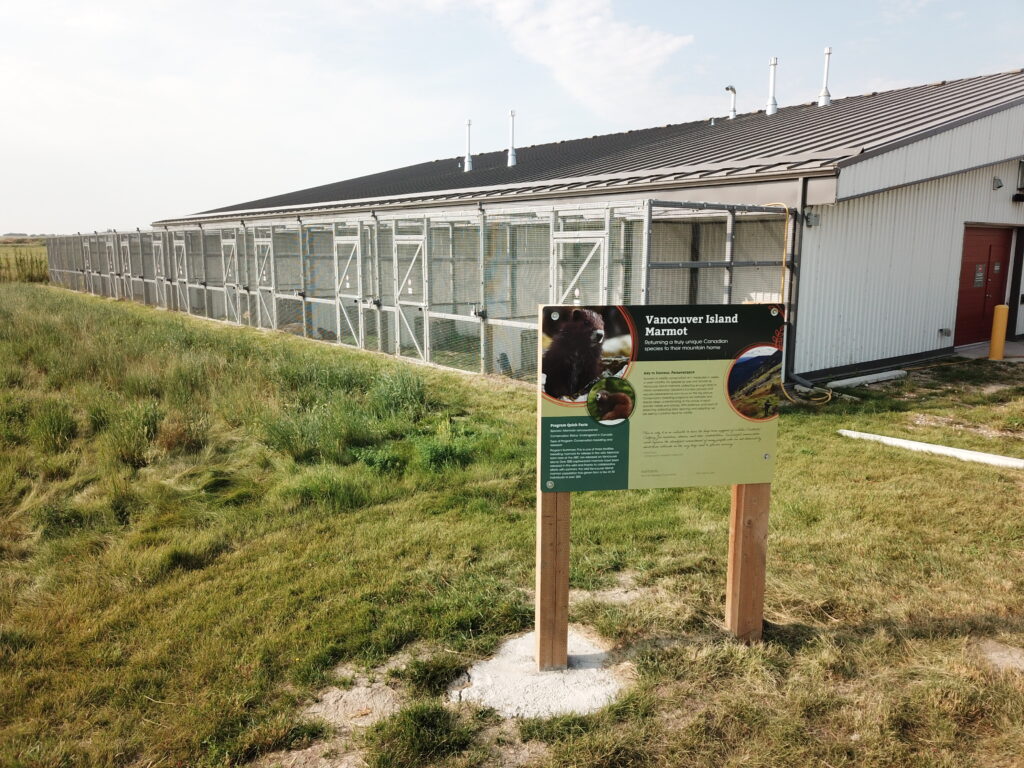
Preparing Species for the Wild
Specialized programs support successful reintroduction efforts, bringing these animals back to the wild.
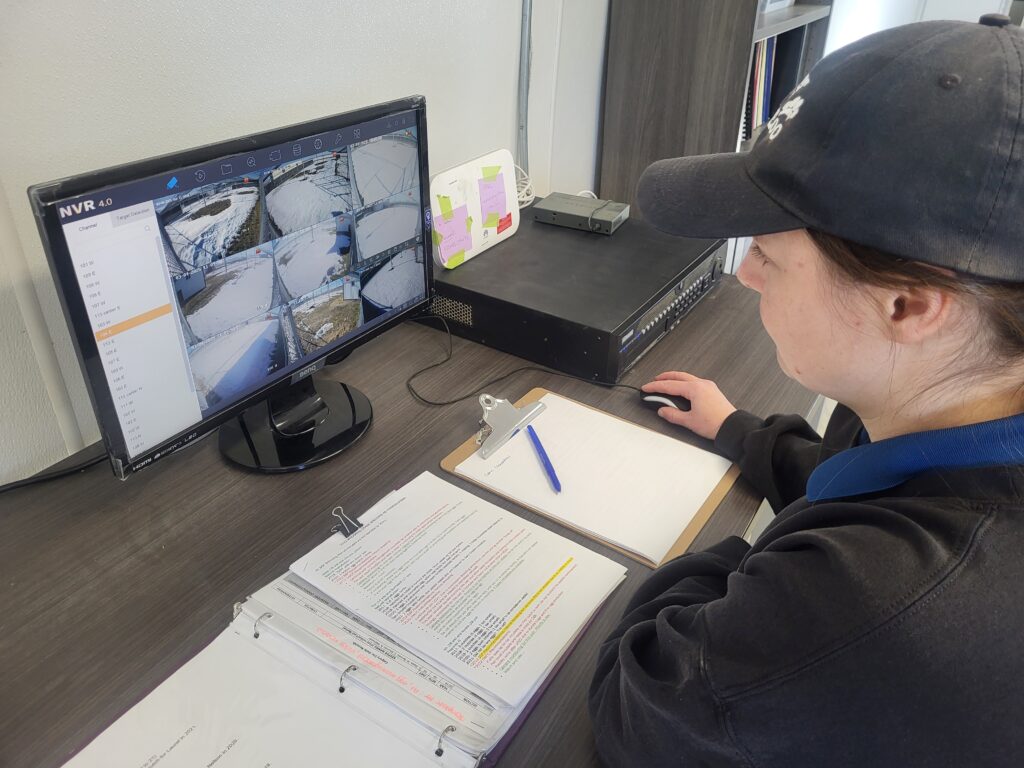
Advancing Recovery Worldwide
The centre expands what’s possible for species recovery in Canada and beyond.
Species We Support
Learn about the animals at the heart of our recovery efforts and how we’re supporting their future in the wild.
Burrowing Owl
- Least Concern
Region
For thousands of years, burrowing owls have been a part of grassland ecosystems in southern Alberta and Saskatchewan. They migrate each year to Mexico and the southern United States, although not all return in the spring to Canadian prairies.
Habitat
Burrowing owls live in open, dry grasslands with low vegetation. They rely on burrows created by mammals like badgers, ground squirrels, swift foxes, coyotes, and prairie dogs. They require grazed landscape to maintain the short grass they need for nesting and hunting.
Vancouver Island Marmot
- Critically Endangered
Region
This species is found only on Vancouver Island, British Columbia. Canada holds 100% of the global population, making its survival a Canadian conservation priority shared across communities and conservation partners.
Habitat
Vancouver Island marmots live in alpine and subalpine meadows on mountainous terrain. They rely open meadow habitat maintained by avalanche cycles, with native vegetation for feeding and burrows or rock piles for escape from predators. Deeper burrows called hibernacula, dug below the frost line, are used for hibernation.
Northern Leopard Frog
- Least Concern
Region
Northern leopard frogs inhabit wetlands across North America, but the endangered Rocky Mountain population survives only in southeastern British Columbia. Recovery and reintroduction efforts are focused on the species’ historical range in the Kootenay region.
Habitat
Northern leopard frogs depend on healthy wetlands, including marshes, ponds, floodplains, and slow-moving waterways. They require connected aquatic and terrestrial habitats for breeding, feeding, overwintering, and migration, making them especially sensitive to environmental changes and habitat loss.
Whooping Crane
- Endangered
Region
The world’s only naturally occurring population breeds in the wetlands of Wood Buffalo National Park (WBNP) in Northern Canada. Each winter, they migrate from Northern Canada and across North America to winter along the Gulf Coast of Texas, making their return to nesting grounds in the spring, a journey of 8000km.
Habitat
Whooping cranes depend on wetlands throughout their lifecycle, including shallow breeding marshes, coastal wintering habitats, and stopover ponds critical to migration. These ecosystems provide them with nesting areas, food sources, shelter, and safety for raising their young.
Greater Sage-Grouse
- Vulnerable
Region
In Canada, the greater sage-grouse is found in southeastern Alberta and southwestern Saskatchewan within the Mixed Grassland Ecoregion. These remaining populations only occupy a small part of the species’ historical range.
Habitat
Greater sage-grouse depend on native sagebrush grasslands within Canada’s mixed-grass prairie ecosystem. Silver sagebrush provides them with year-round food and shelter, and intact grasslands support nesting, brood-rearing, wintering, and breeding grounds known as leks.
Global Impact
The impact of the Archibald Biodiversity Centre extends beyond the animals cared for here. The research, conservation breeding expertise, and reintroduction techniques developed at the centre help inform recovery efforts elsewhere, with knowledge shared to support species conservation worldwide.
Our Founder's Circle
The Wilder Institute’s Archibald Biodiversity Centre is made possible through the support of visionary donors and community partners.
The Archibald Biodiversity Centre is not open to the public. The ongoing operation of the centre would not be possible without continued investment from our community partners.
Thank you to our donors
The ABC wouldn’t be possible without a generous donation by Don Archibald and family, who helped support the development and construction of the facility.

Support the Archibald Biodiversity Centre
Help support the science, care, and breeding programs that give endangered species a stronger chance of recovery.