

Madagascar’s lemurs are found nowhere else in the world, yet many species are now at risk due to widespread forest loss and fragmentation. The greater bamboo lemur, aye-aye, and black-and-white ruffled lemur each play unique ecological roles that help maintain healthy forests and biodiversity across the island’s Kianjavato region.
The greater bamboo lemur and black-and-white ruffled lemur are listed as Critically Endangered, and the aye-aye is listed as Endangered. Habitat loss, fragmentation, and hunting continue to threaten all three species.
These lemurs depend on Madagascar’s tropical forests, including rainforest corridors, bamboo thickets, and canopy habitats. Healthy forests are essential for feeding, nesting, and movement between populations.
These species are found in eastern and southeastern Madagascar, including the Kianjavato region, which is one of five remaining areas where the greater bamboo lemurs persist.
Habitat loss and forest fragmentation driven by agriculture, logging, and human development.
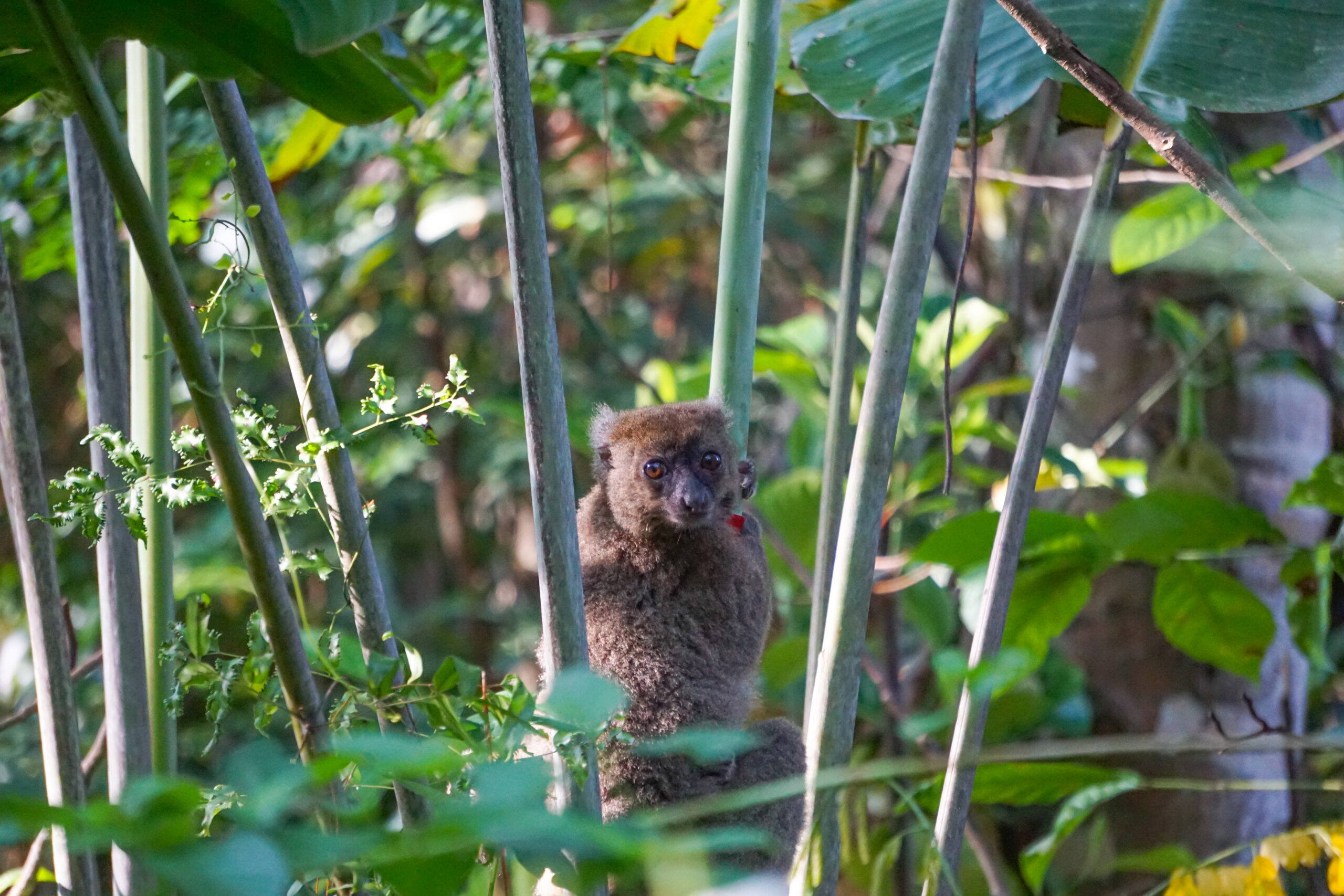
Three remarkable lemur species are found only in Madagascar: the greater bamboo lemur, the aye-aye, and the black-and-white ruffled lemur. These primates help sustain local forest ecosystems through seed dispersal and insect control.
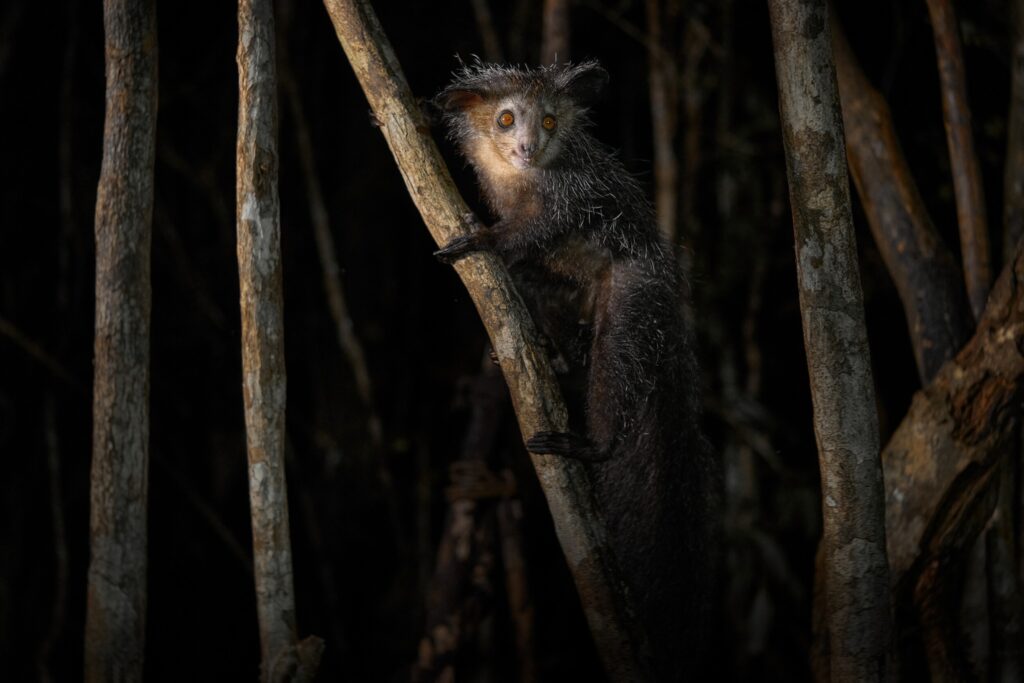
The greater bamboo lemur is a specialized bamboo-eating primate. The aye-aye is the world’s largest nocturnal primate. The black-and-white ruffled lemur is one of the world’s largest pollinators; as they eat, pollen sticks to the ruffs of fur around their faces and gets transported from tree to tree.
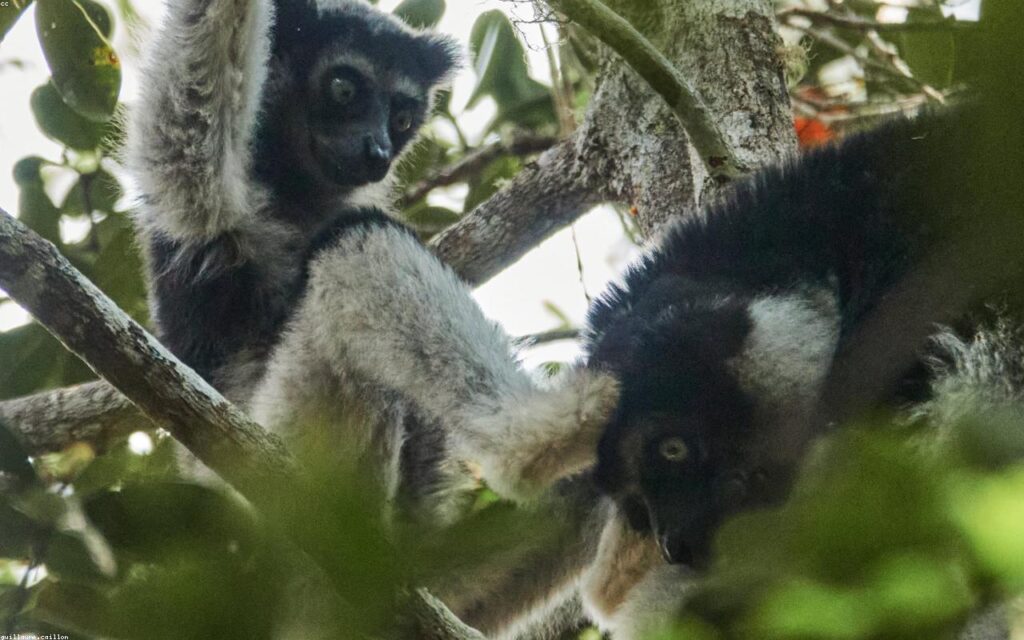
These lemur species inhabit tropical forests across eastern Madagascar, including rainforest fragments surrounding the Kianjavato region. Many remaining populations survive in isolated patches of forest separated by agriculture and human settlement.
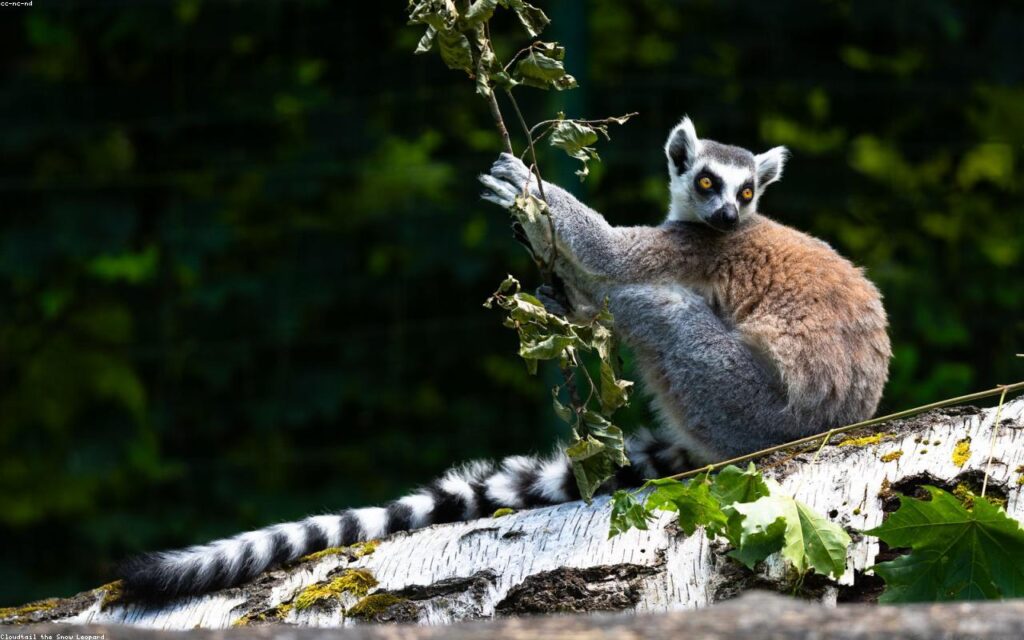
Greater bamboo lemurs have dense grey-brown fur, and can safely consume large amounts of bamboo lethal to most mammals. Aye-ayes have large ears and an unusually long middle finger used to tap and extract insects from trees. Black-and-white ruffled lemurs are known for their thick coats, distinctive neck ruffs, and long tails that help them balance.
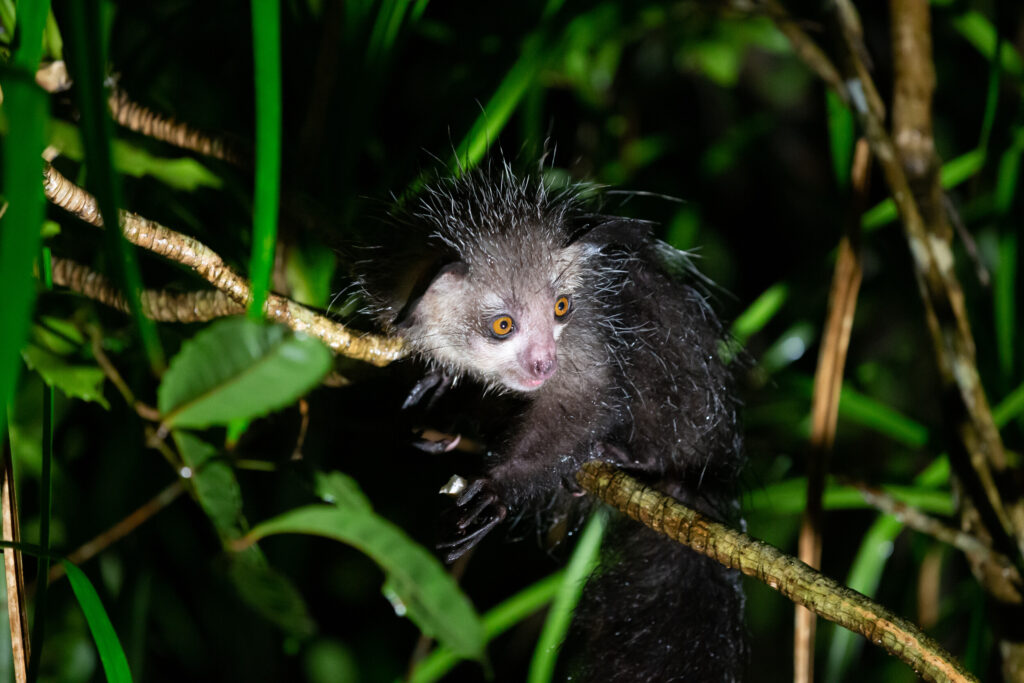
Each of these lemur species fills a distinct ecological role. Greater bamboo lemurs shape bamboo forests through feeding, aye-ayes help control wood-boring insects, and black-and-white ruffled lemurs support rainforest regeneration through pollination and seed dispersal.
Lemurs are critical to Madagascar’s unique forest ecosystems. By dispersing seeds and pollinating plants, they help forests regenerate naturally and maintain biodiversity. Protecting lemurs means protecting the water systems and livelihoods for local communities that depend on healthy forests.
Madagascar has lost much of its forests, leaving lemur populations isolated in small habitat fragments. Slash-and-burn agriculture, illegal logging, mining, and expanding human development continue to reduce habitat availability. Greater bamboo lemurs are especially vulnerable because they rely on bamboo forests, while black-and-white ruffled lemurs are impacted by the loss of fruit trees. In addition to habitat loss, aye-ayes also face persecution due to harmful myths that associate them with bad luck.
From 2017 to 2024, the Wilder Institute collaborated on community-based conservation and reforestation efforts in Kianjavato, Madagascar. Working alongside the Madagascar Biodiversity Partnership (MBP), the University of Calgary and local communities, we supported habitat restoration efforts benefiting both wildlife and people, long-term lemur monitoring and locally grounded livelihood development. In our final phase, we shifted our focus towards strengthening MBP’s organizational and local leadership capacity. This initiative has now concluded and recognized as a Wilder Institute legacy program.
Wilder Institute supported the Andalamahitsy Nursery – one of 20 MBP-managed tree nurseries in the region which produced over 400,000 tree seedlings. A dedicated team collected endemic seeds from lemur droppings to ensure planting supported lemur-friendly habitat restoration. MBP’s broader reforestation program planted nearly 7 million trees to reconnect fragmented forests across the Kianjavato region. These community-led tree planting efforts reconnected fragmented forests and helped create future habitat corridors allowing lemur populations to move and increase across the landscape.
Local field team alongside University of Calgary graduate students radio-tracked black-and-white lemur populations across three sites, monitoring their behaviour, diet, range and social dynamics. This work contributed to over a decade of data – one of the most comprehensive datasets for any lemur species and – and contributed to at least 10 graduate thesis projects and well as co-authored research publications. Additionally, habitat conditions and forest use and integrity was continuously monitored to better understand species recovery needs and guide conservation action.
Reforestation efforts restore degraded forest areas while protecting remaining habitat essential for lemurs to feed, nest, and move between populations.
More than 100 local women, particularly single mothers earned income through seed preparation and tree planting as employees at community tree nurseries. Community members also participated in a Conservation Credits program which provided further household and livelihood incentives for restoration efforts.
Learn more about supporting lemur conservation through reforestation and community-led conservation programs.
The Kianjavato Lemur & Reforestation Initiative was a community-based conservation program that combined reforestation, lemur monitoring, and livelihood development in southeastern Madagascar. Working with the Madagascar Biodiversity Partnership, the University of Calgary, and local communities, the Wilder Institute supported habitat restoration and long-term lemur monitoring while strengthening organizational and local leadership capacity needed to sustain this work into the future.
The program was based in Kianjavato of southeastern Madagascar – one of only five remaining areas where greater bamboo lemurs persist. Lemur populations in the region were confined to small, isolated forest fragments surrounded by agriculture and human settlements, with little connectivity between them.
1
1 Wildlife Institute-supported tree nursery (Calgary Zoo Andalmahitsy) as part of a network of 20 MBP-managed community tree nurseries established in Kianjavato
100+
100+ local women supported through conservation employment
7m
Nearly 7 million trees planted through MBP’s wider reforestation program, including 400,000+ seedlings from the Andalmahitsy nursery
Greater bamboo lemurs, aye-ayes, and black-and-white ruffled lemurs are found across Madagascar’s eastern rainforest regions, including fragmented forests in southeastern Madagascar.
Help restore forests and protect Madagascar’s endangered lemurs.
Support conservation programs that restore habitat, reconnect forests, and strengthen long-term recovery efforts for lemurs and other wildlife.
Help protect biodiversity while supporting sustainable livelihoods for local communities in Madagascar.
Explore monthly giving and partnership opportunities that support forest restoration and species conservation.