

The Cross River Gorilla Initiative is building the next generation of community-rooted conservation leaders in West Africa. This program combines graduate research support, knowledge exchange, and cross-border partnership to protect one of the world’s most critically endangered primates.

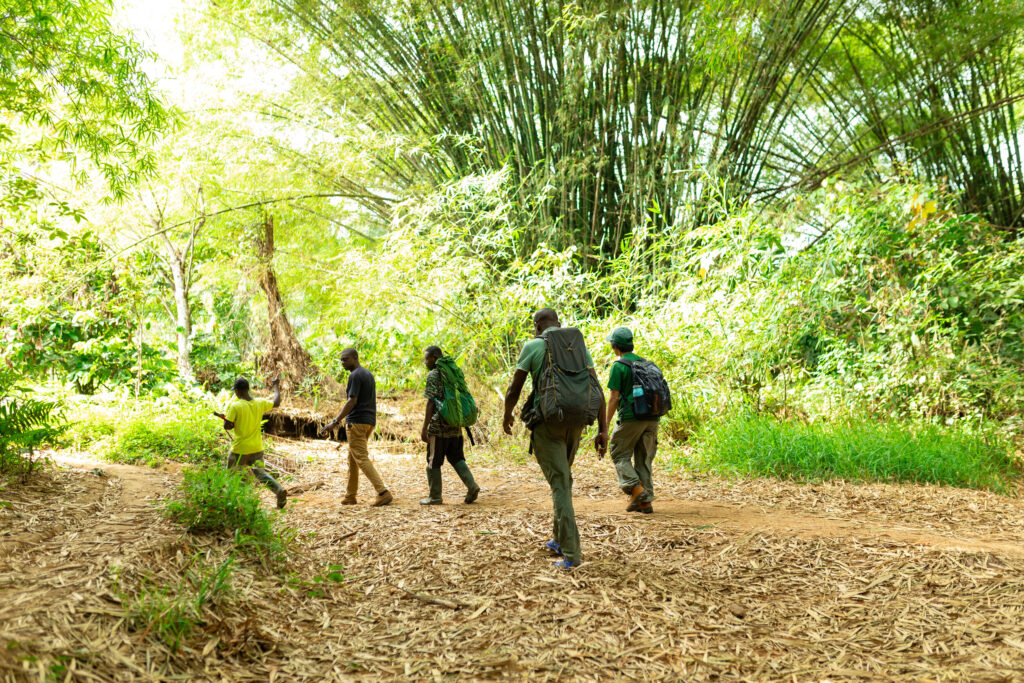
In collaboration with the Nigerian Conservation Foundation, who work with the University of Calabar, the Wilder Institute supports a graduate scholarship program focused on Cross River gorilla conservation. Graduate students conduct field research relevant to gorilla recovery, engage with forest communities, and collaborate with conservation practitioners, such as the Centre for Biodiversity Conservation Research in Ghana to support student development through knowledge sharing and building locally grounded expertise that can drive lasting change.
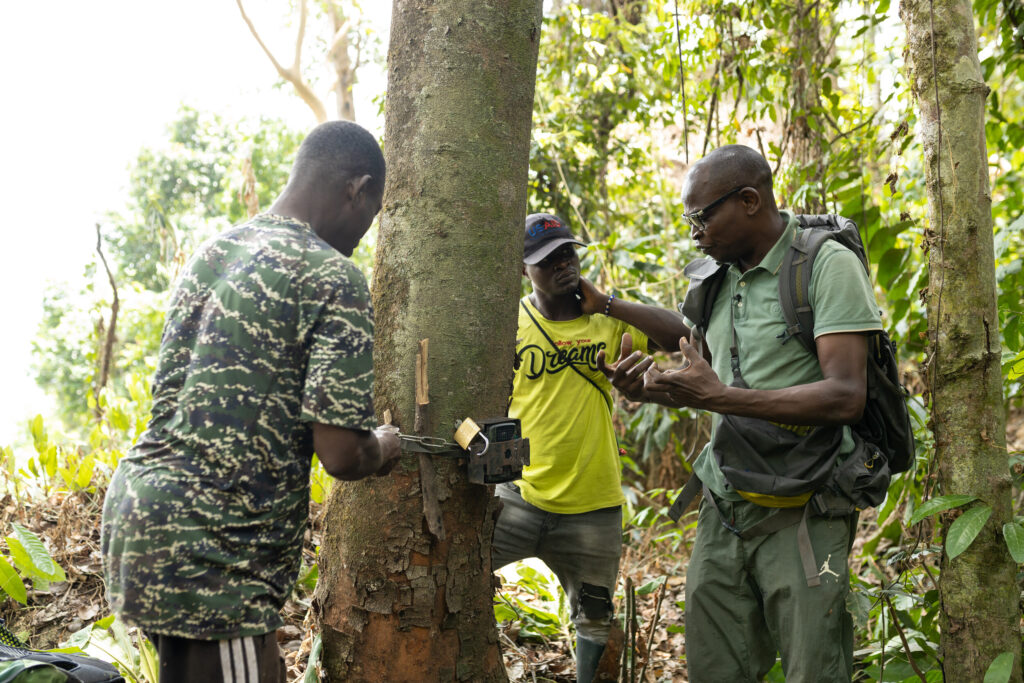
The program operates across the highland forests along the Nigeria-Cameroon border, where Cross River gorillas live. The research of five students takes place in the Afi Mountain Wildlife Sanctuary, and one student work takes place at the Mbe Mountains Community Forest. Academic and knowledge-exchange work takes place at the University of Calabar in Cross River State, Nigeria.
This initiative aims to advance the conservation of the Cross River gorilla by investing in the researchers and the informed conservation practitioners who are best positioned to protect it. Including those rooted in the communities, landscapes, and political contexts where the work needs to happen. By supporting graduate research and facilitating community engagement, the program invests in the development of future conservation champions of the species to address the Cross River gorilla’s conservation challenges.

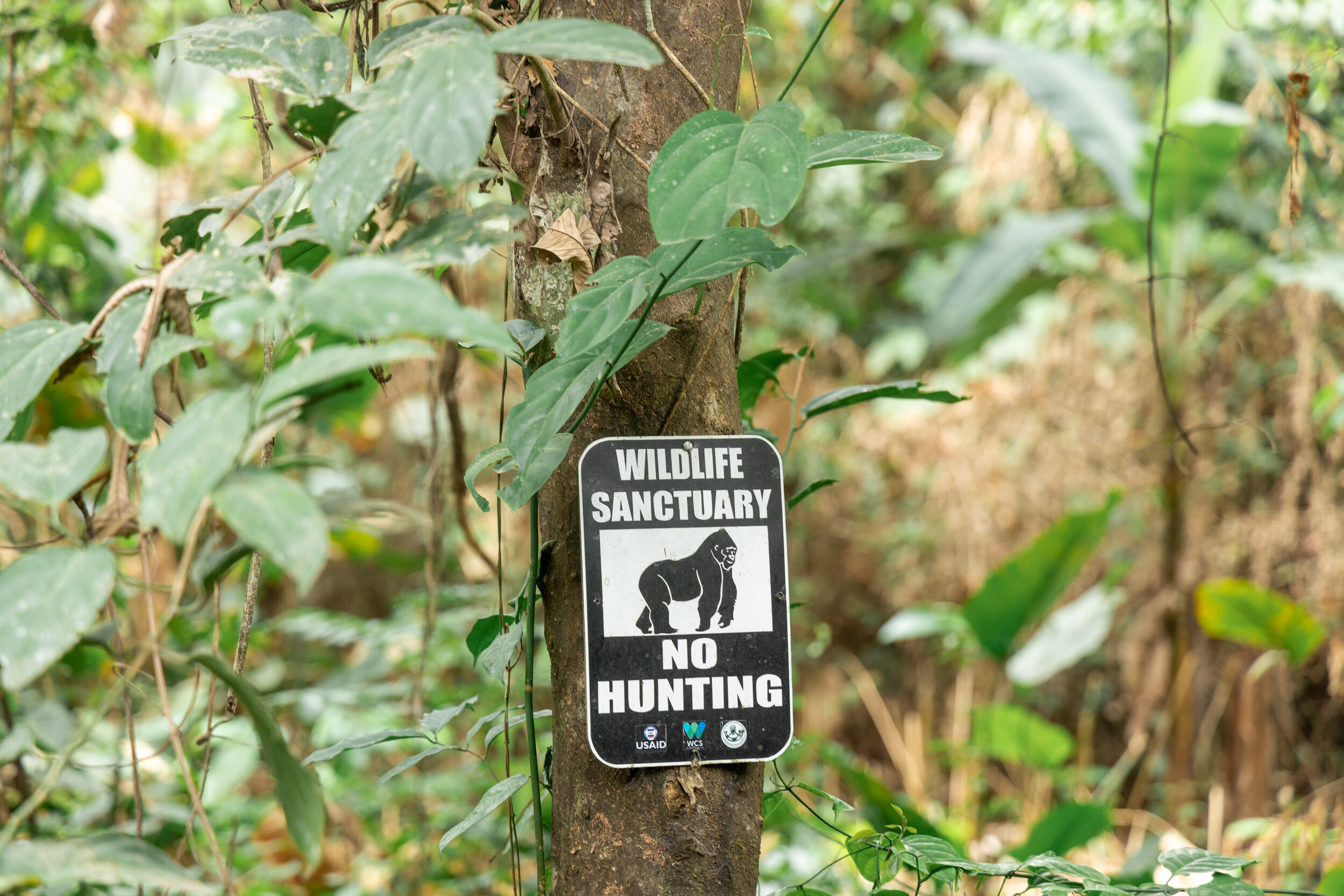
There are fewer than 300 Cross River gorillas in the wild across fragmented forest patches in Nigeria and Cameroon. Habitat loss and hunting have accelerated their decline. The species’ small numbers, spread across rugged terrain, combined with their wariness of humans has made population research difficult.
Cross River gorillas are found along the border of Nigeria and Cameroon, across an area of roughly 3,000 square miles. They’re scattered across isolated groups in a wide and fragmented landscape.
These gorillas inhabit rugged highland forests, including lowland montane and rainforest ecosystems. Dense vegetation and remote terrain offer them shelter, but fragmented habitats make it difficult for populations to connect and grow.
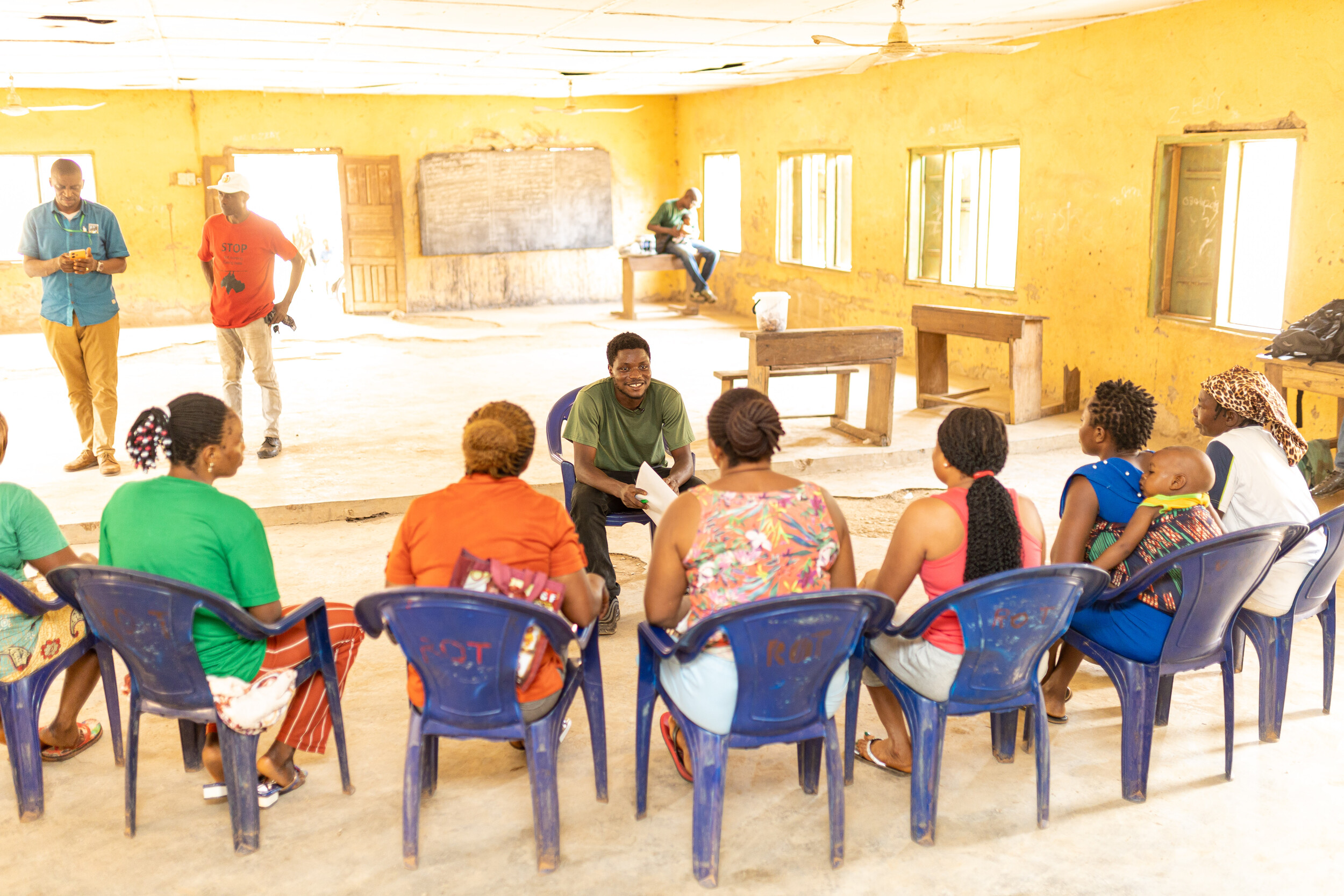
The Wilder Institute is focused on building local conservation capacity and facilitating community engagement. By supporting graduate students and enabling knowledge exchange between Ghanian and Nigerian community, partners and collaborators, and the wider Cross River Gorilla conservation network, we’re improving the effectiveness of local leaders that work with communities to protect their land, natural resources, and livelihoods.
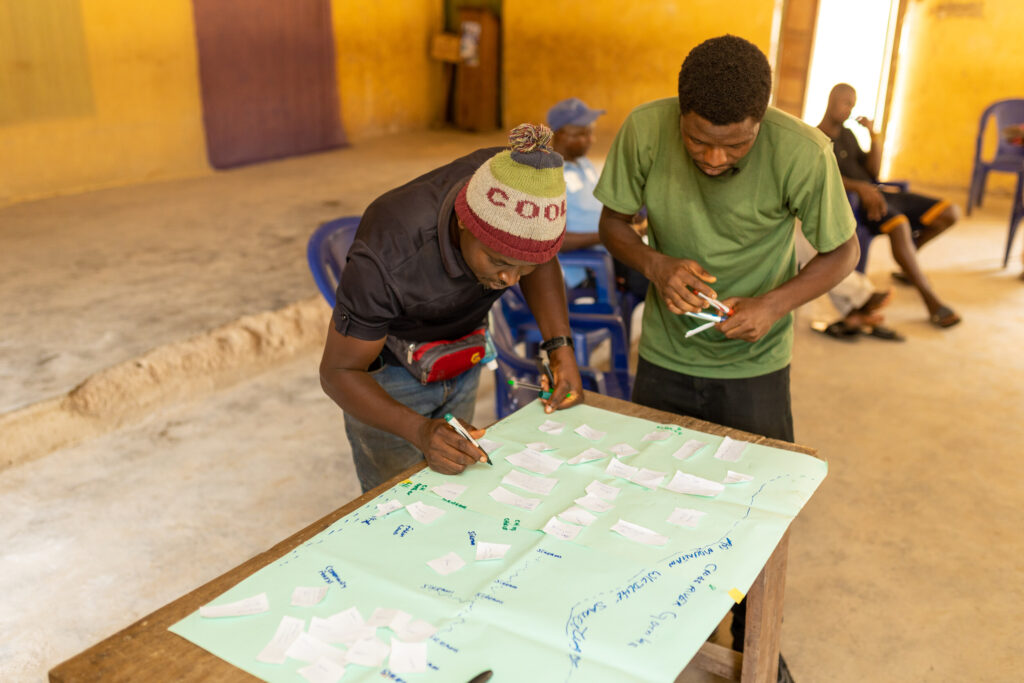
The Cross River Gorilla Initiative is investing in researchers, community partners, and cross-border knowledge sharing to support long-term gorilla recovery and provide opportunities for the conservation leaders of tomorrow. To date, four of six supported graduate students have completed their programs – two with distinction from the University of Calabar – each conducting gender-responsive, community-based conservation research across approximately 25 forest communities that share habitat and resources with gorillas. Students and conservation partners have participated in workshops exploring the role of gender in land use and conservation. In Ghana, study tours introduced the Community Resource Management model – a proven governance approach that supports both livelihoods and conservation outcomes.
In the forests of Cross River State, gorilla conservation and community wellbeing are deeply connected. This initiative is designed to ensure that the people who share a landscape with the gorilla are invested in their future and equipped to work together to protect them.
The graduate scholarship program creates opportunities for the next generation of conservation leaders. Their research is designed to engage forest communities in ways that support, rather than compete with, their livelihoods.
Student research has uncovered numerous ways in which livelihoods intersect with gorilla conservation and is providing insight that can be used to design conservation and sustainable livelihood programs to support gorillas and their habitat long into the future.
Graduate students supported through the initiative conduct research that directly engages forest communities – building local awareness, fostering community support for gorilla protection, and creating pathways for community members to participate in conservation.
The Wilder Institute works with several Nigerian and Ghanaian colleagues. A Program Advisory Committee (PAC) which includes representation from these program partners as well as from forestry, parks and community associations. This Committee and other important partnerships allow us to combine scientific expertise, governance, local knowledge, and proven community conservation practices across countries.
Students from these areas who are supported by the program are also empowered to conduct community-based conservation and engagement with forest communities which facilitates local support and community benefits as a result of protecting the Cross River gorilla and its habitat.
Cross River gorilla conservation requires collaboration across communities and disciplines. Our partnerships bring together academic institutions, local expertise, governance bodies, and conservation practitioners – because no organization can recover a critically endangered species alone.
Learn more about how we’re building One Wild Future.
Help us invest in the conservation leaders supporting one of the world’s rarest primates.
Fund the community partnerships working to secure a future for the Cross River gorilla.
Partner with us to build conservation capacity and protect endangered species in West Africa.
Get updates from the Cross River Gorilla Initiative as the program continues to develop.