

Whooping crane recovery is an international conservation success story – but it is unfinished. From a global low of 21 birds, the population has grown to over 800. It remains endangered, and continued action across borders, communities, and generations is required for long-term, sustainable recovery.

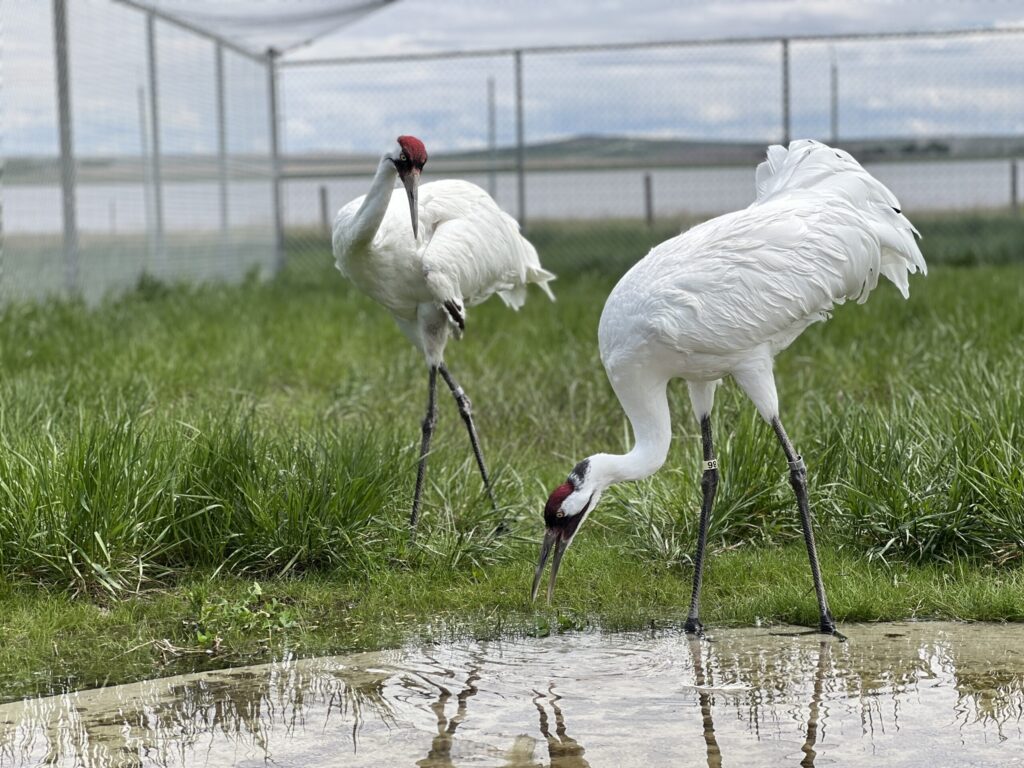
Since 1992, the Wilder Institute has operated Canada’s only conservation breeding program, hatching and raising genetically diverse chicks for release into reintroduced wild populations and for participation in conservation breeding programs. We are working with First Nations and Métis communities to ensure recovery actions reflect the knowledge and values of the people who have long been stewards of the whooping crane and the lands they live on.
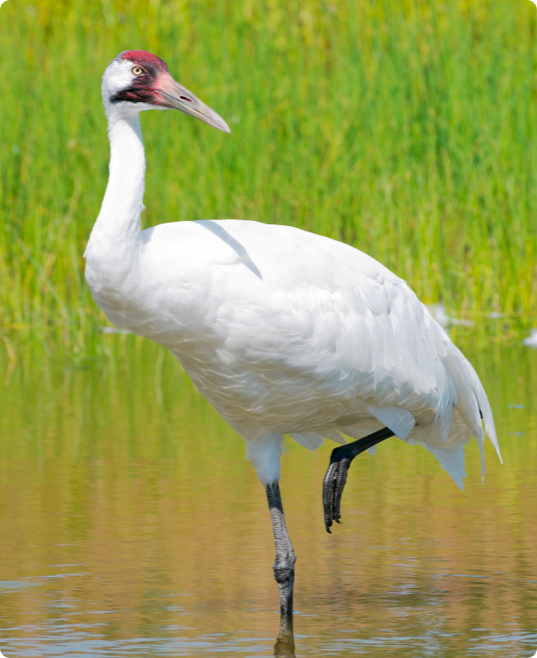
Conservation breeding takes place at the Wilder Institute’s Archibald Biodiversity Centre, where up to 20 cranes are housed in our breeding flock. Field research extends to Wood Buffalo National Park in the Northwest Territories and Northern Alberta, home to the world’s only naturally occurring wild population. Our cross-sector approach is strengthened through collaboration with partners across Canada and North America.
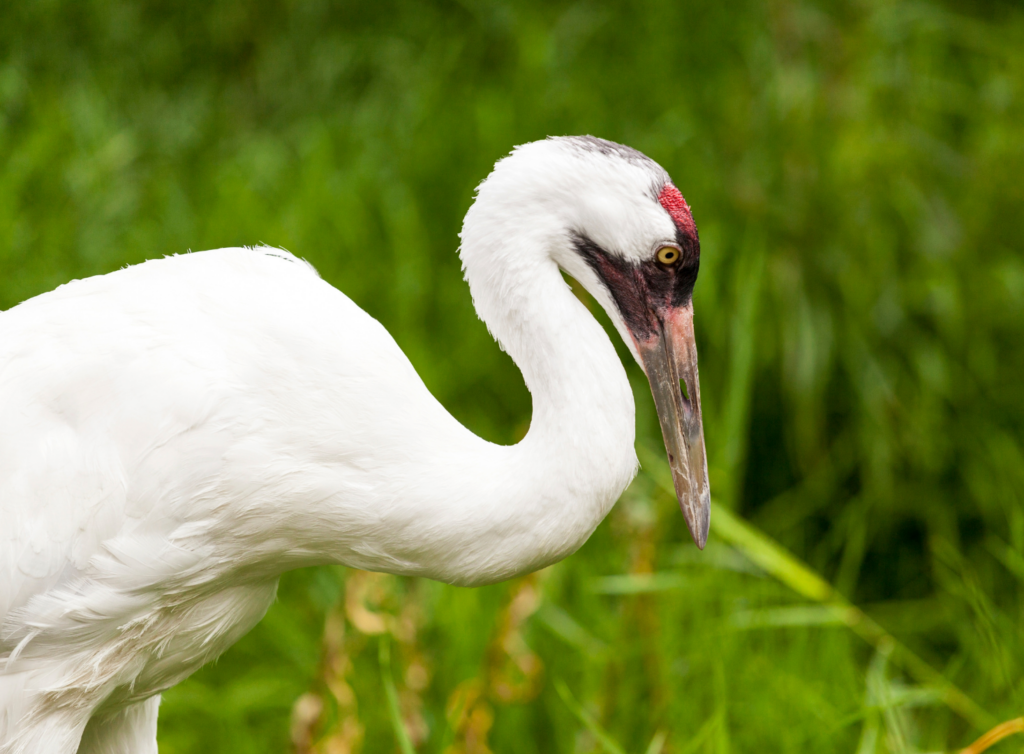
Whooping crane conservation reflects both ecological value and a moral and legal responsibility to prevent human-caused extinction. The program’s goal is to grow and diversify wild populations through the release of conservation-bred cranes, improve reintroduction success through targeted research, and ensure recovery actions are grounded in the knowledge of the Indigenous communities who are the traditional stewards of the land.

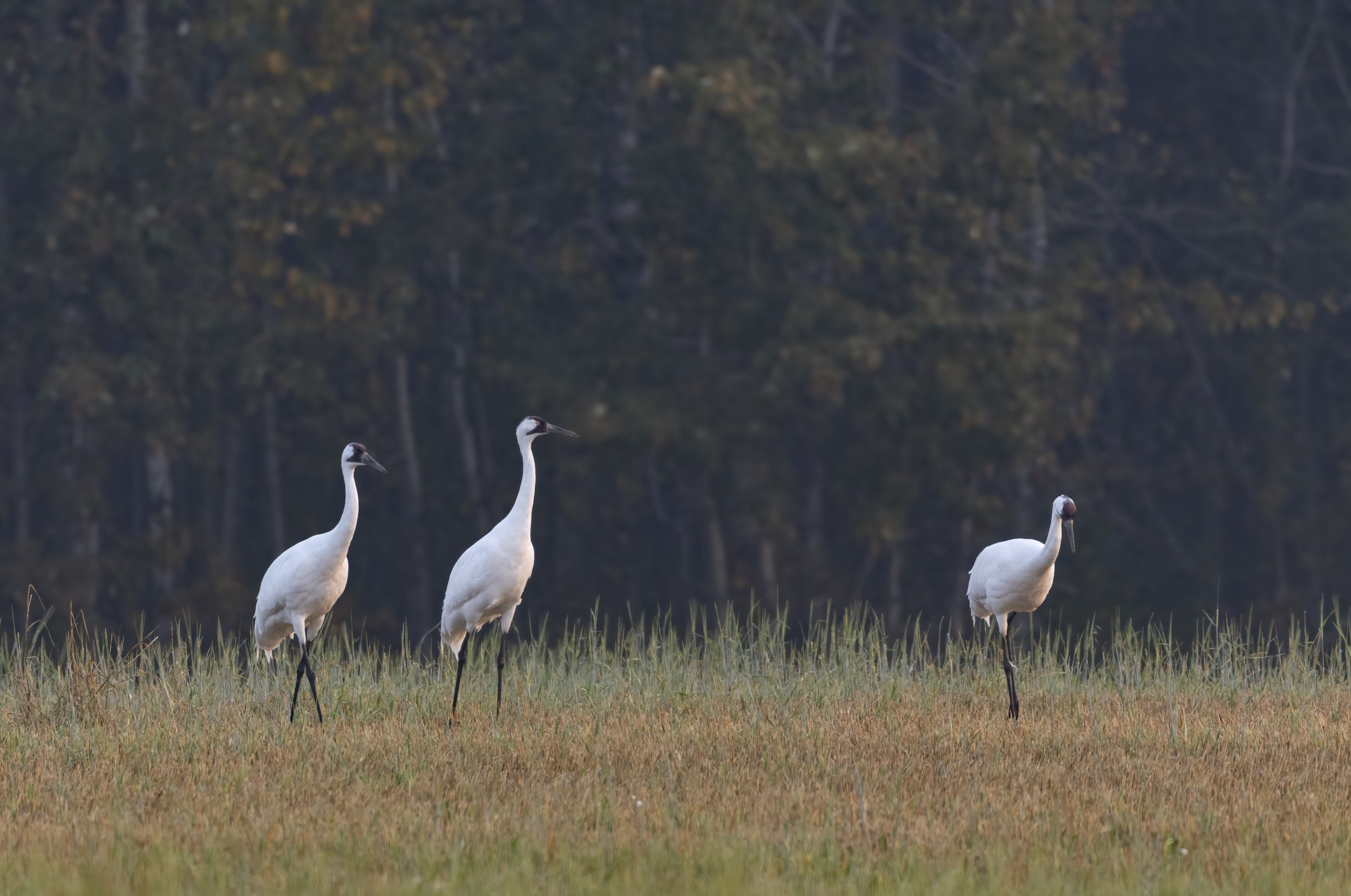
In the 1940s, whooping cranes were at the brink of extinction, dropping to a low of 21 birds. While collaborative efforts have brought this species back from the brink, there are only 834 whooping cranes alive globally. The species remains endangered and deeply vulnerable. Habitat loss along their migratory corridors and wintering grounds, low reproductive output, infertility in breeding pairs, emerging diseases, and the risks of industrial activity all continue to threaten their progress. While the whooping crane’s recovery has been remarkable, it is not yet secure.
The world’s only naturally occurring population breeds in the wetlands of Wood Buffalo National Park (WBNP) in Northern Canada. Each winter, they migrate from Northern Canada and across North America to winter along the Gulf Coast of Texas, making their return to nesting grounds in the spring, a journey of 8000km.
Whooping cranes depend on wetlands throughout their lifecycle, including shallow breeding marshes, coastal wintering habitats, and stopover ponds critical to migration. These ecosystems provide them with nesting areas, food sources, shelter, and safety for raising their young.
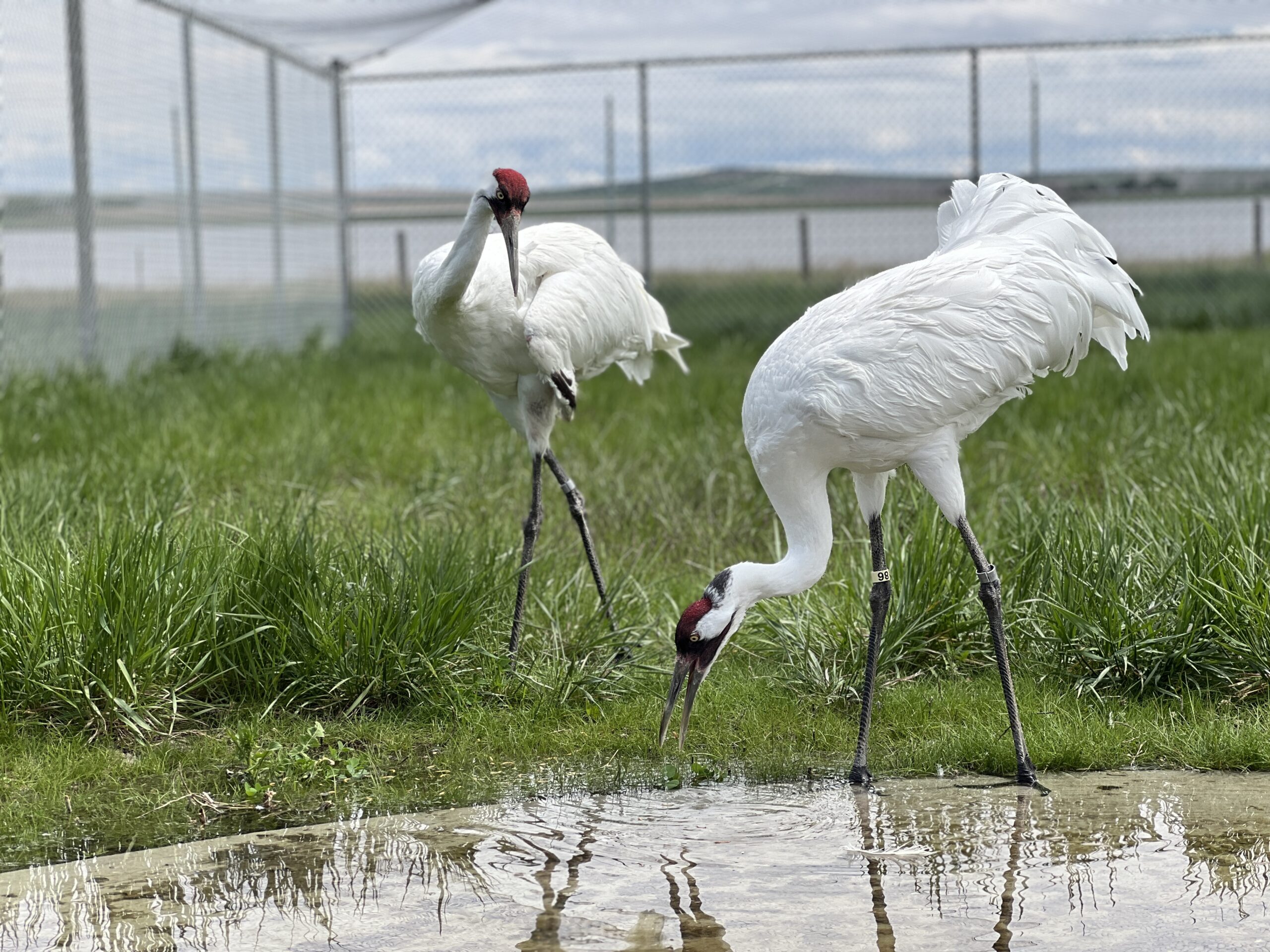
Our program operates across interconnected recovery areas: conservation breeding at the Wilder Institute’s Archibald Biodiversity Centre; field research at nesting grounds in Wood Buffalo National Park; inclusive conservation built on relationships with Indigenous communities in the South Slave Region; and industry collaboration to reduce crane mortality during migration. Each strand weaves together, reflecting what long-term species recovery can look like.
From 21 individuals in the 1940s to 834 today, whooping crane recovery is one of the greatest North American conservation achievements. The Wilder Institute has been a part of that effort for over three decades, contributing chicks, research, and facilitating partnerships that continue to shape the species’ future.
>800
From approximately 220 individuals total in 1992, to over 800 today
56
56 chicks produced under conservation breeding program
>100
Over 100 live eggs produced and transported to partners for rearing/release under conservation breeding program
From managing breeding pairs for genetic diversity to releasing birds into wild populations thousands of kilometres away, the Wilder Institute carefully plans whooping crane recovery at every stage, and are part of the international Whooping Crane Recovery Team. Each step of our process is shaped by decades of hands-on experience, ongoing research, and a deep commitment to species recovery.
At the Wilder Institute’s Archibald Biodiversity Centre, we can house a flock of up to 20 whooping cranes. Here, we select breeding pairs to maximize genetic diversity and have successfully hatched 56 chicks.
Chicks hatched under our care are transferred to partners for release into reintroduced populations, such as the Eastern Migratory and the Louisiana Non-Migratory populations, or to bolster AZA SAFE populations under human care.
Nest cameras, water level loggers, audio recording units, and environmental sampling in Wood Buffalo National Park track nesting success, habitat conditions, and chick survival rates, informing long-term species recovery planning and supporting the success of conservation breeding flocks.
Our teams investigate several factors that impact reintroduction outcomes, such as infertility diagnostics research.
Whooping crane recovery spans two countries, dozens of organizations, and generations of sustained commitment. Our partnerships with Indigenous communities, conservation organizations, universities, and government agencies are what make a program of this scale possible, and Industry collaboration reduces crane mortality by addressing some of the threats that whooping cranes face.
Whooping crane conservation is about collaboration and we are grateful to work alongside the following partners:










Learn more about how we’re building One Wild Future.
Thirty years of work has helped us grow the whooping crane population from 21 to 834 and counting – help us continue our recovery efforts.
Fund the breeding, research, and partnerships that keep whooping crane recovery moving forward.
Recovery at this scale requires collaboration across sectors – explore partnerships and other ways to support the whooping crane.
Get the latest updates on one of Canada’s most iconic conservation programs.