

Northern leopard frogs, once widespread throughout interior British Columbia wetlands, , have suffered declines in Western Canada. The northern leopard frog’s Rocky Mountain population has declined to a single wild population in British Columbia. Disease, invasive species, habitat loss, and low genetic diversity are pushing it toward extinction.

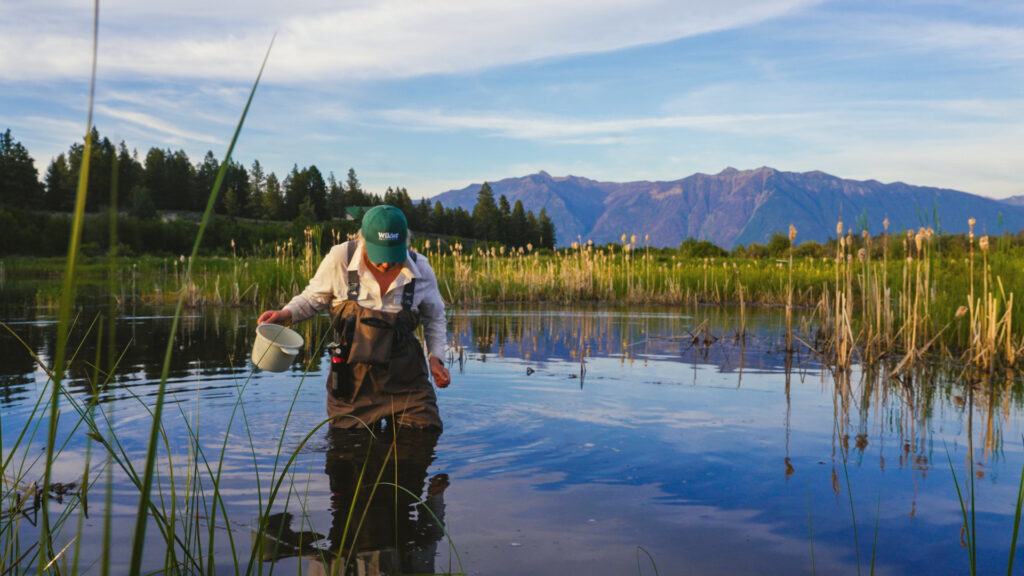
Since 2015, the Wilder Institute has been involved in northern leopard frog conservation in British Columbia through an integrated, multi-pronged approach of disease mitigation, fertility research, an assurance population under human care at the Archibald Biodiversity Centre, habitat improvements, and conservation translocations. The goal is to establish additional self-sustaining populations across interior British Columbia.
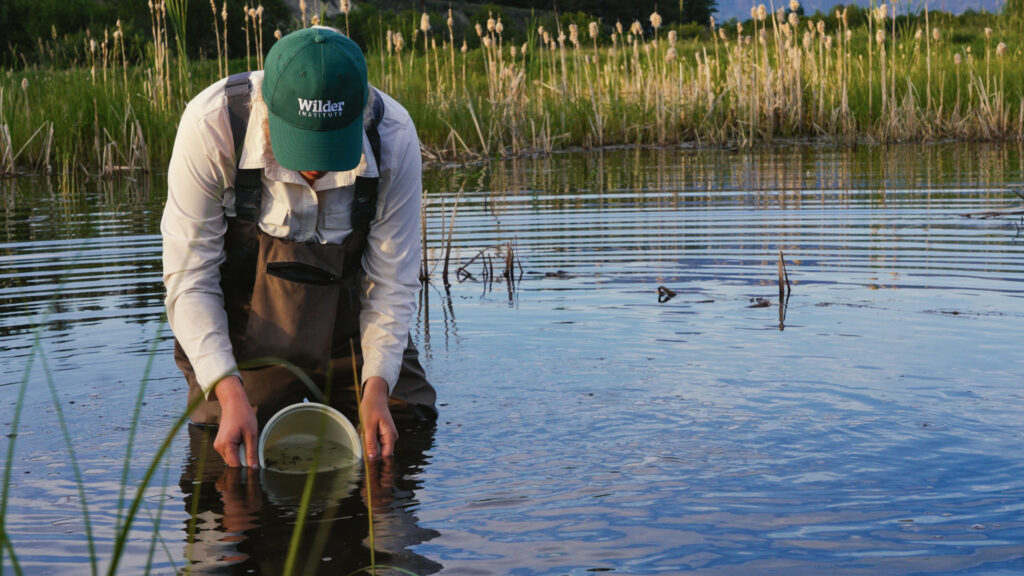
The northern leopard frog program operates across British Columbia’s wetland ecosystems. Conservation breeding takes place at the Archibald Biodiversity Centre, where the breeding population produced 6,737 tadpoles – alongside wild head-starting efforts that contributed 1,013 tadpoles in 2026. Reintroduction work is centred at Cherry Meadows, a Nature Conservancy of Canada property, and Sparrowhawk Farm, a private landowner relationship that exemplifies how farms and ranches are critical partners in finding suitable habitat for species at risk. The Wilder Institute joined the B.C. Northern Leopard Frog Recovery Implementation Team in 2012, allowing us to expand our conservation efforts and play a pivotal role in all provincial reintroduction and recovery activities.
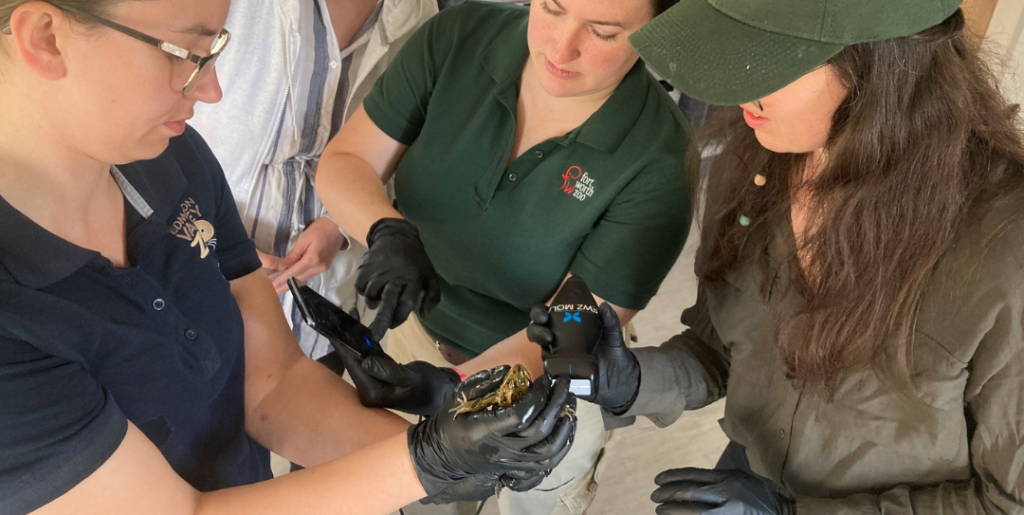
The program aims to establish multiple self-sustaining wild populations of northern leopard frogs in British Columbia, expanding the species’ range and protecting its genetic diversity. The science, tools, and partnerships developed in this program are already informing amphibian recovery efforts across Canada, building a scalable conservation model for wetland species facing similar threats.

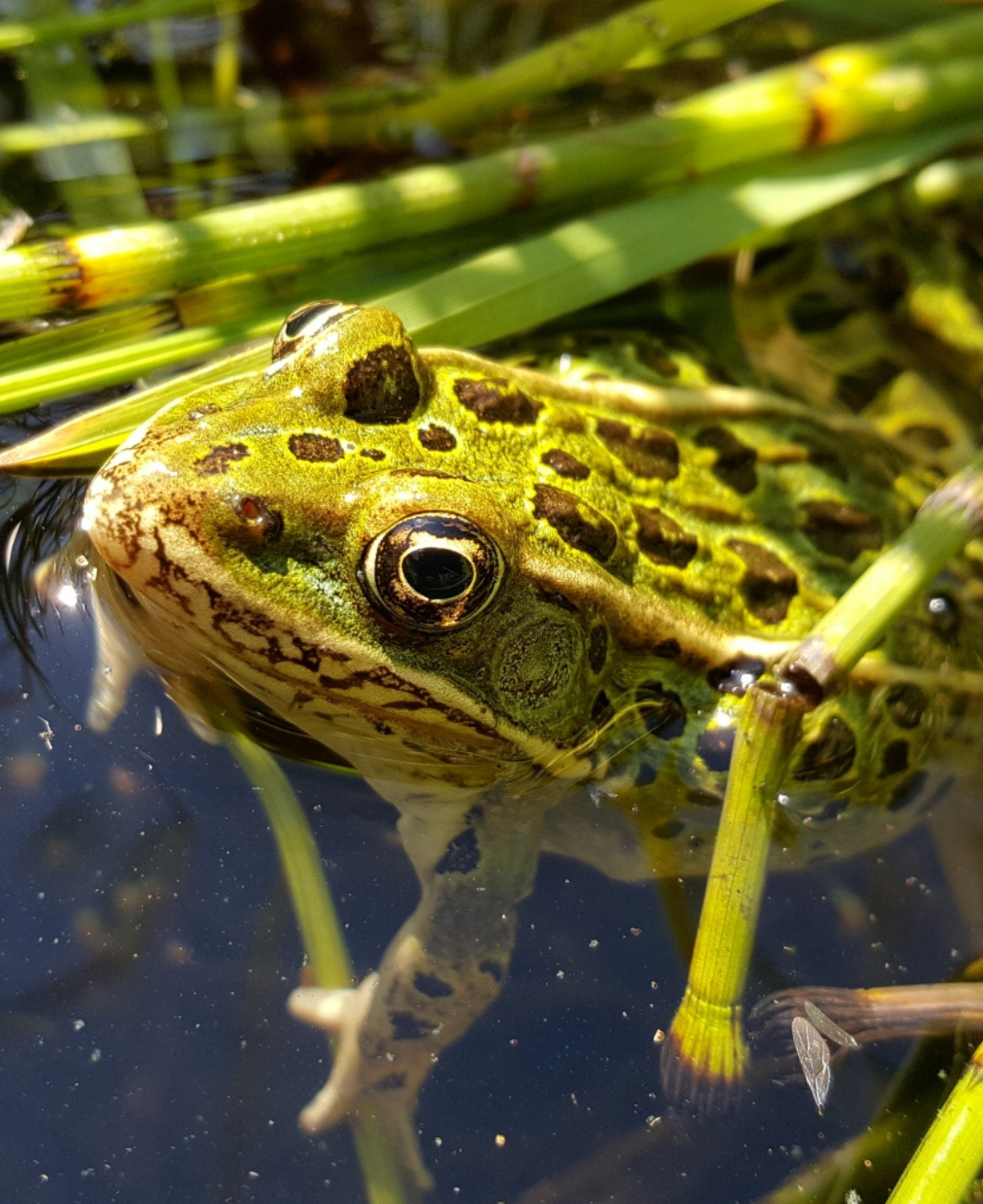
The Rocky Mountain population of the northern leopard frog is endangered, with only one natural population remaining – and it is struggling to survive. Habitat loss is shrinking the wetlands they depend on, invasive bullfrogs prey on them, chytrid disease threatens their survival, and low genetic diversity leaves the population increasingly fragile.
Losing them would mean more than just one species gone. It would mean weaker wetlands, less resilient ecosystems, and fewer natural safeguards for our communities.
Northern leopard frogs inhabit wetlands across North America, but the endangered Rocky Mountain population survives only in southeastern British Columbia. Recovery and reintroduction efforts are focused on the species’ historical range in the Kootenay region.
Northern leopard frogs depend on healthy wetlands, including marshes, ponds, floodplains, and slow-moving waterways. They require connected aquatic and terrestrial habitats for breeding, feeding, overwintering, and migration, making them especially sensitive to environmental changes and habitat loss.
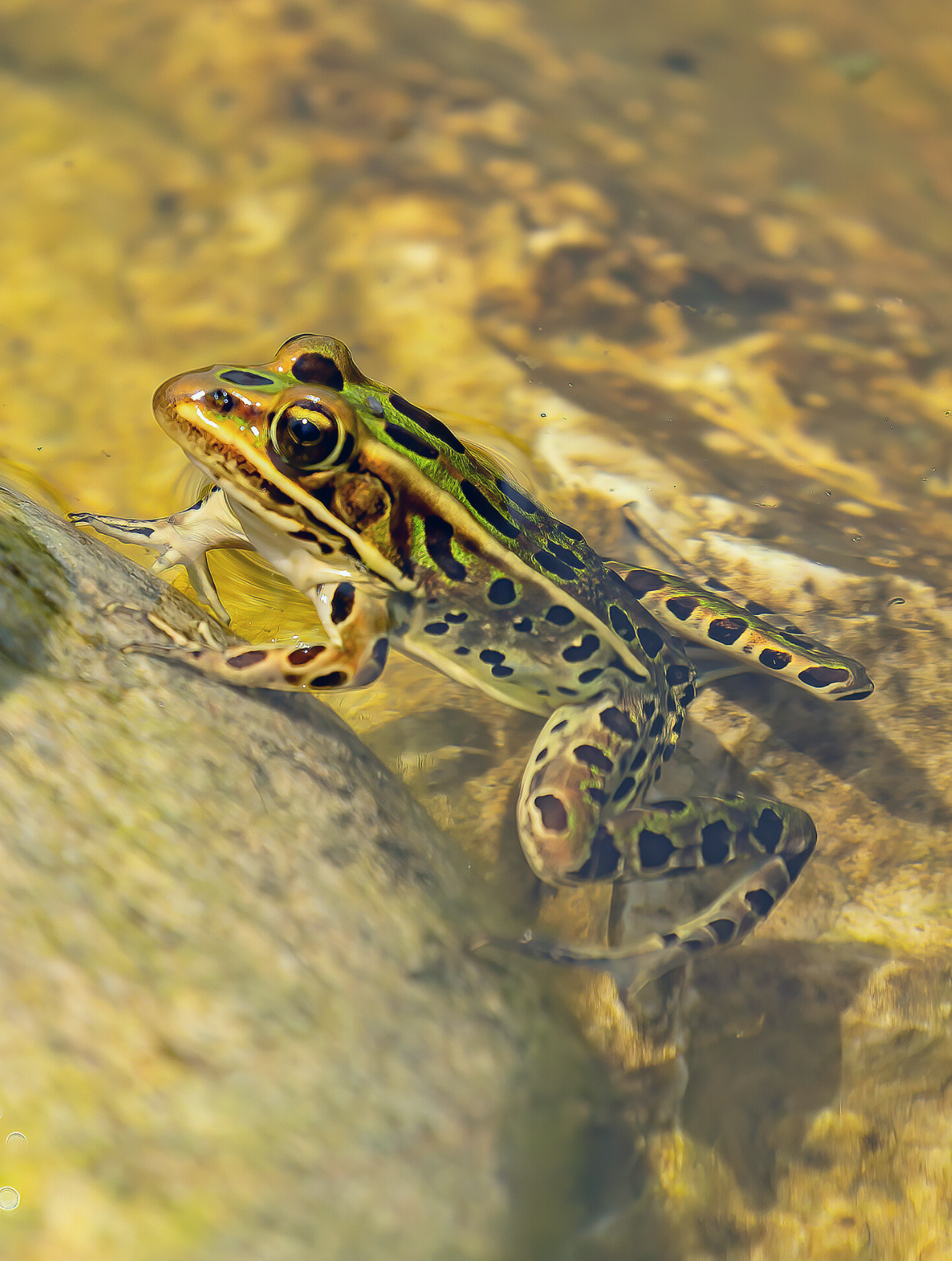
Our work is built on the principle that every threat needs to be addressed simultaneously. Our integrated approach combines disease mitigation, fertility research, conservation translocations, and habitat protection, backed by partnerships with landowners, government agencies, and conservation organizations. From the lab to the field, every element of our efforts work towards the goal of building self-sustaining wild populations of the northern leopard frog.
Two decades of sustained effort have built the scientific foundation, partnerships, and field experience necessary to help recover the northern leopard frog. The conservation strategies we’re developing at the Wilder Institute are already helping inform and scale wetland recovery efforts across Canada.
Determination of genetic variation over time in the BC population as well as between this population and others in western Canada
Hosting of Amphibian Reproductive Technology and IVF Workshop to improve conservation breeding outcomes
Discovery of differences in sperm quality between captive and wild northern leopard frogs
Development of quantitative assessment tools for selecting a new reintroduction site and completion of site assessments
Northern leopard recovery requires working at every stage of the species’ life cycle, addressing every threat at the same time. From laboratory fertility research to translocations to habitat improvement, each element of our approach helps create conditions where wild northern leopard frog populations can establish, grow, and thrive.
Fertility research and assisted reproductive technologies improve breeding success and protect the genetic diversity of the wild population, and an assurance population under expert human care prevents the risk of extinction of the northern leopard frog.
Northern leopard frogs are translocated to carefully selected wetland ecosystems across interior British Columbia, with reintroduction guided by a collaboratively developed five-year plan.
We conduct field surveys and population monitoring to track the growth of reintroduced populations and generate the data needed to refine our methods over time.
Habitat improvements at reintroduction sites – alongside ongoing disease mitigation work – help ensure released frogs have the best possible conditions for survival, breeding, and establishing self-sustaining wild populations.
Northern leopard frog recovery is a cross-sector effort, spanning conservation organizations, academic researchers, private landowners, and government agencies. These partnerships build the foundation to the program’s success.





Learn more about how we’re building One Wild Future.
The northern leopard frog’s recovery depends on sustained effort – help us keep the work going.
Fund translocation efforts and the scientific research bringing northern leopard frogs back to British Columbia’s wetlands.
Local communities and organizations all have a role in wetland conservation – explore partnership opportunities.
Get the latest updates on our work and the northern leopard frog’s recovery.