

Hippopotamuses are an iconic and important part of their ecosystem, helping to regulate both aquatic and terrestrial habitats. Although biodiversity monitoring indicates that the hippo population is increasing, there’s still more work to be done.
The hippopotamus is listed as Vulnerable on the IUCN Red List. Populations have declined across their African range, with fewer than 150 individuals remaining in Ghana, one of the most critical regional populations.
Hippos are semi-aquatic animals, spending daylight hours in shallow rivers, lakes, and swamps, and emerging at dusk to graze on surrounding grasslands. They require freshwater bodies deep enough for full submersion, around two metres.
Hippos are found in rivers, lakes, and wetlands throughout the savanna of Africa and the main rivers of Central Africa. Ghana is home to one of the last remaining populations in West Africa. In Ghana, hippos are located in the Upper West Region along the Black Volta stretch which shares borders with Burkina Faso.
Habitat loss, degradation and human-wildlife conflict, compounded by illegal hunting and illegal mining activities in the water bodies along the Black Volta. Climate Change leading to rising temperatures and changes in rainfall patterns also affect vegetation growth and water availability. Human encroachment to protected areas for farmla
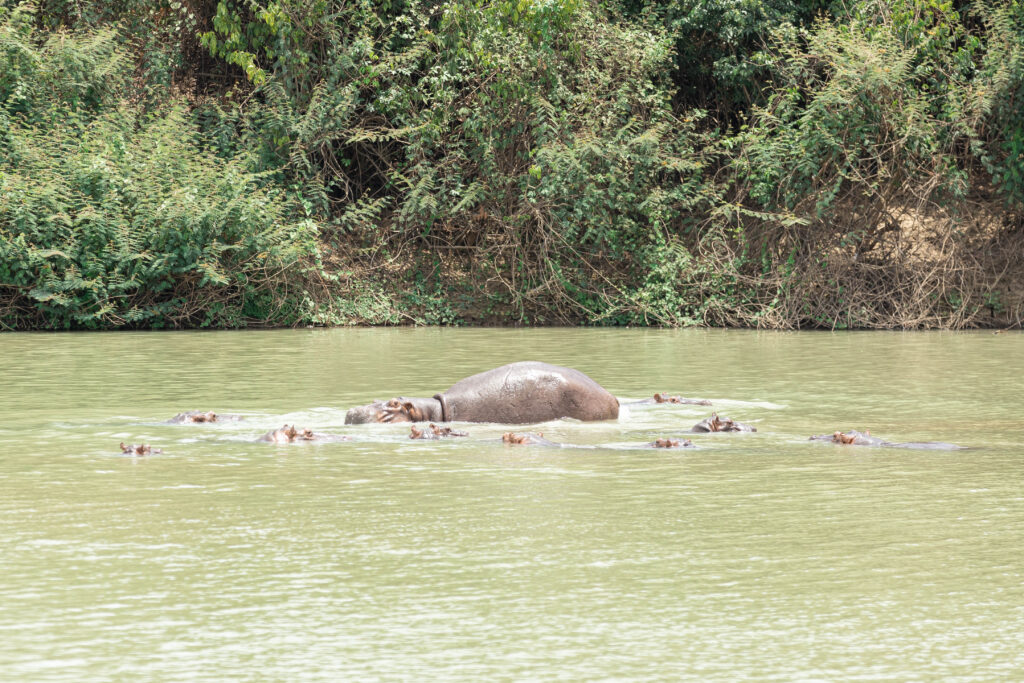
Hippos are among the world’s most ecologically powerful animals. By moving between water and land, they quietly shape Africa’s river ecosystems.
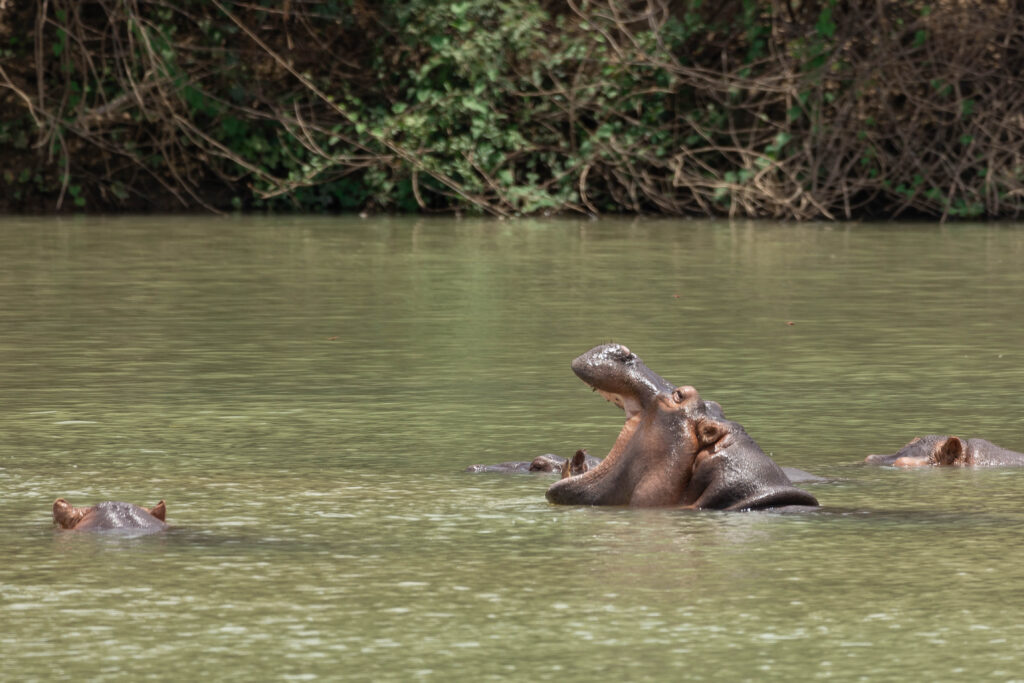
The hippopotamus is the third largest land mammal in the world, after elephants and white rhinos. Semi-aquatic and built for water, hippos have barrel-shaped bodies, short powerful legs, and large heads adapted for spending time in water.
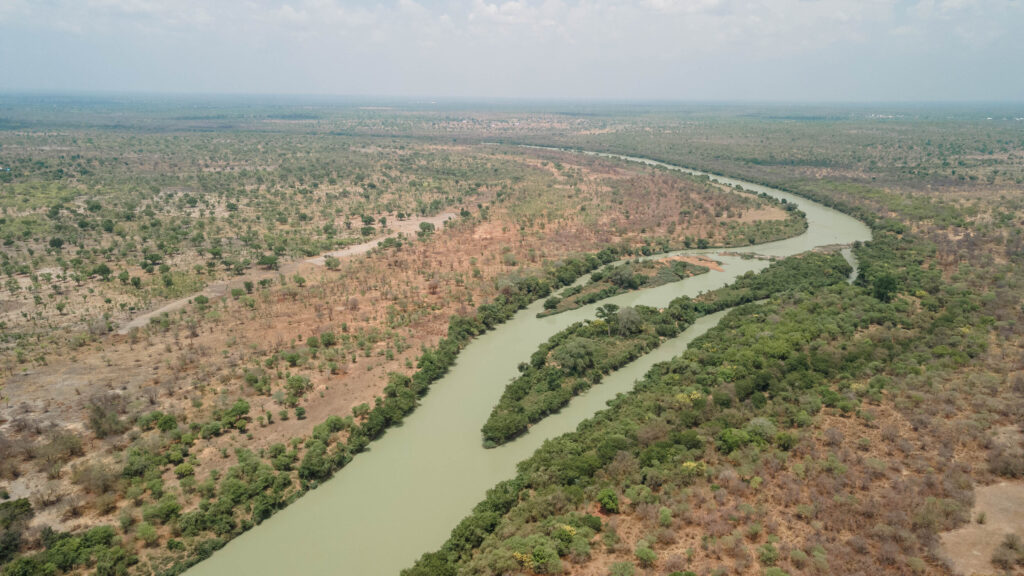
Hippos live in and around slow-moving freshwater bodies across sub-Saharan Africa, including rivers, lakes, and swamps bordered by grasslands. They rest submerged by day and travel inland at night to graze. The Wechiau Community Hippo Sanctuary in Ghana protects one of the continent’s last western populations.
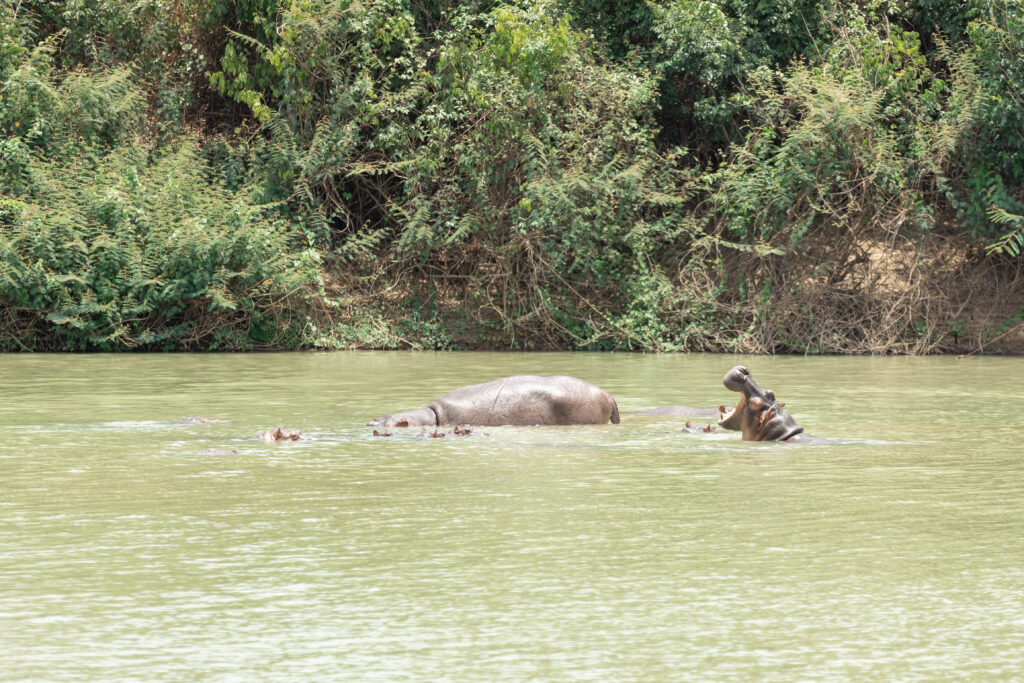
Hippos can hold their breath for five minutes underwater, with their eyes, ears, and nostrils sitting high on their skull to allow for near-total submersion while remaining alert. Their skin glands secrete a reddish oily fluid that acts as both sunscreen and antimicrobial protection.
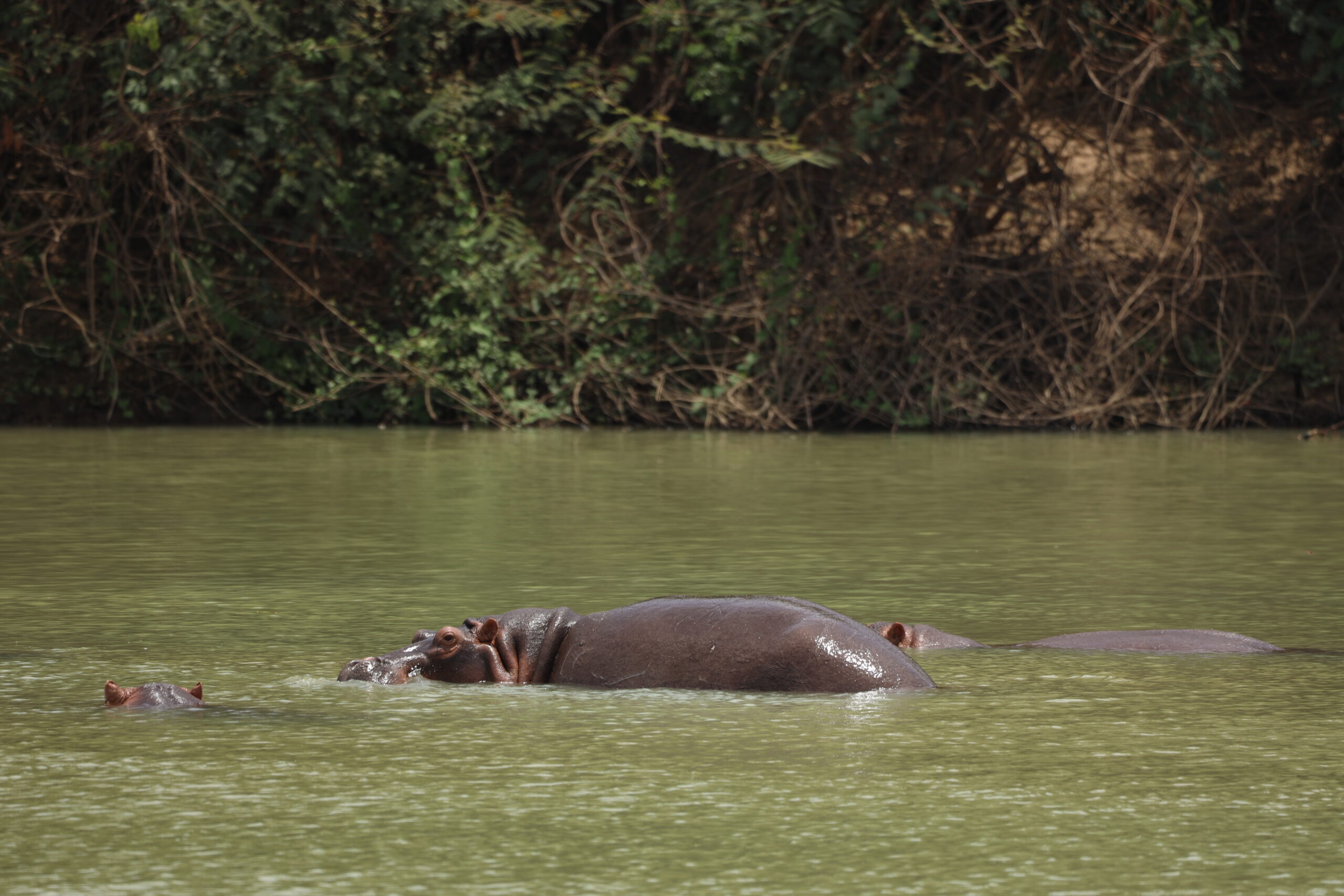
Hippos are the only mammals known to make amphibious calls, vocalizing simultaneously through water and air, and their honking can reach 115 decibels. Hippos’ dung fuels river fish populations and aquatic insects, creating a crucial nutrient transfer between land and water ecosystems.
Hippos are ecosystem engineers. Their daily land-to-water movements transfer nutrients that sustain river fish, a critical protein source for millions of people. They shape waterways, create pools for other species, and regulate plant diversity on land. Losing the hippo means losing critical architecture of Africa’s river ecosystems.
Hippos face mounting pressure from drought and habitat fragmentation as agricultural and industrial development encroaches on freshwater systems. Human-wildlife conflicts arise as hippos damage crops near grazing corridors, and illegal hunting for ivory and hide continues, particularly where populations live on unprotected lands.
Since 1998, the Wilder Institute has supported the Wechiau Community Hippo Sanctuary in Ghana, one of the last remaining hippo populations in West Africa. We work with local partners to monitor populations, protect habitat, support community governance, promote education, especially girl child education, and build sustainable livelihoods.
We work with local partners to monitor hippo populations and track habitat health across the sanctuary, using field data to guide conservation decisions and measure population recovery over time.
We supported the installment of a dedicated hippo viewing platform for both monitoring efforts and eco-tourism, providing communities with a sustainable income stream while connecting visitors directly to wildlife conservation in action. We also supported the renovation of the Visitor’s Centre and Talawona Lodge, making it befitting to accommodate tourists.
Protecting the freshwater ecosystems hippos depends on is essential for ecosystem health. We work with partners to safeguard the rivers, swamps, and surrounding grasslands critical to hippos’ survival.
At the Wechiau Community Hippo Sanctuary, conservation and community development go hand in hand. We supported the development of an organic shea cooperative and shea butter processing centre, ensuring local eco-friendly income sources make hippo protection sustainable long-term.
Explore programs that make protection of hippos and other species at risk possible.
—
Weekly patrols are organized within the core zone of the sanctuary to deter illegal activities and safeguard biodiversity. The patrols help maintain a secure habitat for hippopotamuses, allowing them free movement and access to feeding areas, while also protecting other wildlife and bird species. This activity contributes to the effective management of the sanctuary and the conservation of its unique ecosystem
The Wilder Institute has supported the hippo sanctuary since its inception in 1998. Working with the Wechiau Sanctuary Management Board and the Centre for Biodiversity Conservation Research, we protect and monitor hippos and their habitat, support inclusive governance of natural resources, and strengthen livelihood security for the communities that share the landscape with these creatures.
The program operates within the Wechiau Community Sanctuary in Ghana, home to one of the last remaining hippo populations in the country. The sanctuary encompasses the habitat of the approximately 150 hippos remaining in Ghana, and supports 20 communities whose livelihoods are directly connected to this ecosystem.
2,000+
20+
100+
Once widespread across the entire continent, hippos are largely confined to protected areas and river corridors of the African savanna and Central Africa.
Help support hippo conservation and protect the wild world.
Your donation supports hippo conservation at the Wechiau Community Hippo Sanctuary, protecting their habitat and sustaining the communities that make it possible.
From volunteering to advocacy, explore ways to stand with wildlife to help build the future hippos deserve.
Explore how your support can help protect species like the hippopotamus, from monthly giving to legacy donations.