

The mountain bongo is one of Africa’s most critically endangered antelopes, surviving in just two isolated forests in Kenya. The Wilder Institute has spent over a decade contributing to building partnerships, knowledge, and community relationships that are needed to support its recovery.

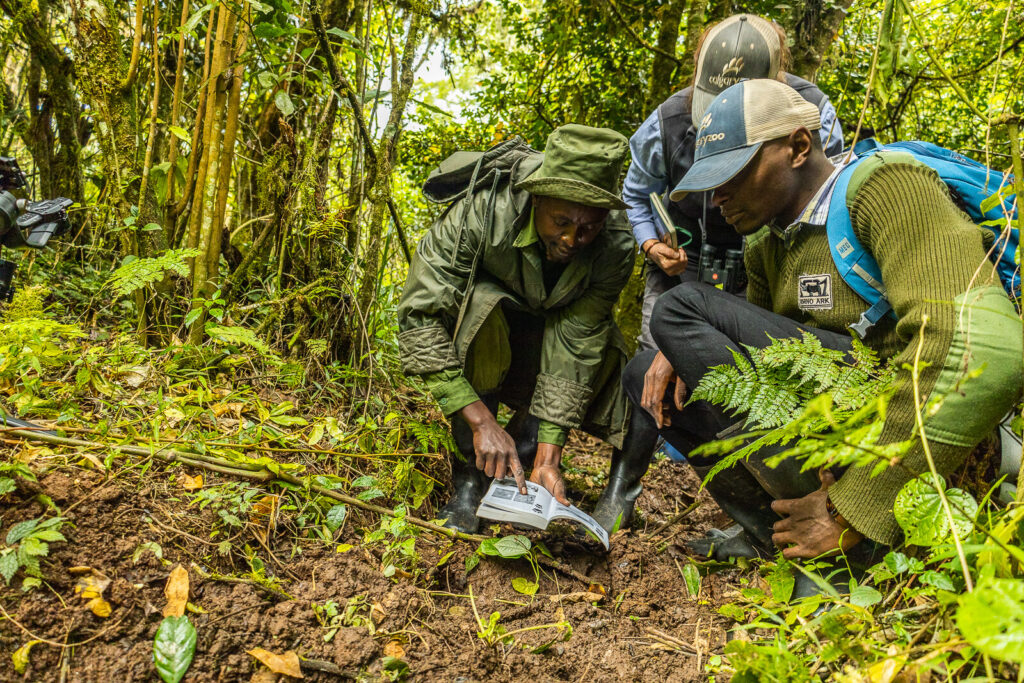
The Kenya Mountain Bongo Partnership is a multi-pronged, evidence-based conservation program combining biomonitoring, field research, forest protection, and reintroduction planning. Working with Rhino Ark Charitable Trust, we operate across the Eburu Forest Reserve and the Ragati-Chehe forests of Mt. Kenya, braiding Western science with traditional and local ecological knowledge to create conservation strategies.
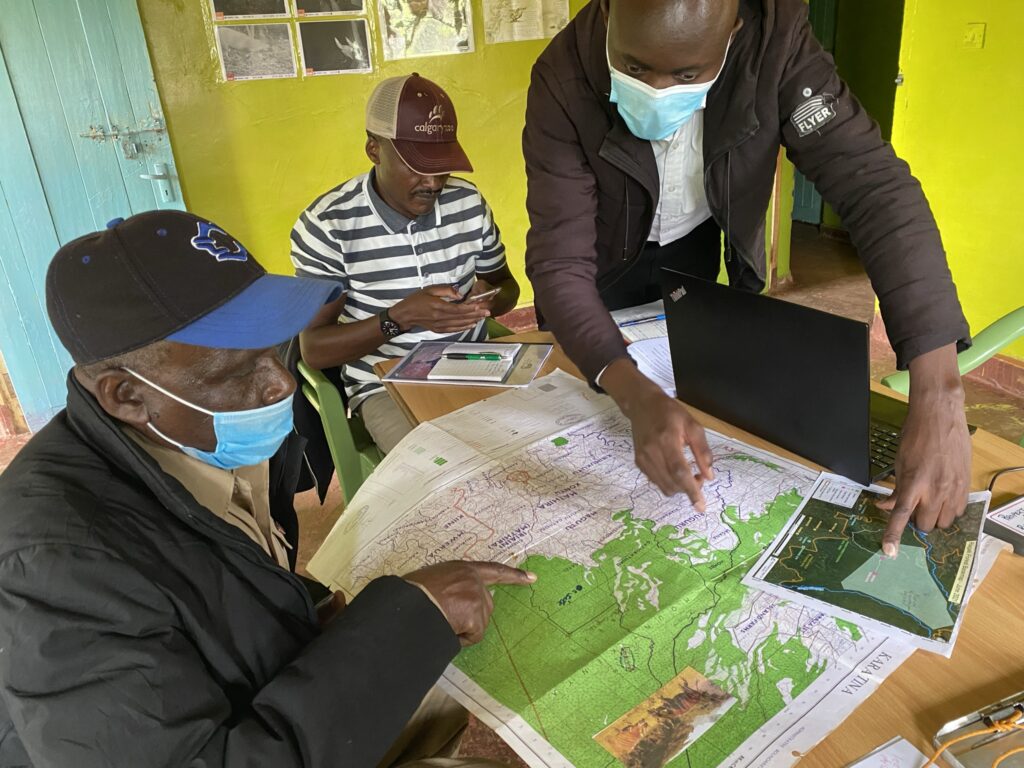
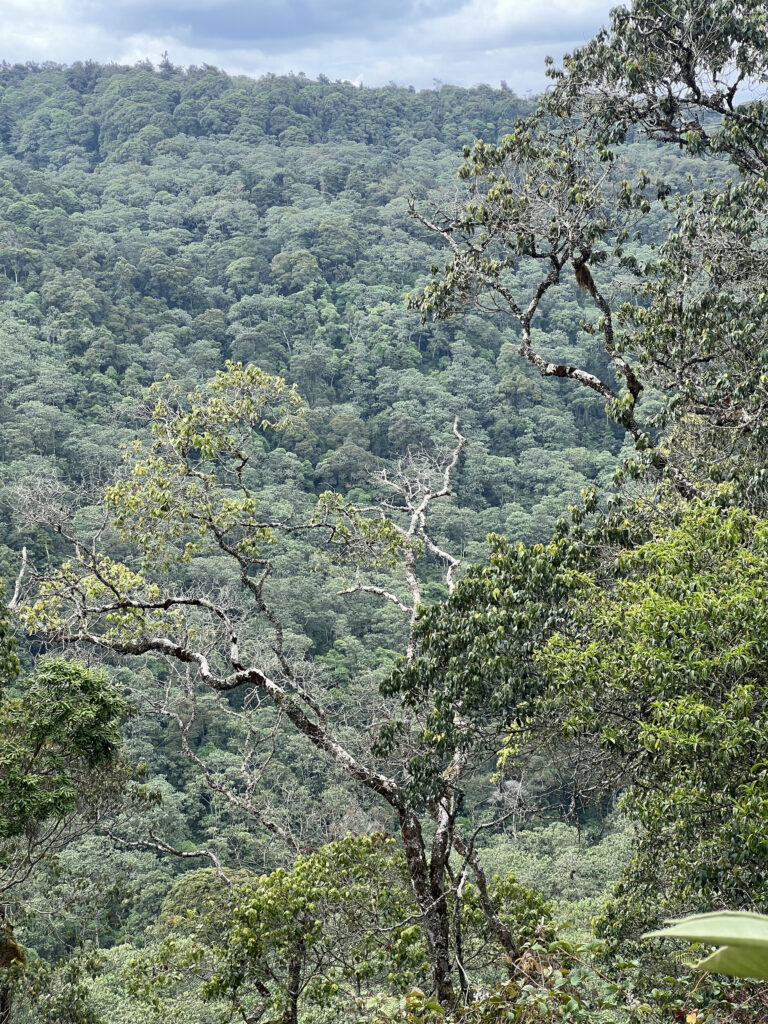
This program operates across two forest sites: the Eburu Forest Reserve and the Ragati-Chehe forests within Mt. Kenya National Park and Reserve – a UNESCO World Heritage Site. Both sites are within Kenya’s mountain forest belt, the country’s primary water catchment area, home to dozens of other species like leopards and elephants.
The Kenya Mountain Bongo Partnership aims to stabilize and grow the wild bongo population, advance a planned reintroduction of bongo to the Ragati-Chehe forests, and conserve the mountain ecosystems the species depends on. The program also works to ensure that local forest-adjacent communities benefit from – and become long-term champions of – bongo recovery and forest conservation.

Fewer than 60 mountain bongo survive in the wild, confined to isolated forest fragments. Habitat loss, poaching, and historical live-trapping for zoos and private collections have driven the species to the edge of extinction. After hunting was banned in Kenya in the early 1970s, local trackers and hunter guides turned their skills to the live trapping of wildlife for export to accredited and non-accredited facilities around the world. Mountain bongo were among the species exported around the world this way in the 1990s and 1980s.
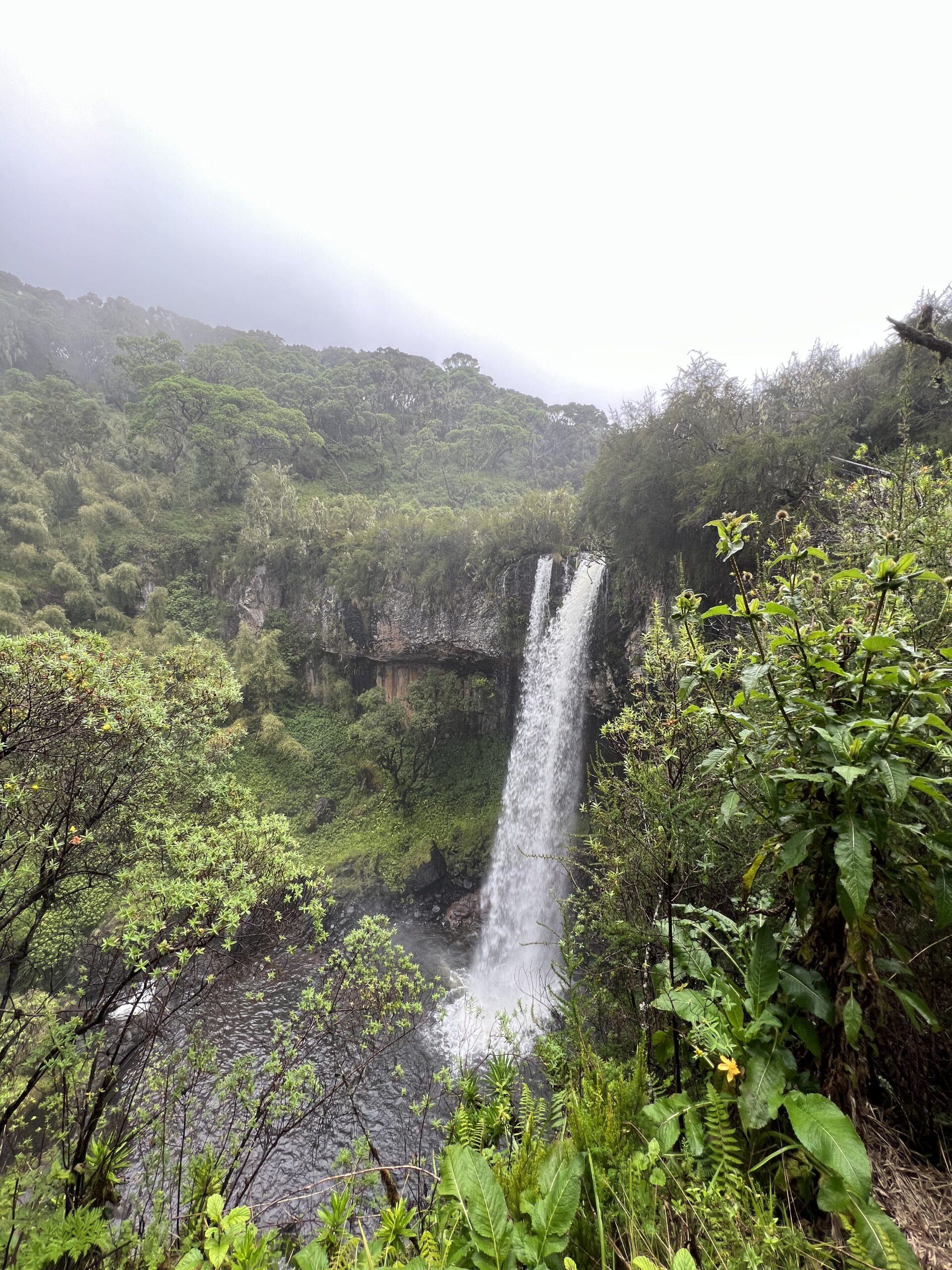
This area also faces mounting pressures from human encroachment and climate change that threatens the loss of these forests. The mountain forests they inhabit are known as Kenya’s water towers, supplying water for 90% of Nairobi’s citizens.
Wild mountain bongos remain only in a few isolated forest ecosystems in Kenya. These fragmented habitats limit movement between populations, reducing reproduction opportunities and long-term resilience.
Mountain bongos live in dense montane forests at high elevations in Kenya. These forests provide food, shelter, and movement corridors for the bongo and other species, while also serving as essential water catchment areas known as Kenya’s water towers, supplying water for 90% of Nairobi’s citizens.
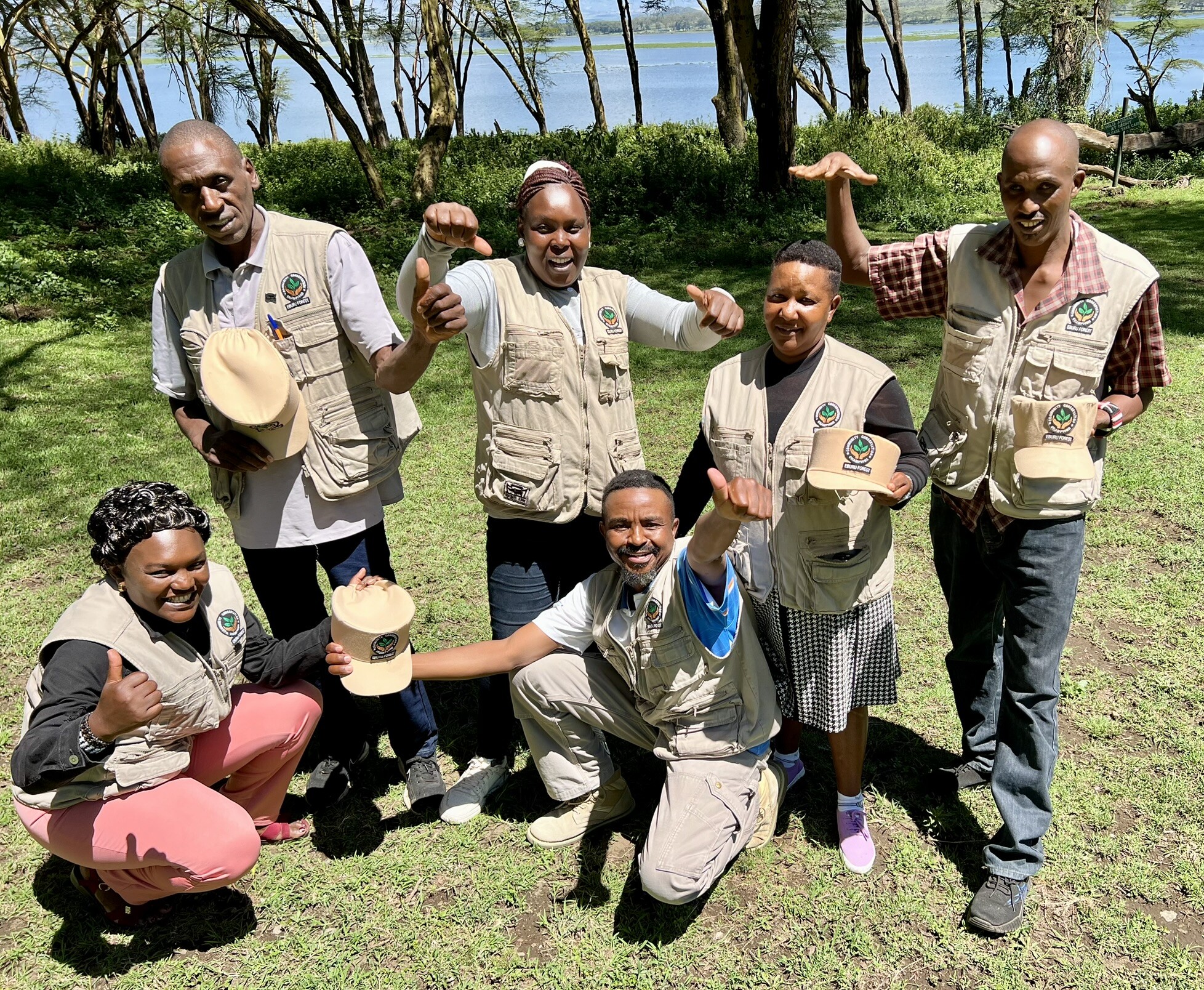
Our approach is built on trust, time, and the understanding that lasting conservation impacts depends on the people who live alongside wildlife. We combine rigorous biomonitoring and reintroduction planning with thoughtful and respectful community engagement to ensure conservation activities are locally led.
The Kenya Mountain Bongo Partnership is building the human and ecological foundations that bongos and Kenya’s mountain forests will depend on for generations to come.
23
23 schools engaged in Nature Conservation Clubs program established in 2023
35
Fleet of 35 camera traps established and continuously monitored by community rangers in bongo preferred habitat and documenting the mammal assemblage of the area
15
Special Use License secured for the next 15 years for a 63 Area of forest to establish a bongo reintroduction site, research facility and re-wilding centre
14
14 adult volunteers engaged in leading conservation activities in their home communities through the Community Conservation Champions programme including the publication of a Medicinal Plants Guidebook and a Birds Pocket Guidebook
In Kenya, mountain bongos’ survival is inseparable from the wellbeing of the people who live alongside its forests. Every element of our community work is designed to build genuine buy-in, create lasting livelihoods, and cultivate the next generation of conservation leaders.
Local community members are employed in forest patrols, camera trapping, and reintroduction planning – roles that provide stable income, build conservation skills, and create sustainable alternatives to activities that impact forests.
23 Nature Conservation Clubs in schools near the Ragati-Chehe forests are nurturing the next generation of conservation advocates, sparking curiosity about wildlife and building lasting connections to the natural world.
We work with community leaders, former bongo hunters, and government agencies to integrate traditional and local ecological knowledge, ensuring our conservation strategies reflect the lived experience of people who know these forests best.
In Eburu, a honey cooperative supported by the Wilder Institute engages nearly 40 beekeepers, delivering culturally significant, forest-friendly income while reducing pressure on the habitat mountain bongos depend on.
Mountain bongo recovery is a collective effort. Our partnerships span government, conservation organizations, and local communities. We are united by the long-term commitment and shared understanding that no organization can recover a critically endangered species alone.





Learn more about how we’re building One Wild Future.
Long-term conservation effort is critical for the survival of the mountain bongo and its forest habitats.
Your gift funds the fieldwork, community programs, and reintroduction planning keeping mountain bongo recovery on track.
Explore partnerships to protect critically endangered species and the communities that share their landscapes.
Stay connected with updates from Kenya as reintroduction planning moves forward.