

The sitatunga is a unique species of semi-aquatic antelope, once believed to be extinct by science in Ghana. The Avu Lagoon Community Wetlands Program combines sitatunga conservation and habitat protection with community livelihood support in Ghana’s freshwater wetland systems.

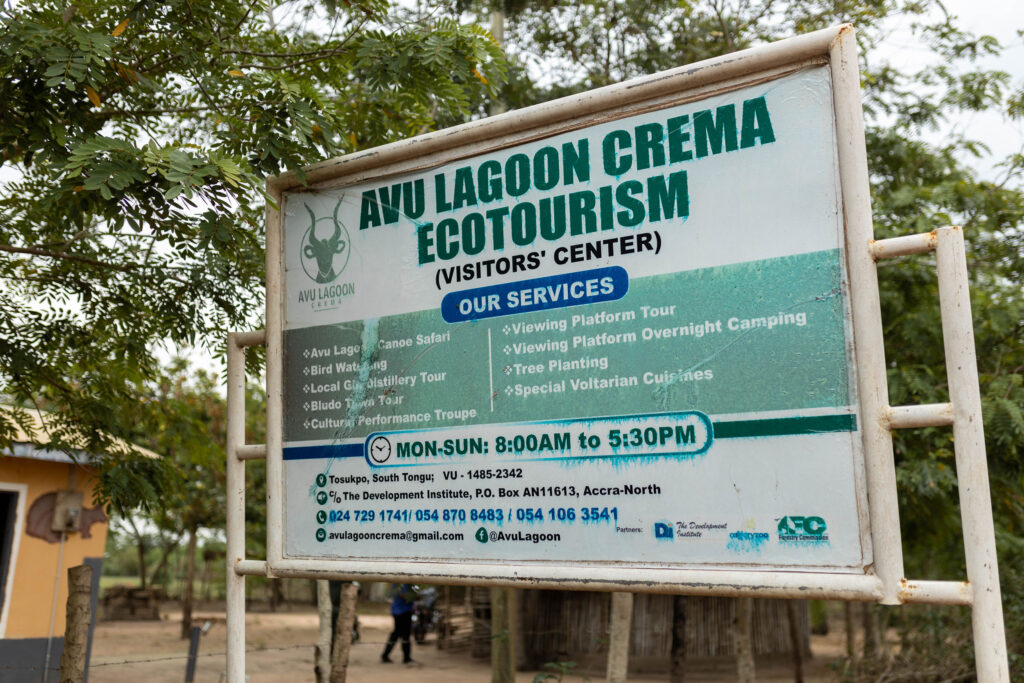
The Wilder Institute collaborates with local communities and partners across the Avu Lagoon Community Protected Area to monitor and conserve Ghana’s only sitatunga population and the lagoon’s overall health. We also work to strengthen inclusive natural resource governance and build diversified livelihoods for the 17 communities whose farming and fishing activities are directly impacted by resource management measures. We support rangers with salaries, training, and equipment, while local trackers, remote cameras, and drones are building a knowledge base on sitatunga presence, habitat use, and behaviour. In addition, we are collaborating on wetland monitoring and climate-smart agriculture projects that will help develop practices to reduce agricultural encroachment of the Community Protected Area and reduce the use of pesticides/fertilizers.
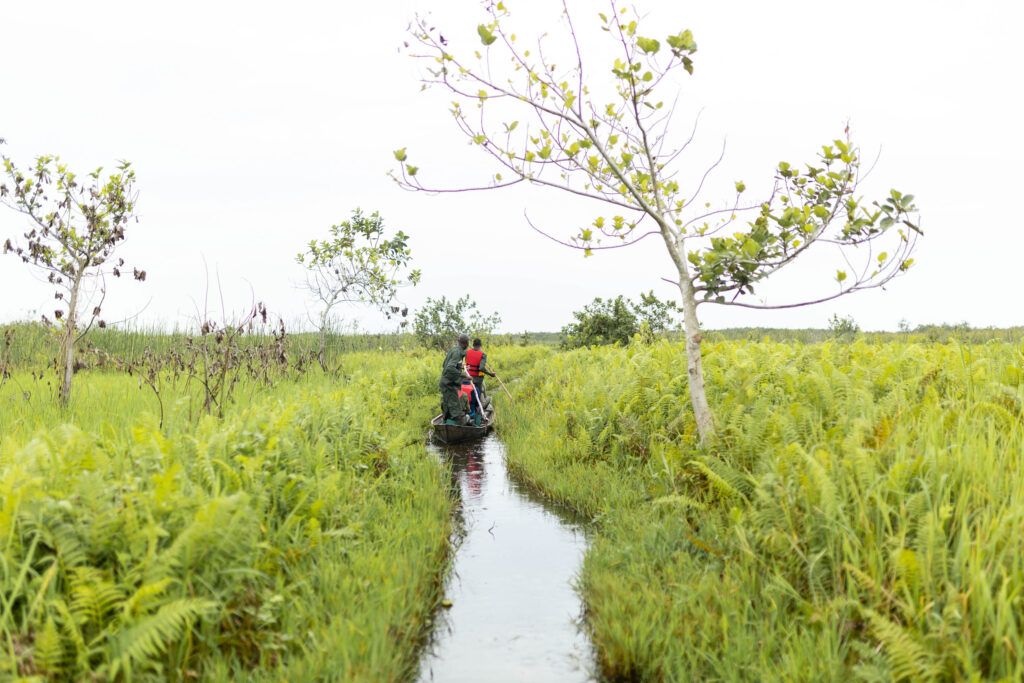
The Avu Lagoon Community Protected Area in south east Ghana comprises a freshwater lagoon, seasonally flooded forests, grasslands and farmlands.
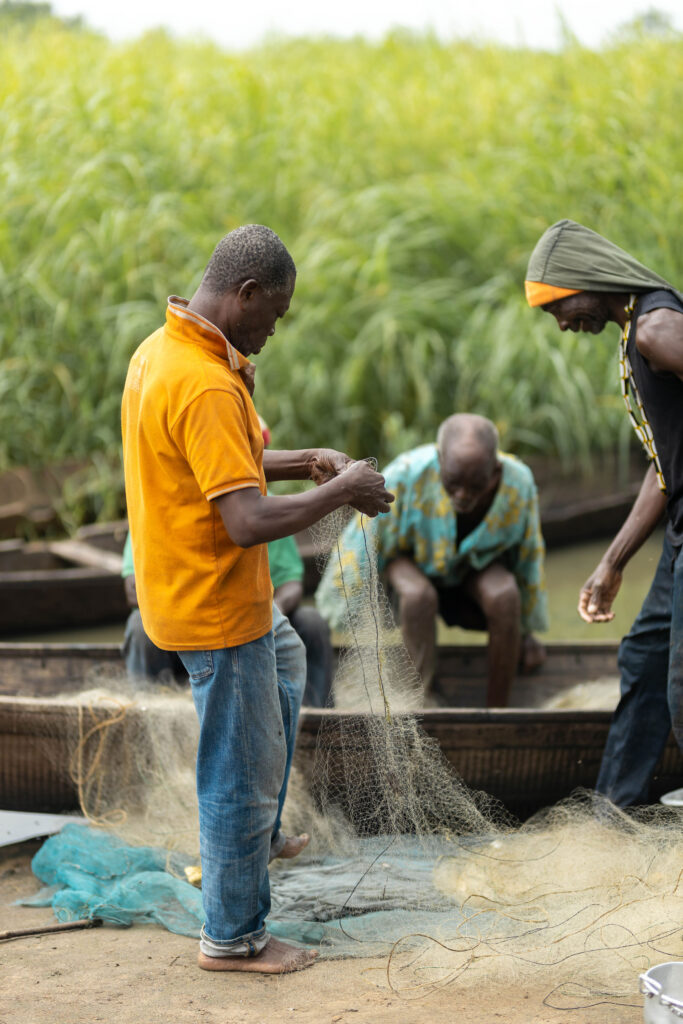
The Avu Lagoon Community Wetlands Program’s goal is to find balance between consumption and conservation approaches, wetland health, species recovery of animals like Ghana’s only sitatunga population and sustainability of the people and the environment. The program works to strengthen inclusive community governance of natural resources and expand access to economically and ecologically sustainable livelihoods. This builds a social-ecological system resilient enough to protect both people and wildlife for generations to come.

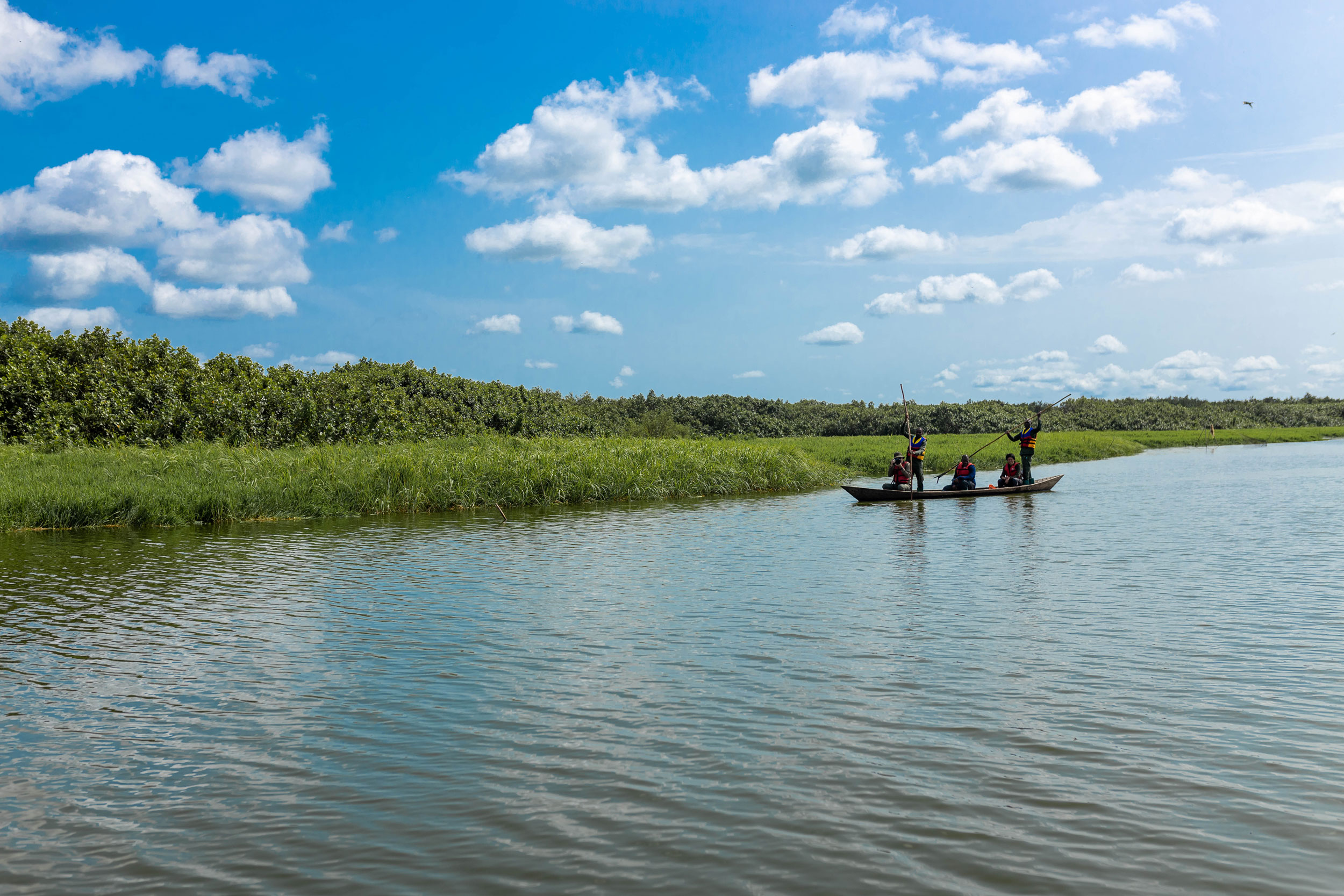
Ghana’s only known sitatunga population is confined to the Avu Lagoon. Here, they are isolated and vulnerable to habitat loss, fragmentation, and long-term changes to water levels that are reshaping wetland ecosystems across West Africa. Agreed conservation measures that shape hunting and farming put an economic strain on the 17 communities that share this landscape, making community-led collaboration both challenging and essential.
Found across more than 25 African countries, sitatungas range from West Africa through Central and East Africa. In Ghana, the species exist only in the Avu Lagoon Community Protected Area – one of its most vulnerable populations.
Sitatungas are wetland species, living in thickly vegetated swamps, marshes, and seasonally flooded forests. They rely on their wetland habitat for everything, from feeding and resting to escaping from predators.
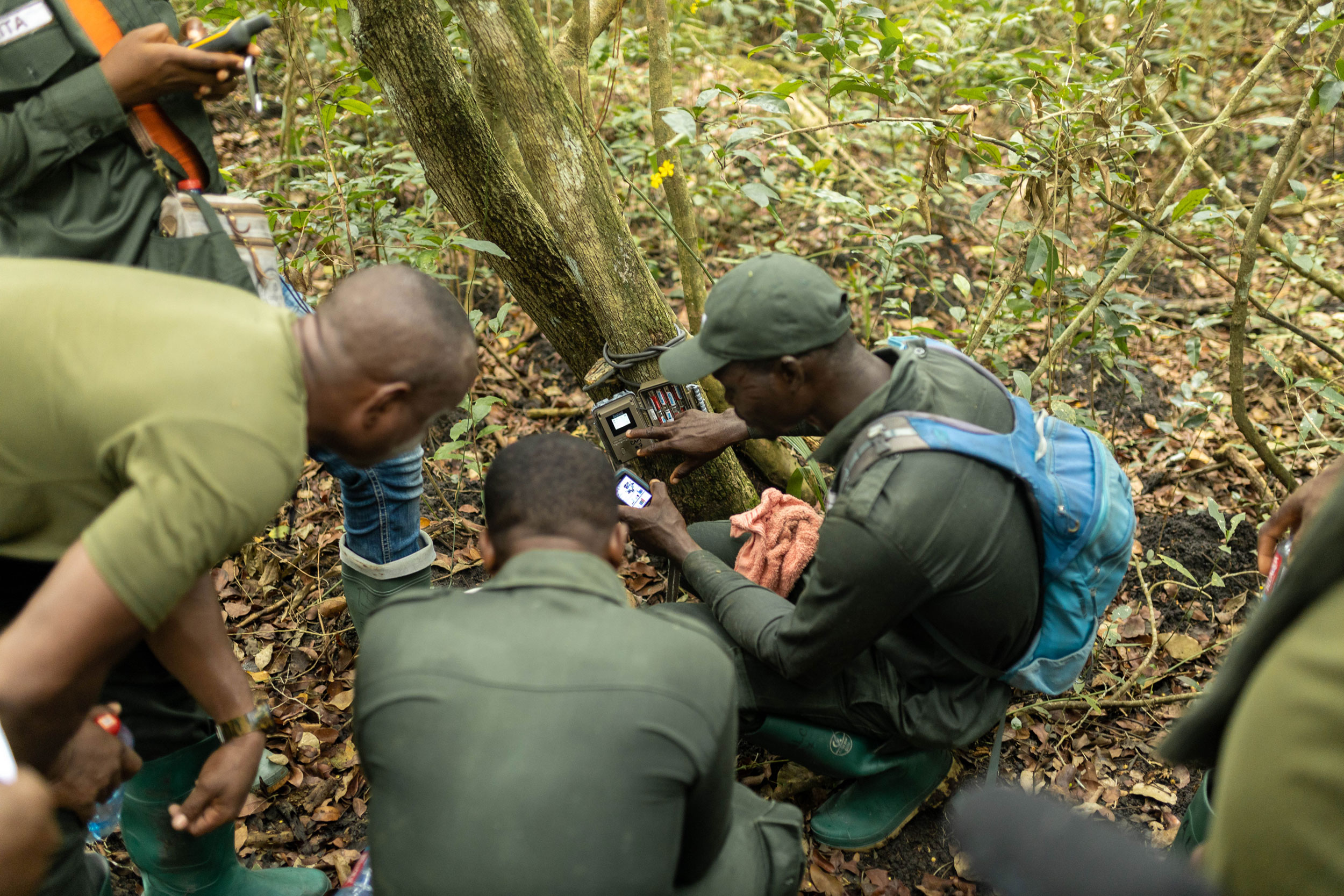
Community partnership is the foundation of the Avu Lagoon Community Wetlands Program. By supporting ranger capacity, deploying local trackers alongside remote cameras and drones, and working directly with communities to build sustainable livelihoods, we’re helping create a future where sitatunga conservation and human wellbeing go hand in hand.
In a remote lagoon where sitatunga were once believed to be extinct by science, sustained conservation efforts and community partnerships are changing the trajectory for both wildlife and people.
The Avu Lagoon Community Wetlands Program is designed to ensure that protecting sitatunga creates tangible benefits for the communities that make their protection possible – from sustainable livelihoods to youth education programs that build the next generation of local conservation leaders.
Agreed conservation measures on hunting and farming have an economic cost for local communities. The Wilder Institute works with partners to develop alternative, sustainable income sources to ensure that local people share in the benefits of conservation.
In partnership with local communities, the Wilder Institute supports school-based nature clubs across both the Avu Lagoon and Wechiau landscapes, engaging youth in outdoor learning, field trips, and conservation awareness. Annual interschool competitions bring community schools together through debates, quizzes, and science projects focused on biodiversity. Scholarship programs in both communities prioritize girls’ transition from junior to senior high school, linking education to service internships within local conservation governance activities during school breaks.
The Wilder Institute’s partnerships combine community governance, scientific expertise, and government support to protect both sitatunga and the people who share their habitat. Partners include Global Affairs Canada, Avu Lagoon Community Resource Management Board, Wildlife Division of Ghana’s Forestry Commission, and the Centre for Coastal Management. The program works with local education authorities to embed conservation awareness across community schools in both the Avu Lagoon and Wechiau landscapes.
Local trackers are central to the program’s monitoring work. They bring traditional ecological knowledge about sitatunga presence, habitat use, and behaviour, while building conservation careers rooted in the communities that know the landscape best. Beyond monitoring, community members participate in conservation awareness campaigns and stewardship initiatives embedded within local governance systems – ensuring that conservation gains are maintained over time.
Sitatunga conservation in Avu Lagoon is inseparable from the community networks that surround it. Collaboration across local, national, and regional partners is what makes meaningful progress possible. This program is Funded by the Government of Canada.
Learn more about how we’re building One Wild Future.
Support the local communities protecting Ghana’s only sitatunga population.
Support the community livelihoods and monitoring work that helps conserve this isolated population.
Partner with us to protect West Africa’s most vulnerable wetland species and the communities that share the land.
Get updated from Avu Lagoon as this community conservation program continues to develop.