

The Cross River gorilla is a critically endangered subspecies of the western gorilla, living in small, scattered populations across Nigeria and Cameroon. Their survival depends on protecting their habitats and strengthening community-led conservation efforts.
The Cross River gorilla is listed as Critically Endangered, with fewer than 300 estimated remaining in the wild. Their small, isolated groups and ongoing threats like habitat loss and hunting continue to increase their risk of extinction.
These gorillas inhabit rugged highland forests, including lowland montane and rainforest ecosystems. Dense vegetation and remote terrain offer them shelter, but fragmented habitats make it difficult for populations to connect and grow.
Cross River gorillas are found along the border of Nigeria and Cameroon, across an area of roughly 3,000 square miles. They’re scattered across isolated groups in a wide and fragmented landscape.
Habitat loss and fragmentation, combined with hunting.
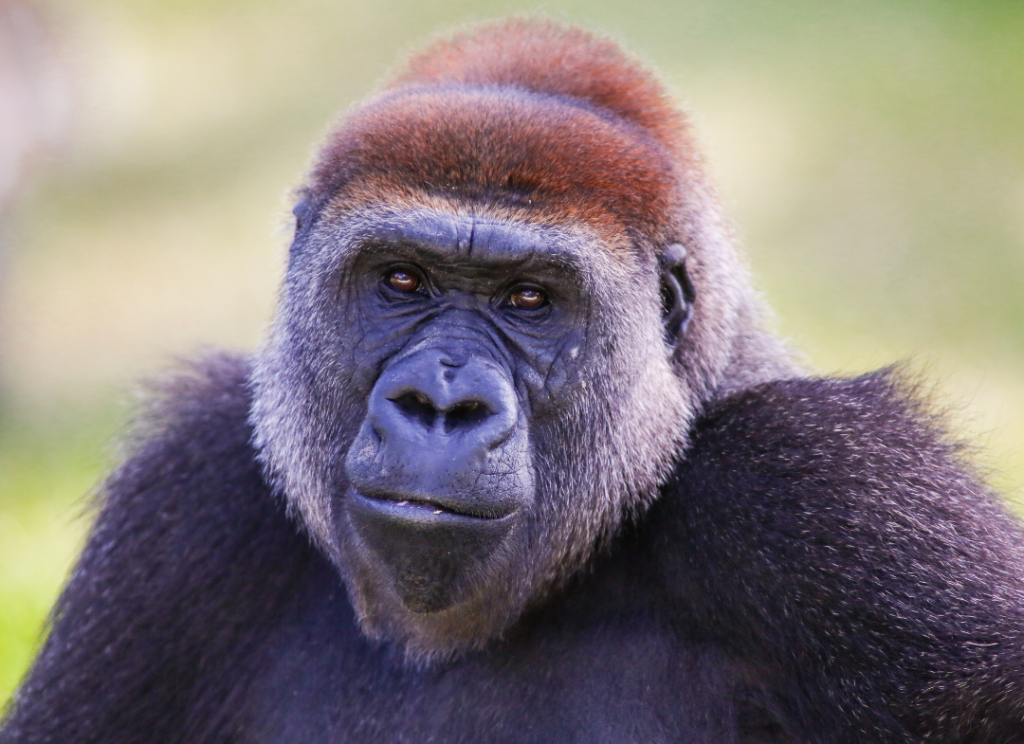
A rare and elusive great ape, the Cross River gorilla lives in small, scattered groups inhabiting rugged terrain, making conservation efforts complex and dependent on both habitat protection and community partnerships.
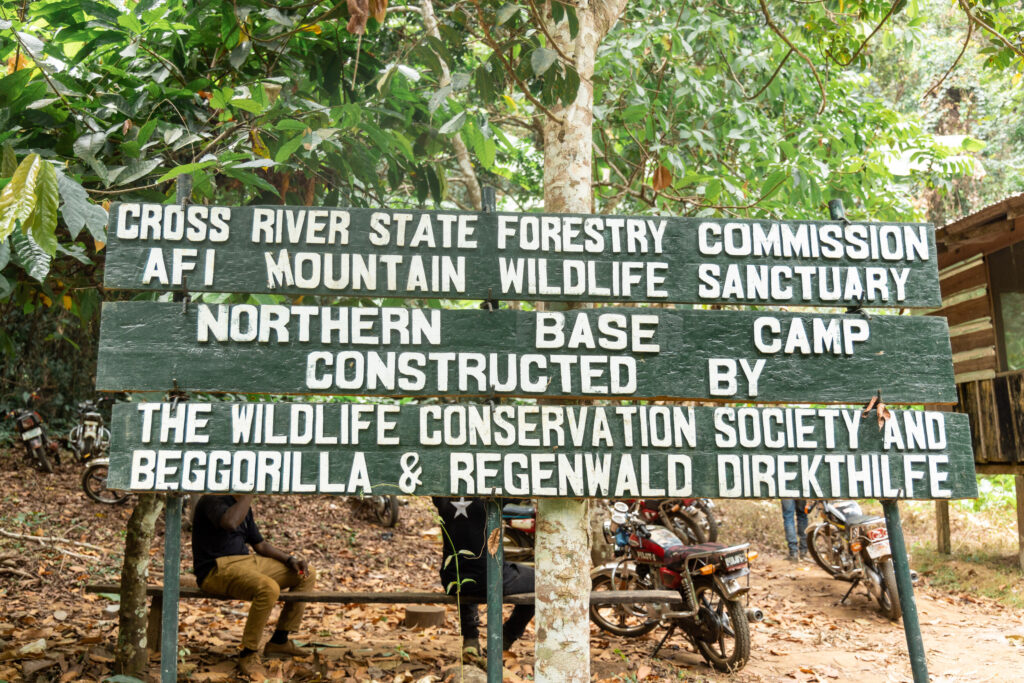
The Cross River gorilla is a subspecies of the western gorilla, first identified in 1904. It closely resembles other gorillas but has a different skull and tooth structure. It’s one of the most endangered great apes in the world.
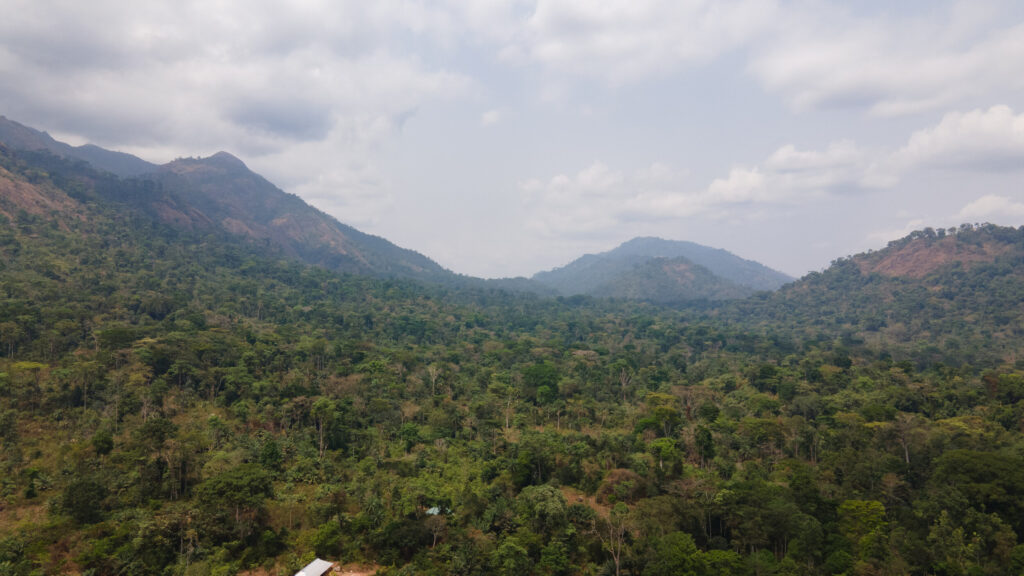
This subspecies lives in mountainous rainforests and highland forest regions along the Nigeria-Cameroon border. The Cross River gorilla is fragmented across isolated forest patches, limiting their movement and making population growth more challenging.
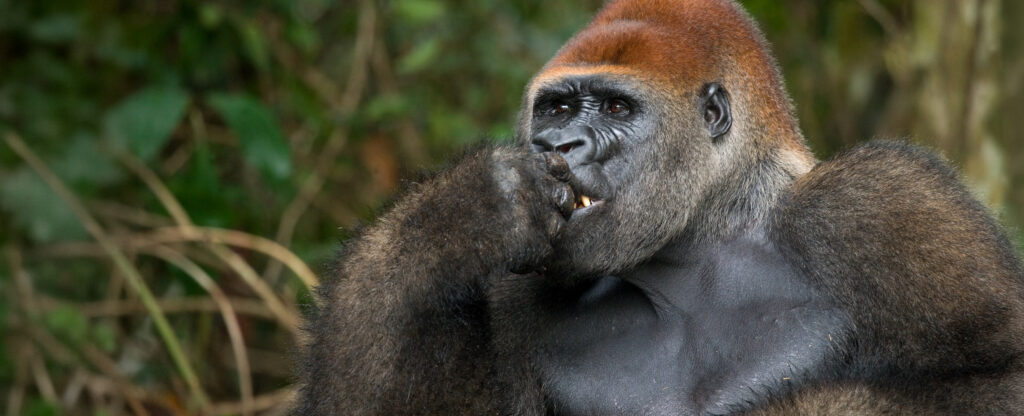
Cross River gorillas are elusive and wary of humans, making direct observation rare. Researchers often rely on observing signs of gorillas, like nests, to track them. Their small group sizes and remote populations make for limited data on the species’ dynamics.
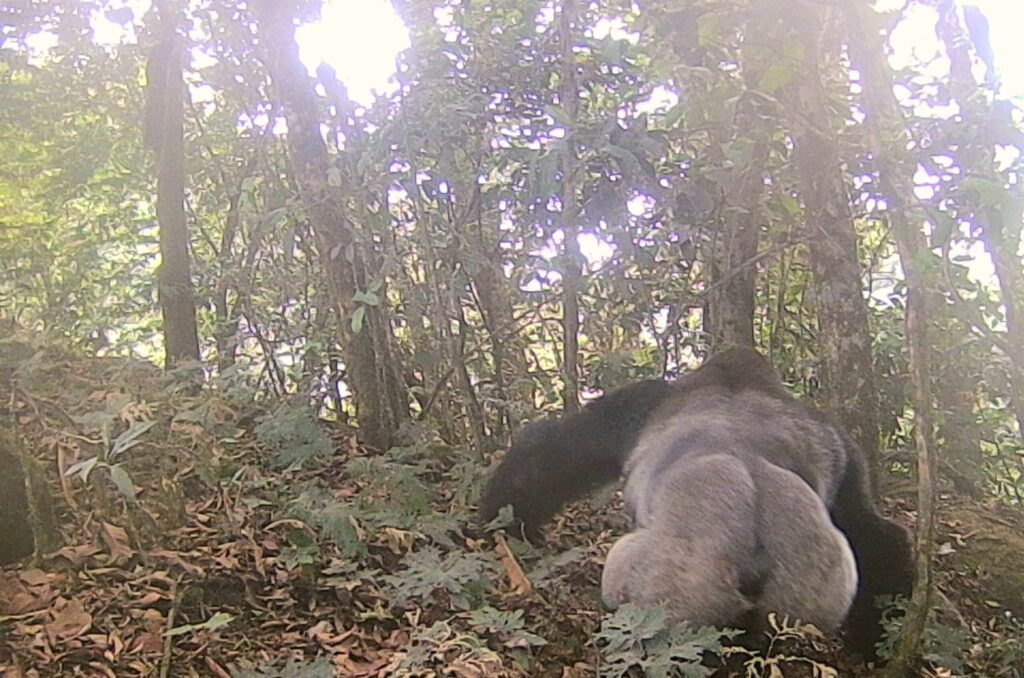
As one of the world’s rarest great apes, the Cross River gorilla lives in highly fragmented populations. Its survival depends on locally-led conservation efforts rooted in community knowledge and stewardship.
Losing the Cross River gorilla would mean the disappearance of unique lineage and a weakening of already fragile forest systems. They play an important role in the ecosystem, contributing to seed dispersal and biodiversity.
Cross River gorillas face mounting pressures from habitat loss driven by agriculture, logging, and land use. Limited economic alternatives for local communities and large-scale logging activity can intensify conflicts for resources. Their fragmentation isolates populations, while hunting and human activity further puts them at risk.
Through the Cross River Gorilla Initiative, the Wilder Institute partners with the Nigerian Conservation Foundation (NCF) who work with the University of Calabar to support graduate training and research. In addition, a partnership with the Centre for Biodiversity Conservation Research (CBCR) in Ghana allows for sharing practices that create successful community conservation initiatives. This work supports locally-led solutions to protect gorillas, their habitats, and support the people who live in the area.
The Cross River Gorilla Initiative focuses on strengthening wild populations through research partnerships and conservation, rather than captive breeding. This approach aims for long-term, sustainable protection of the gorillas and successful reproduction in their natural habitats.
This initiative supports the next generation of conservation leaders in West Africa through research, training, and habitat stewardship, helping local communities and conservation partners support the long-term recovery of Cross River gorillas.
Graduate student-led research explores challenges affecting gorillas and forest ecosystems, supporting locally informed solutions that protect habitats while recognizing the needs, livelihoods, and knowledge of surrounding communities.
This program invests in local graduate students and emerging leaders to strengthen active community conservation approaches and build lasting stewardship. It also supports collaboration and co-creation of knowledge between Ghana and Nigeria.
Explore other programs advancing community-led conservation and species protection.
In collaboration with the Nigerian Conservation Foundation, who work with the University of Calabar, the Wilder Institute supports a graduate scholarship program focused on Cross River gorilla conservation. Graduate students conduct field research relevant to gorilla recovery, engage with forest communities, and collaborate with conservation practitioners, such as the Centre for Biodiversity Conservation Research in Ghana to support student development through knowledge sharing and building locally grounded expertise that can drive lasting change.
The program operates across the highland forests along the Nigeria-Cameroon border, where Cross River gorillas live. The research of five students takes place in the Afi Mountain Wildlife Sanctuary, and one student work takes place at the Mbe Mountains Community Forest. Academic and knowledge-exchange work takes place at the University of Calabar in Cross River State, Nigeria.
Cross River gorillas live in fragmented forests along the Nigeria-Cameroon border.
Support conservation efforts and protect endangered species worldwide.
Help fund programs that protect Cross River gorillas and support local leaders working to safeguard their habitat.
Join a community advancing conservation through research and global partnerships.
Discover additional ways to contribute, including monthly giving and fundraising to support conservation.