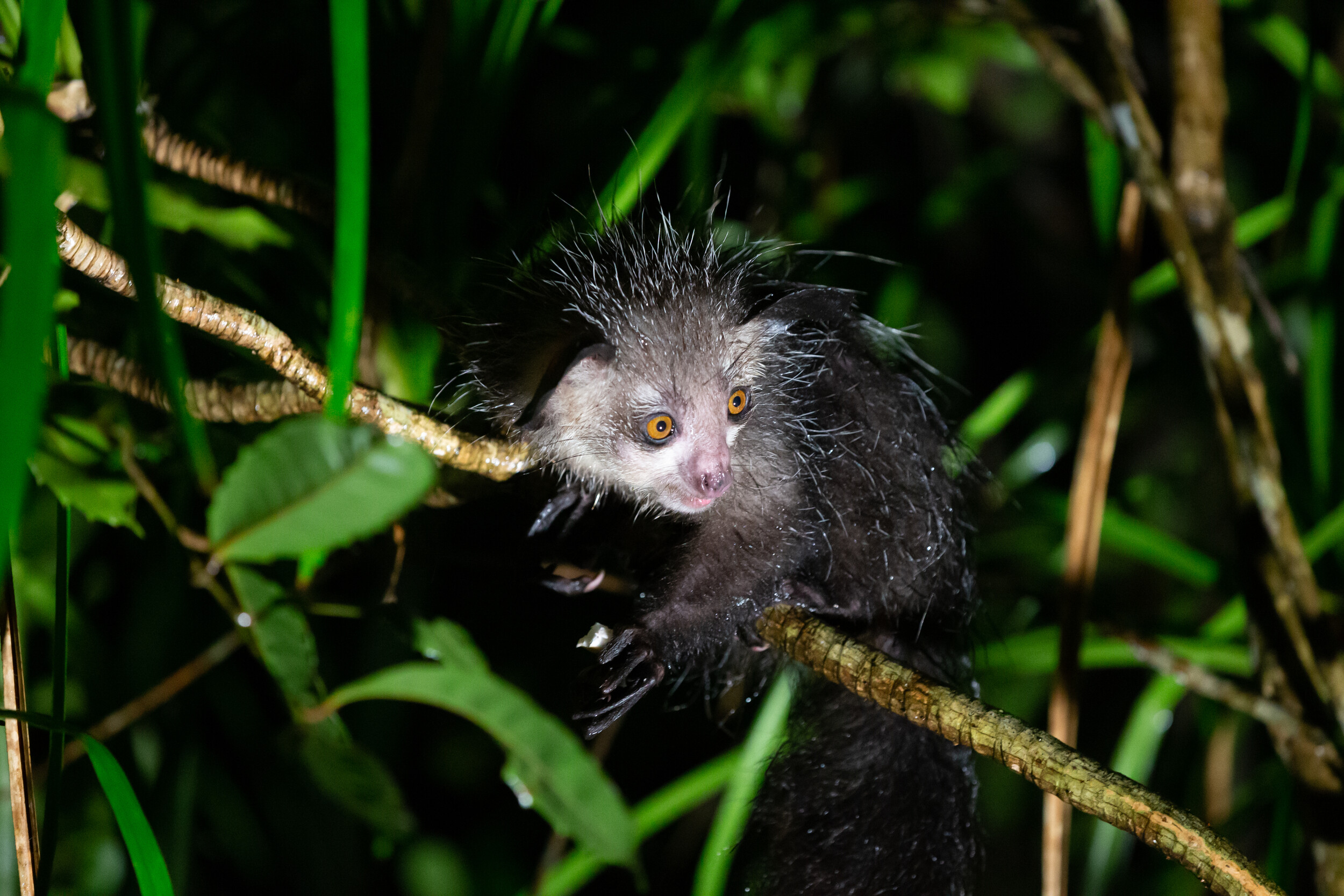
From 2017 to 2024, the Wilder Institute collaborated on conservation and reforestation efforts alongside local partners and communities in Madagascar to restore forests, conserve endangered lemurs, and build a foundation for long-term conservation.
Madagascar is home to over 100 species of lemurs found nowhere else on Earth – and 90% of the island’s forests are already gone. The Kianjavato Lemur & Reforestation Initiative worked to reverse that loss.
What the program was
The Kianjavato Lemur & Reforestation Initiative was a community-based conservation program that combined reforestation, lemur monitoring, and livelihood development in southeastern Madagascar. Working with the Madagascar Biodiversity Partnership, the University of Calgary, and local communities, the Wilder Institute supported habitat restoration and long-term lemur monitoring while strengthening organizational and local leadership capacity needed to sustain this work into the future.
Where it operated
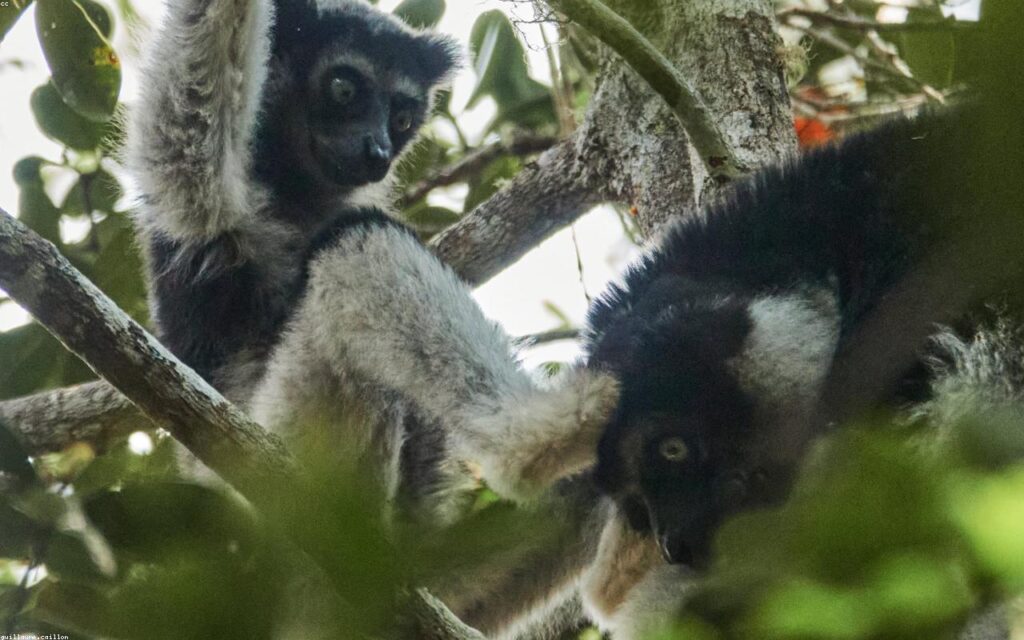
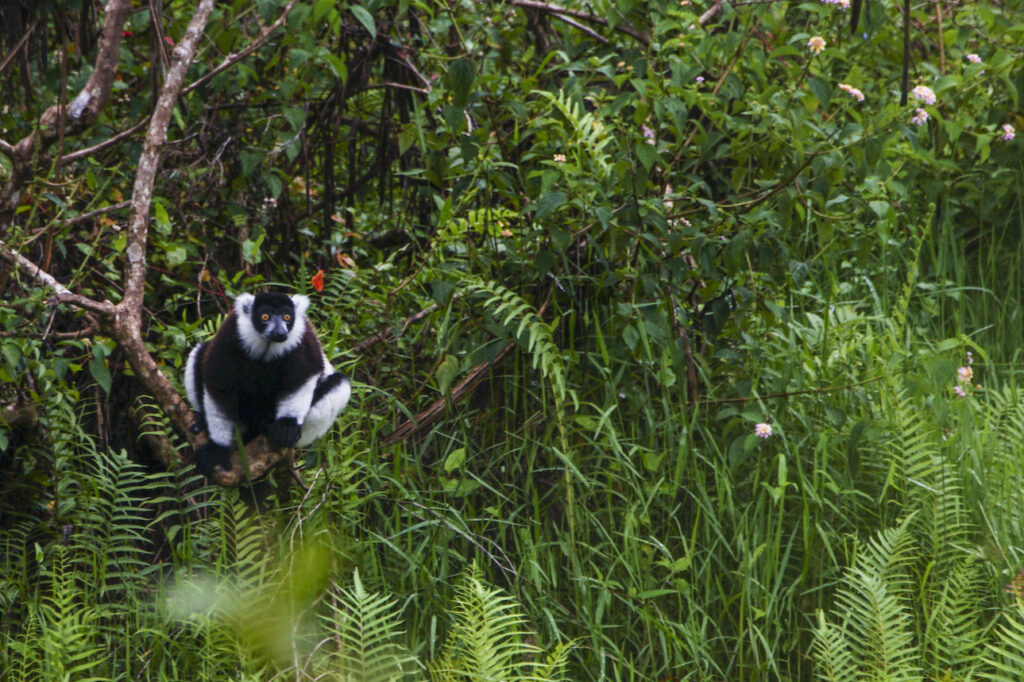
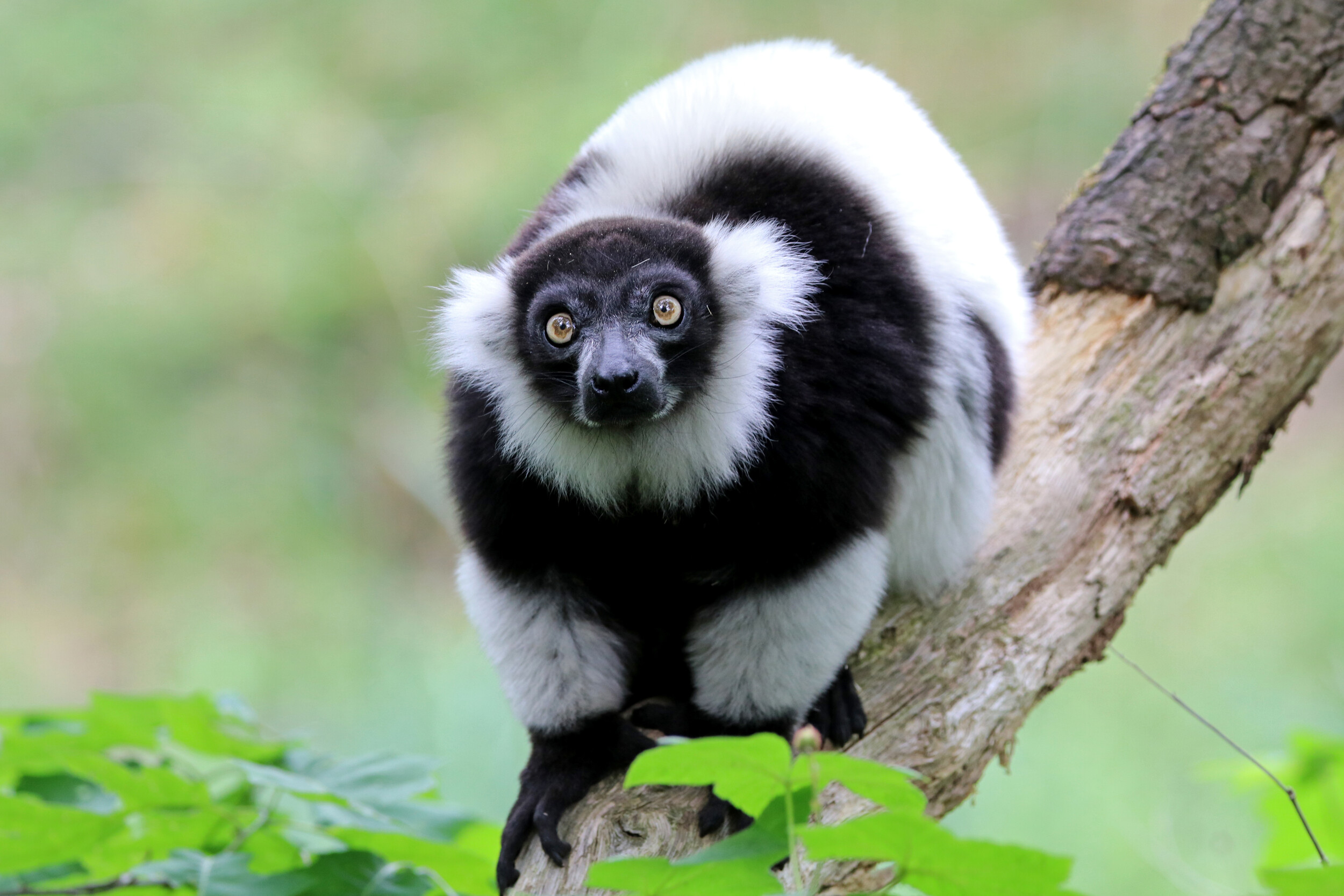
The program was based in Kianjavato of southeastern Madagascar – one of only five remaining areas where greater bamboo lemurs persist. Lemur populations in the region were confined to small, isolated forest fragments surrounded by agriculture and human settlements, with little connectivity between them.
What it aimed to achieve
The program aimed to reconnect fragmented forests, reduce the risk of extinction for three endangered lemur species, and generate long-term population data to guide future conservation action. Equally important was creating real, lasting benefit for local communities, ensuring that conservation success and human well-being in Kianjavato were built together.
The Problem
Madagascar has lost approximately 90% of its original forest cover, and what remains is fragmented, shrinking, and under pressure from slash-and-burn agriculture, illegal logging, and expanding human development. For the island’s lemurs, forest loss means population isolation, reduced genetic diversity, and accelerating extinction risk. The communities living alongside these forests face their own pressures, with livelihoods tied directly to the health of the land.
Species Impacted
Lemur (Kianjavato species)
Critically Endangered
Region
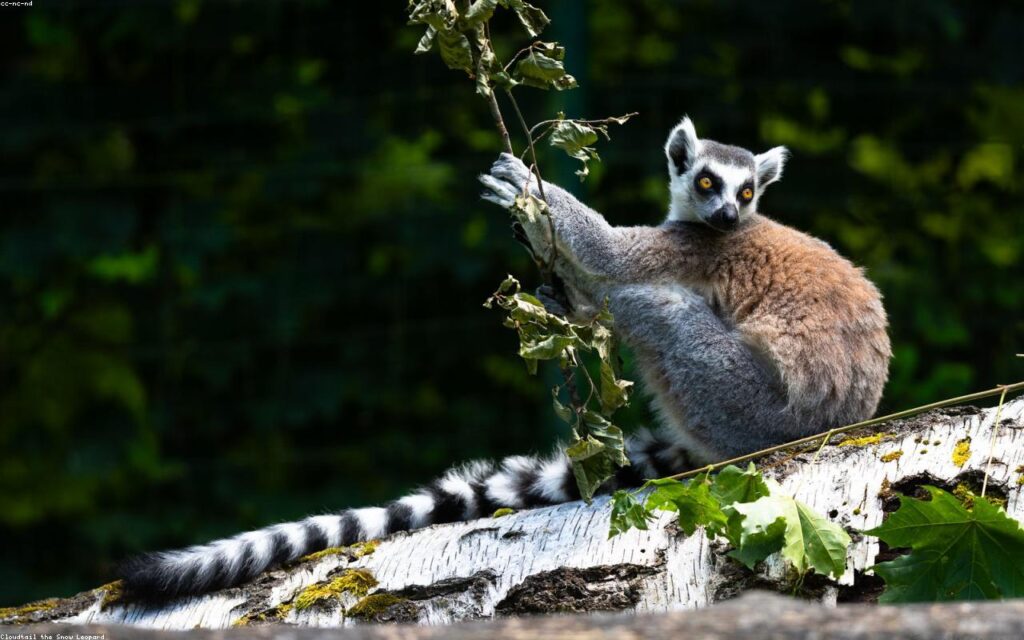
These species are found in eastern and southeastern Madagascar, including the Kianjavato region, which is one of five remaining areas where the greater bamboo lemurs persist.
Habitat
These lemurs depend on Madagascar’s tropical forests, including rainforest corridors, bamboo thickets, and canopy habitats. Healthy forests are essential for feeding, nesting, and movement between populations.
The Wilder Institute took a whole-of-community approach to lemur conservation – recognizing that conserving habitat meant investing in the people who share the ecosystem. We supported reforestation through community-run tree nurseries and funded lemur monitoring alongside University of Calgary researchers. In our final phase, we focused on supporting the organizational capacity of Madagascar Biodiversity Partnership to lead this work independently.
Impact
Over eight years, the Kianjavato initiative helped reconnect fragmented forests and strengthen lemur habitats. The program generated one of the most comprehensive long-term datasets for any lemur species, and created meaningful employment opportunities for more than 100 local women..
Conservation in Kianjavato worked because it worked for people. The program created employment opportunities and gave local communities a direct stake in forest restoration, demonstrating that conservation impact is most effective when it benefits the people living closest to the land.
Livelihoods
More than 100 local women – many of them single mothers – earned income through seed preparation and tree planting at community nurseries, directly linking forest restoration to household stability.
Conservation credits
Community members who participated in reforestation earned Conservation Reward Credits redeemable for sustainable technologies such as solar panels, fuel-efficient stoves, sewing machines, and bicycles. This created lasting benefits alongside conservation work.
Research and monitoring
Local field teams worked alongside University of Calgary graduate students to radio-track lemur populations across three sites, contributing to over a decade of data and at least 10 graduate thesis projects and co-authored publications.
Local outcomes
In the program’s final year, the Wilder Institute recommended and connected two senior MBP staff to the Maliasili Madagascar Environmental Leadership Program and helped resource three new staff positions within MBP focused on community outreach, ecotourism, and communications.
Partners & Collaborators
This initiative would not have been possible without the expertise and commitment of our partners on the ground. Their leadership, local knowledge, and long-term presence in Kianjavato were the foundation on which everything was built.