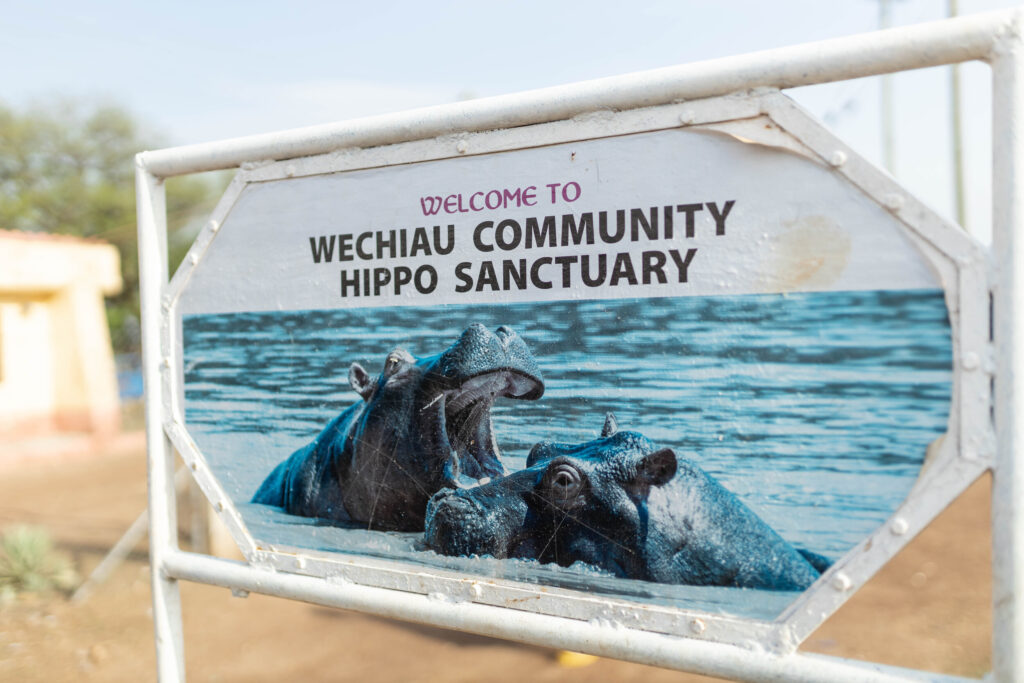
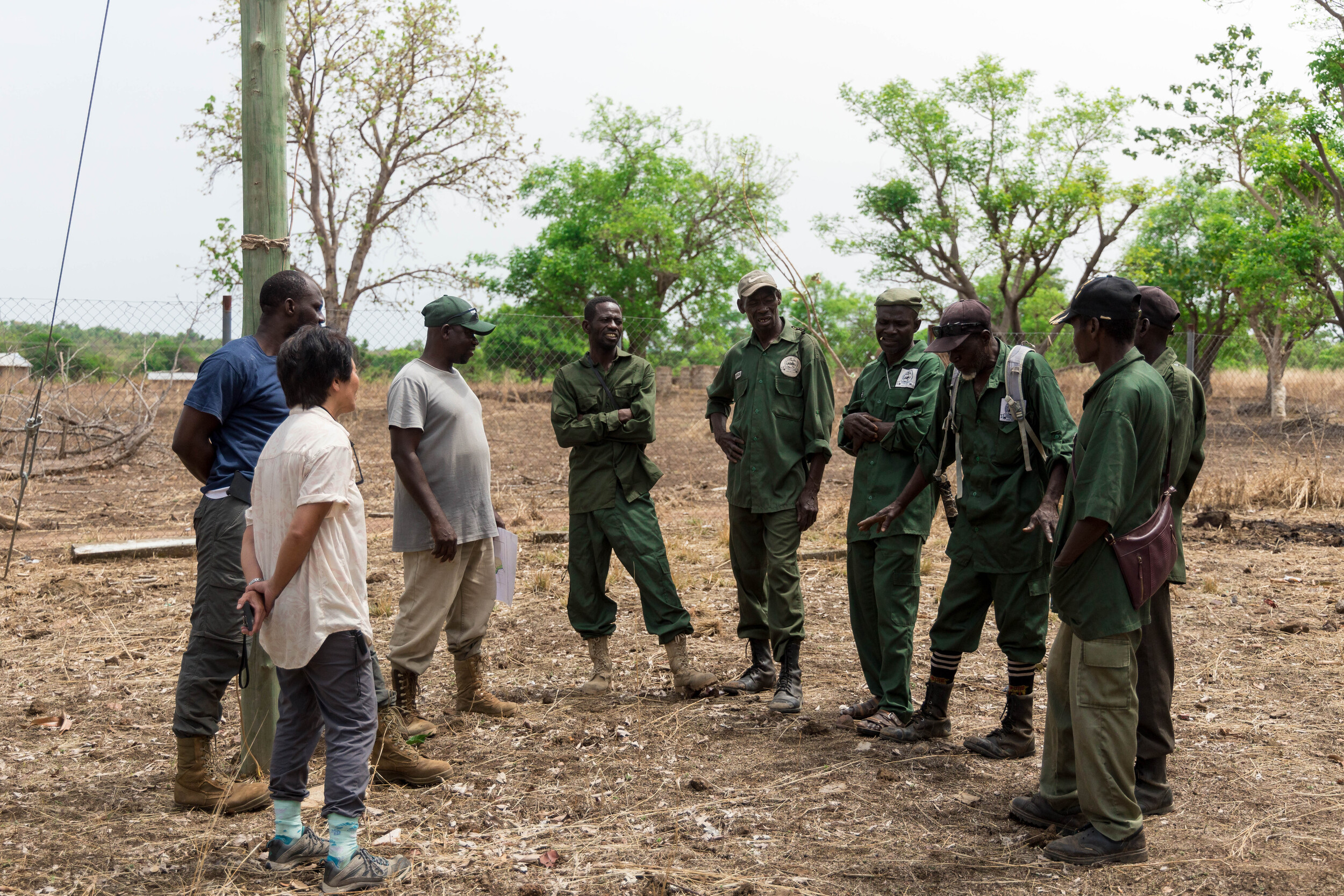
The Wechiau Hippo and Nature Conservation Program is a long-standing model for community conservation success, linking protected area management, species recovery, and local livelihoods in a model that works for people and wildlife alike.
The Wilder Institute has supported the hippo sanctuary since its inception in 1998. Working with the Wechiau Sanctuary Management Board and the Centre for Biodiversity Conservation Research, we protect and monitor hippos and their habitat, support inclusive governance of natural resources, and strengthen livelihood security for the communities that share the landscape with these creatures.
The program operates within the Wechiau Community Sanctuary in Ghana, home to one of the last remaining hippo populations in the country. The sanctuary encompasses the habitat of the approximately 150 hippos remaining in Ghana, and supports 20 communities whose livelihoods are directly connected to this ecosystem.
This program aims to maximize hippo population recovery, reduce the risk of local extinction, and ensure the communities living alongside the sanctuary benefit directly from conservation. By strengthening eco-friendly livelihoods and inclusive natural resource governance, the program builds the social and ecological resilience that long-term conservation depends on.
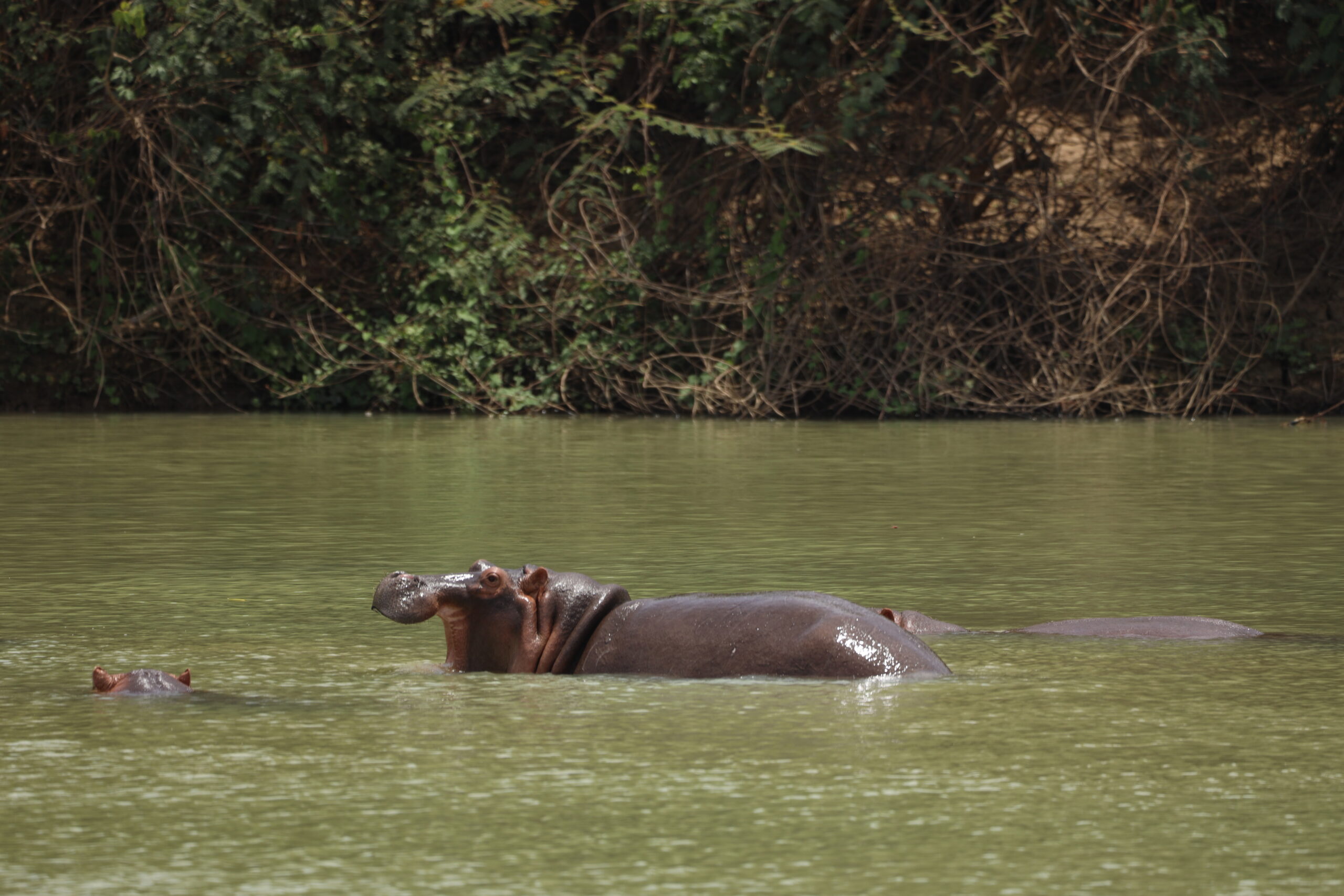
Once abundant across West Africa, hippos are now considered Vulnerable globally. In Ghana, fewer than 150 remain, as habitat fragmentation and human-wildlife conflict have pushed populations to the edge. Without active protection and community buy-in, the species is at risk of continued decline.

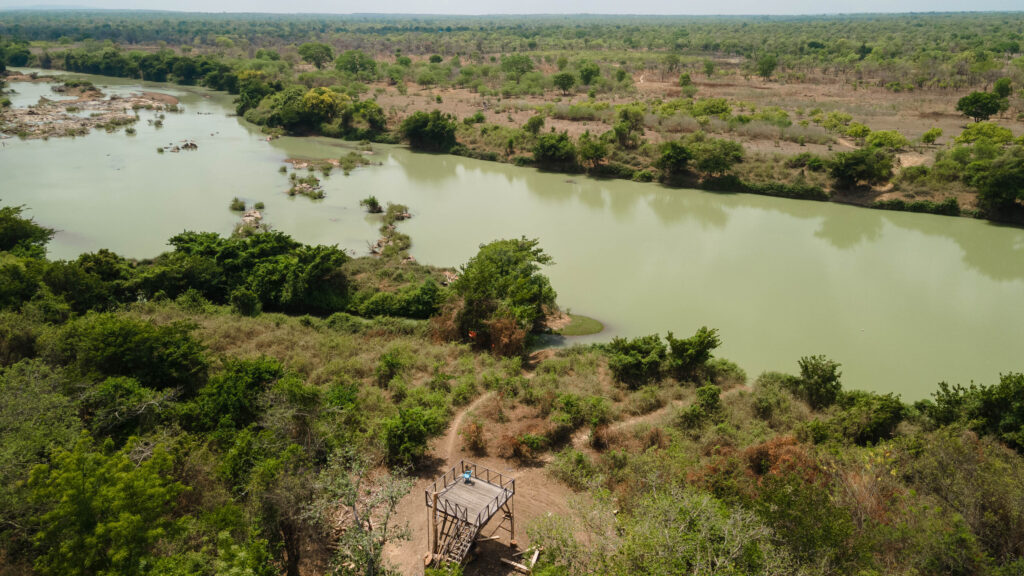
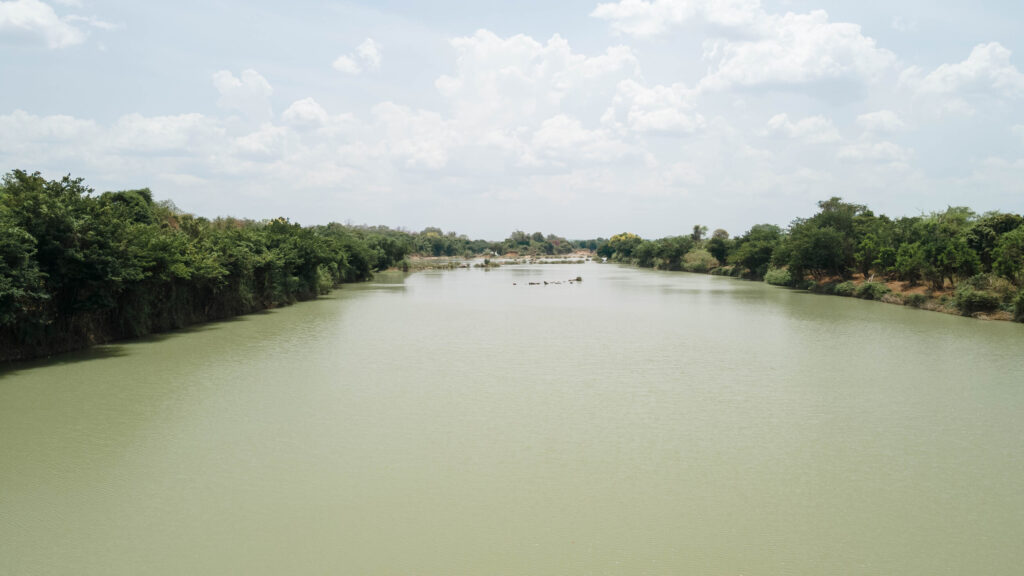
Hippos are found in rivers, lakes, and wetlands throughout the savanna of Africa and the main rivers of Central Africa. Ghana is home to one of the last remaining populations in West Africa. In Ghana, hippos are located in the Upper West Region along the Black Volta stretch which shares borders with Burkina Faso.
Hippos are semi-aquatic animals, spending daylight hours in shallow rivers, lakes, and swamps, and emerging at dusk to graze on surrounding grasslands. They require freshwater bodies deep enough for full submersion, around two metres.
Our approach is built on the understanding that hippo conservation in Wechiau only works if the people living alongside the sanctuary are active partners in it. We combine habitat monitoring, inclusive governance support, and livelihood development to ensure that protecting hippos creates tangible, lasting benefits for the 20 communities in the sanctuary.
Decades of collaborative conservation have stabilized and started to grow the hippo population while creating meaningful economic opportunities for local communities. The sanctuary was recognized with a UN Equator Prize for balancing the socio-economic and ecological needs of the community, resulting in benefits for people and wildlife.
Conservation and community development are intertwined in the Wechiau Hippo and Nature Conservation Program. Every livelihood initiative and governance decision is designed to ensure that local people are the long-term champions of hippo recovery.
An organic shea cooperative employing close to 2,000 local women is the sanctuary’s largest source of income, providing eco-friendly livelihoods that keep conservation economically viable for the community.
In partnership with the Wechiau Sanctuary Management Board and Global Affairs Canada, Wilder Institute collaborates with the Centre for Biodiversity Conservation Research, the Wildlife Division of Ghana’s Forestry Commission, Kanko and ProNet North to integrate scientific monitoring with gender-inclusive local governance and livelihoods to protect hippos and their habitat.
A hippo viewing platform installed with support from the Wilder Institute creates eco-tourism opportunities that generate income for the sanctuary while connecting visitors to one of Ghana’s most important species.
The Wechiau Hippo and Nature Conservation Program is a collective effort built on decades of sustained partnership. Collaboration between local governance structures, conservation researchers, and government agencies is what keeps the program moving forward. This program is funded by the Government of Canada.
Learn more about how we’re building One Wild Future.
West Africa’s hippo populations need sustained support. Here’s how you can help.
Partner with us to support one of West Africa’s most important community conservation programs.